AI: An innovative teacher for London teenagers revising for exams
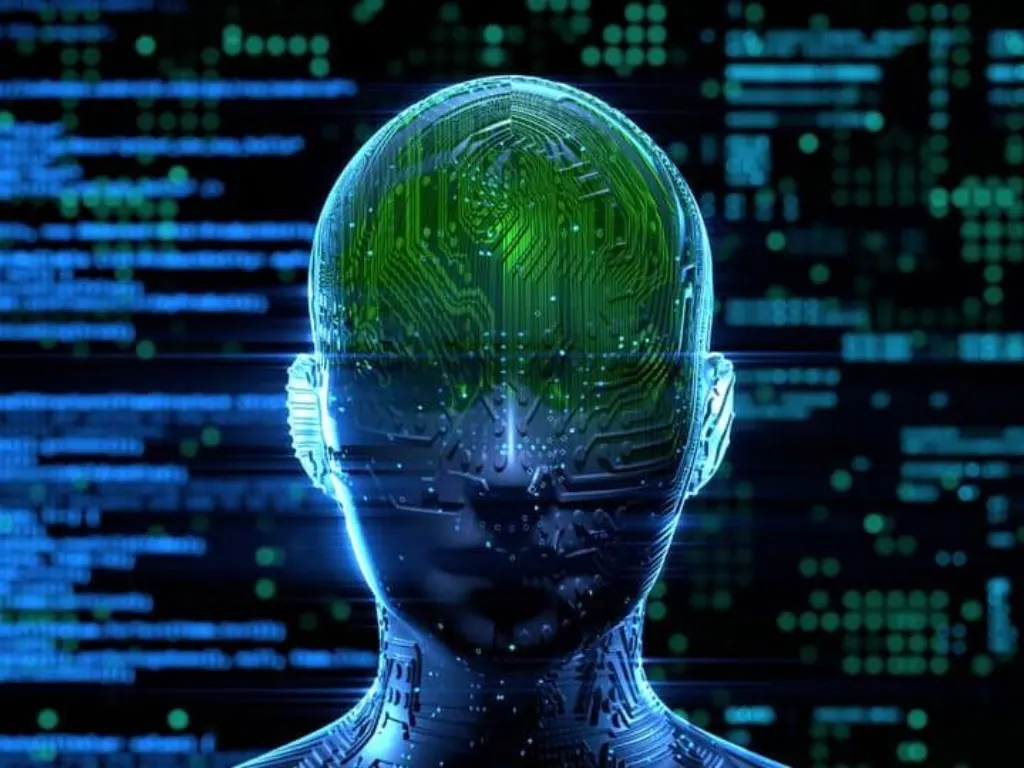
In the context of modern education, the use of**artificial intelligence** to support students is taking on an unprecedented scale. In London, the David Game College launched a bold initiative: integrating theAI in the educational process for students preparing for GCSEs. This exam, similar to the college certificate, now sees its revisions enriched thanks to a personalized learning and optimized by sophisticated algorithms. Teachers are facing a new dynamic, with AI taking a central place in the learning process, thus changing traditional teaching methods.
David Game College, a private college in London, has launched a teaching pilot using artificial intelligence to help teenagers prepare for GCSE exams. This initiative takes place in a context where education is undergoing a major transformation. Indeed, AI is becoming a key player in the development of personalized learning paths, offering innovative solutions to traditional educational challenges.
An educational paradigm shift
In London, David Game College initiated an educational revolution by integrating the**artificial intelligence** as a primary learning tool for students preparing for the GCSE, an exam similar to the secondary school certificate. This project, launched about six months ago, represents a paradigm shift in education, a field that has traditionally relied on direct human interaction. By introducing AI into classrooms, the school aims to adapt education to the demands of the 21st century.
Personalized learning thanks to AI
AI offers many possibilities to personalize the educational journey of students. Automated educational tools make it possible to create tailor-made learning plans, which take into account the strengths and weaknesses of each student. Thus, teachers can rely on these technologies to individualize their interventions and maximize learning effectiveness. Using advanced algorithms, AI can quickly identify areas that need additional support or deep dives.
Impact on teachers and students
Although the**artificial intelligence** raises questions about the future of the role of teachers, it also represents a valuable tool in their daily work. Education apps make it possible to make specific recommendations based on student progress. Thus, teachers, with more time and data, can dedicate their efforts to the personal and emotional support of students, strengthening the effectiveness of teaching while promoting a climate conducive to learning.
For students, AI-assisted learning can be particularly beneficial. AI’s ability to generate ideas (brainstorming) and provide information quickly makes it a great ally for teenagers preparing for exams. A recent study in the United States found that more than half of young people use AI to get information and find new ideas, demonstrating a step change in the way they access and absorb knowledge.
A promising but delicate future
The advances in AI in education are not without their challenges. While AI’s effectiveness in quickly identifying students’ needs is undeniable, educators must still ensure that human interaction remains essential for the overall development of adolescents. The challenge lies in finding the balance between the use of AI and the relational aspects that constitute the core of the educational role. The experiment conducted by David Game College in London is emblematic of a profound change in teaching methods. In a world where technology occupies a central place, the inclusion of artificial intelligence in the educational process paves the way for a reinvention of teaching practices, thus creating new opportunities for future generations.
Notez cet article
Read next
 AI news
Artificial intelligence: when a fake Christmas market in London fools tourists
Social media can sometimes present deceptive illusions created by . In London, a striking example illustrates how…
 AI news
Virtual Companions: Troubling Allies for Teenagers
The rapid development of has led to the emergence of virtual companions, which play an increasing role in the daily…
 AI news
NGO concerned about growing use of AI companions by teenagers
The use of AI companions is becoming increasingly common among adolescents, raising concerns among some non…
 AI news
China Bans Use of Artificial Intelligence During Baccalaureate Exams: Should France Consider a Similar Measure?
In a bid to preserve exam integrity, China recently announced a ban on the use of during the famous gaokao. This bold…