AI: An Invisible Influence on Our Daily Lives
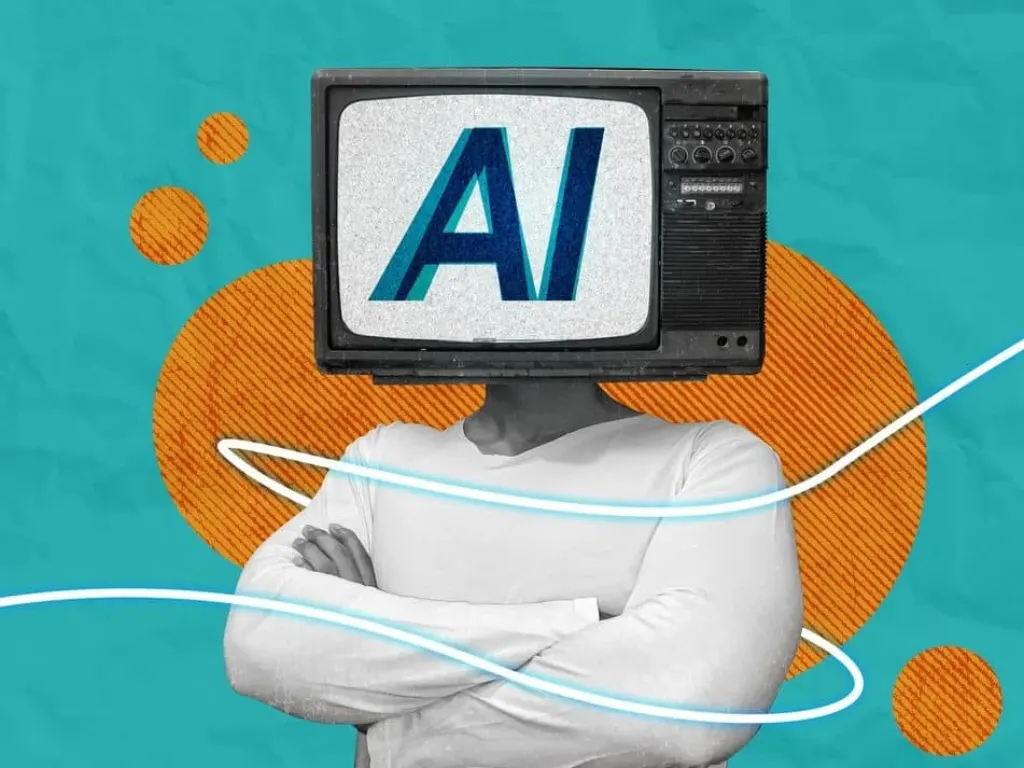
AI, this silent force that infiltrates the interstices of our daily lives, is already redefining our experiences without us even being aware of it.
From voice assistants that anticipate our needs to algorithms that sort our preferences, artificial intelligence is shaping our world in insidious but decisive ways. Every aspect of our lives is now influenced by these technologies, often without us being aware of it. Could it be that behind this digital magic lies a much deeper power of influence than it seems?
In a world where technology evolves at lightning speed,artificial intelligence discreetly implants itself in our daily lives, transforming our interactions, our choices, and even our way of thinking. This often imperceptible phenomenon raises crucial questions about the impact of AI on our lives and how it shapes our future. Taking a closer look at this invisible influence, it becomes clear that AI is not just a tool, but a force that is redefining the rules of the game.
How AI fits into our daily lives
The presence of AI in our lives is mainly manifested through daily services. From streaming platforms that recommend series based on our preferences, to voice assistants that interpret our requests, every interaction with these systems relies on sophisticated algorithms designed to mimic human understanding. Imagine your online shopping: AI analyzes your history and suggests items you might not have found otherwise. This is the magic of personalized recommendations, which, although practical, questions our freedom of choice.
The benefits of this technology in our lives
AI presents a multitude of benefits that make our daily lives more fluid and efficient. Thanks to theAI, mundane tasks like managing our appointments or planning our journeys become significantly simpler. For example, you can receive a reminder to collect your laundry or find your car in a parking lot. These improvements are the result of a seamless integration of AI in our routines, making certain activities almost invisible, yet essential. Additionally, studies show that AI in healthcare could even improve diagnosis and treatment of patients, thus proving its positive impact.
The Shadows of AI: Insidious Surveillance
However, behind this apparent usefulness lies a less glamorous side. The growing adoption ofAI raises legitimate concerns about our private life and data security. Every online interaction leaves traces, allowing algorithms to learn and influence our behavior. Whether through targeted ads on social media or eavesdropping on conversations, we often become unwitting pioneers of this digital surveillance. In addition, these technologies can strengthen bias already existing, contributing to a more divided society.
Transparent artificial intelligence: the future of regulation
Faced with the risks associated with this growing technology, it becomes crucial to implement effective regulations to regulate its use. Governments and institutions must ensure the use ethics of AI, ensuring that these innovations actually serve humanity rather than enslave it. Transparency in the operation of algorithms is a necessity to avoid abuse and protect our autonomy. Initiatives are starting to emerge, but it is imperative that we join forces to adjust these regulations in the face of rapid technological developments.
The psychological implications of AI in our lives
Beyond the technical and ethical aspects, AI also has an impact on our psychology. The increasing dependence on these technologies can lead to an alteration of our human interactions. With apps like digital avatars and virtual assistants, the line between human and machine is becoming increasingly blurred. Young people, in particular, often find themselves favoring online relationships over face-to-face interactions. This phenomenon raises questions about the future of communication human nature and the evolution of our social behavior.
AI and the transformation of our perception
Finally, we must take into account how theAI changes the way we perceive the world. By enriching our experience with augmented reality, it modifies our interpretation of reality. THE smart glasses, for example, provide real-time assistance, making us more informed users, but also more manipulable. Therefore, it is necessary to remain critical of these innovations, because they not only shape ourphysical environment, but also our critical thinking and our understanding of the world around us.
In this technological age, it is therefore vital to carefully navigate our interaction with artificial intelligence, to ensure that it remains an ally in our daily lives rather than an insidious predator.
Notez cet article
Read next
Alexa+ arrives in France: is the revolutionary artificial intelligence ready to transform our daily lives?
The arrival of Alexa+ in France marks a new stage in the integration of into our homes. By combining the latest…
 AI news
The revolutionary impact of artificial intelligence on our daily lives
As gradually permeates various aspects of our lives, its revolutionary impact is becoming increasingly evident. Recent…
 AI news
Revealing figures on the integration of artificial intelligence into our daily lives
With the rise of , this technology, although recent, is becoming increasingly integrated into our daily lives.…
 AI news
Embodied AI: How artificial intelligence fits into our daily lives
In a constantly evolving world, embodied AI is emerging as a true technological revolution, redefining our daily…