AI and the art of tattooing: A loss of authenticity?
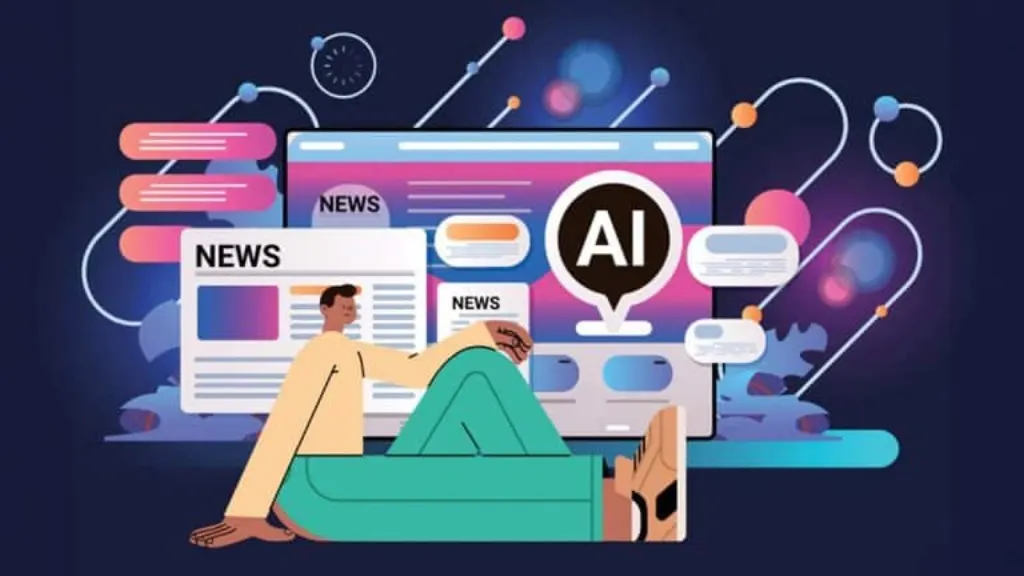
The emergence of**artificial intelligence** in the field of tattoo raises legitimate questions about the future of this body art. When a customer discovers that their next ink was born from a machine rather than an artist, the line between creativity and lack of authenticity becomes blurry. This technological revolution, although it promises unparalleled creativity, risks transforming each tattoo into a simple imitation devoid of soul. Faced with such developments, is authenticity, this precious element that makes the art of tattooing vibrate, doomed to disappear?
Technology is seeping into every aspect of our lives, including the world of tattooing. The use of artificial intelligence to create tattoo designs is sparking heated discussions. Some see it as an incredible breakthrough, while others worry about the loss ofauthenticity and of human connection. So, is AI destroying the very essence of this ancestral body art?
Remote creation
Imagine yourself in a tattoo studio, eager to see the creation of a design that symbolizes you. But there you go, your artist used a AI to create your design. How do you react? For many, this use of the machine makes them feel lack of depth and emotion in the work. This raises the question: is it ethical to entrust the creation of such a personal work to a machine ?
The shock of authenticity
Stories like that of Kaarina Vuorinen, a tattoo enthusiast, show how sessions can turn into disillusionment. When she discovered that her massive leg piece had been generated by an AI, the word « disappointment » immediately came to mind. Although the art is visually appealing, the feeling of lack of soul is omnipresent. These experiences lead us to question the value of works which do not have an emotional hybrid but are simply the fruit of the algorithm.
Art on steroids
The analogy used by some tattoo artists compares the use of AI to that of steroids in sports. Matt Doherty, a committed tattoo artist, says AI is jeopardizingauthenticity tattoo. By using image generators which are inspired by or copy already existing works, it is legitimate to ask what credit can be given to these creations.
A question of originality
On the other hand, we shouldn’t overlook the challenges of a tattoo artist like Matthew Hatch, who sees a client arrive with an AI-generated image of a galaxy. An impressive visual style on screen which, once transferred to the skin, could be much less flattering. These cases illustrate the boundaries designs generated by algorithms, and by extension, risk of losing originality in the world of tattooing.
An emotion to preserve
Tattooing is an art that goes beyond aesthetics; it is versatile and personal. Each ink on the skin tells a unique story. When exploring the idea of a design produced by a artificial intelligence, this raises a crucial question: what place is left foremotion and personal reflection? Tattoo aficionados often seek to immortalize significant moments, a connection that seems to dissipate when the process becomes mechanical.
In this universe where AI threatens to encroach on an art that is intrinsically human, we cannot help but wonder if it does not risk transforming each piece into a simple product, stripped of its magic. How can we navigate these new waters with dignity? Can authenticity really survive the rise of AI in tattooing?
Notez cet article
Read next
 AI news
AI blamed for the loss of 55,000 jobs by 2025
Alarm bells are ringing as AI is identified as responsible for the elimination of 55,000 jobs by 2025. Experts, who…
 AI news
Precipitous stock market plunge: AI causes a $1 trillion loss for tech giants
Tech giants are facing a turbulent recession, marked by a precipitous drop in the market capitalization of companies…
 AI news
The growing importance of authenticity in the face of the overabundance of standardized content
In a digital world rife with mass produced, standardized content, the demand for authenticity is becoming crucial. The…
 AI news
Fitness influencer or Chinese sage: the shadow of artificial intelligence on authenticity
As fitness influencers like Aitana Lopez captivate hundreds of thousands of social media followers with carefully…