AI begins to check tweets: a reality reminiscent of an episode of Black Mirror
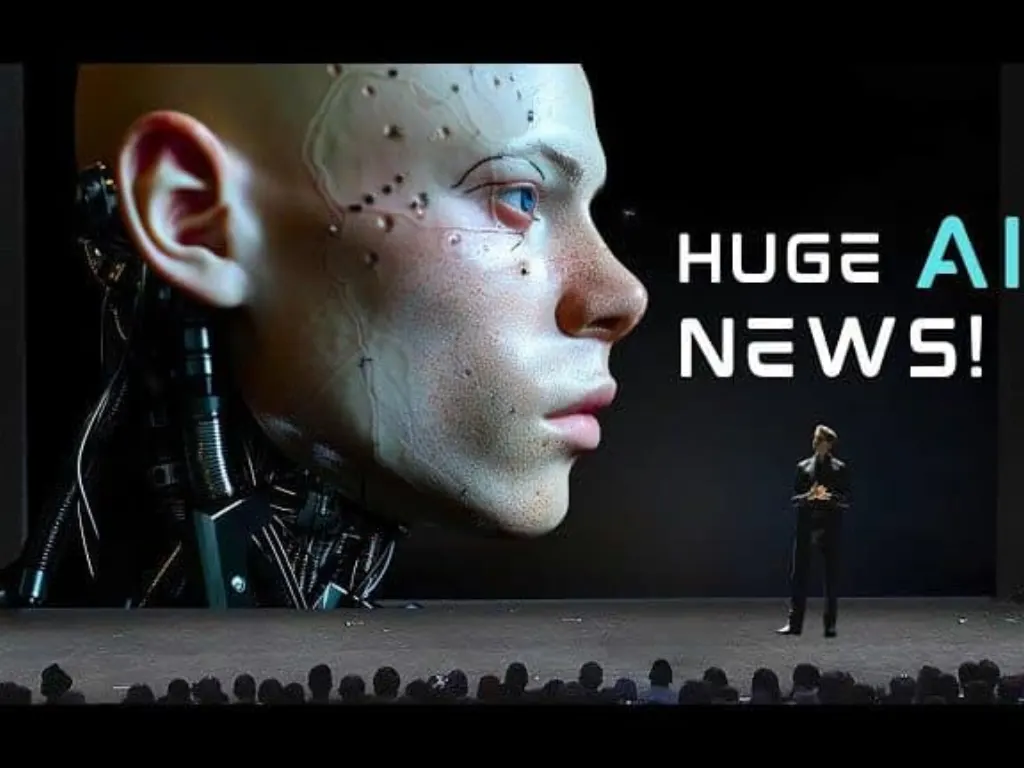
Imagine a world where artificial intelligence takes over to verify the veracity of tweets, like in an episode of Black Mirror. This is now a reality with platform X, which has decided to use bots to tackle misinformation. By merging technology and everyday life, this development raises many questions about our trust in machines and the very nature of truth in the digital age. We have reached a fascinating and troubling turning point in our relationship with information. A social media platform has decided to turn to artificial intelligence to combat misinformation by verifying tweets. By adding a layer of automated verification, the bots are entrusted with a vital task that could well evoke dystopian scenarios à la Black Mirror. In this article, we will explore how this initiative could transform the way we consume information and the implications that follow. Community Notes Written by BotsThe feature that’s causing a stir is the introduction of « community notes » written by algorithms. These short explanatory texts are added to tweets to provide context and verify viral content. But who can guarantee that these notes are reliable? Currently, writing these notes was reserved for humans, but the platform is now testing automated solutions. Developers can submit their bots for testing to determine their ability to fulfill this crucial mission. Fact-checking and Human Intervention If AI has the potential to accelerate fact-checking, there remains one fundamental aspect that cannot be overlooked: the final word always belongs to humans. Before bot-written notes are published, they must pass through a panel of human users, ensuring that judgments are informed and that a certain diversity of opinions is respected. This process aims to prevent errors from slipping through the net of verification. But can we fully rely on this filter? The race against the virality of fake newsWith the rise of social media,
information circulates faster than ever, but this poses a real challenge when it comes to countering the virality of fake news . Humans alone, even if they are skilled, cannot produce hundreds of explanatory notes daily, especially during peak news events. Automation therefore has its appeal, but it also raises concerns about the quantity of content produced, which risks diluting the quality of verification. The Limits of Artificial Intelligence It’s undeniable that AI offers impressive speed in detecting fake news, but it has its flaws. AI models aren’t perfect—they can make misinterpretations, create factual hallucinations, or misunderstand the tone of a tweet. Hence the importance of maintaining human review to correct potential errors that could creep into the notes. This duality between humans and algorithms raises the crucial question: are we ready to relinquish some of our vigilance to robots? A worrying precedentIt’s no surprise that other platforms like Reddit, Facebook, and TikTok have already attempted similar community verification initiatives. However, entrusting this task entirely to an AI is a first. Reaction to this development has been mixed, especially considering that Elon Musk himself has expressed reservations about this verification system, particularly when it is contradicted by bot-generated ratings. This prompts us to reflect on the potential opacity and manipulation behind algorithm-generated ratings.
A Question of Trust
The question remains: can we really trust bots to monitor the truth? As platform X prepares to roll out this feature soon, it becomes imperative to debate this topic. In conclusion, the possibility of AIs writing community ratings raises an ethical and practical dilemma. Would it be wise to entrust such responsibility to machines? What are your thoughts? We welcome your thoughts in the comments!
Notez cet article
Read next
 AI news
ChatGPT, Gemini or Perplexity: which AI should you choose to optimize your Black Friday shopping?
Black Friday is fast approaching, and with it, the opportunity to find the best deals. But with the proliferation of AI
 AI news
ChatGPT Shopping Research: your AI assistant to find the best prices before Black Friday
With Black Friday just around the corner, it’s crucial not to get lost in the sea of deals flooding the market.…
 AI news
Episode 9/9: Japan faces the challenges of artificial intelligence
Faced with the global digital transformation, Japan finds itself in a position where innovation is essential to remain…
 AI news
Check ChatGPT status: what to do if there is a problem?
When ChatGPT stops responding, the instinct may be to panic. However, this moment of uncertainty is an opportunity to…