“AI in the Classroom: An Early Change for Teachers in the United States”
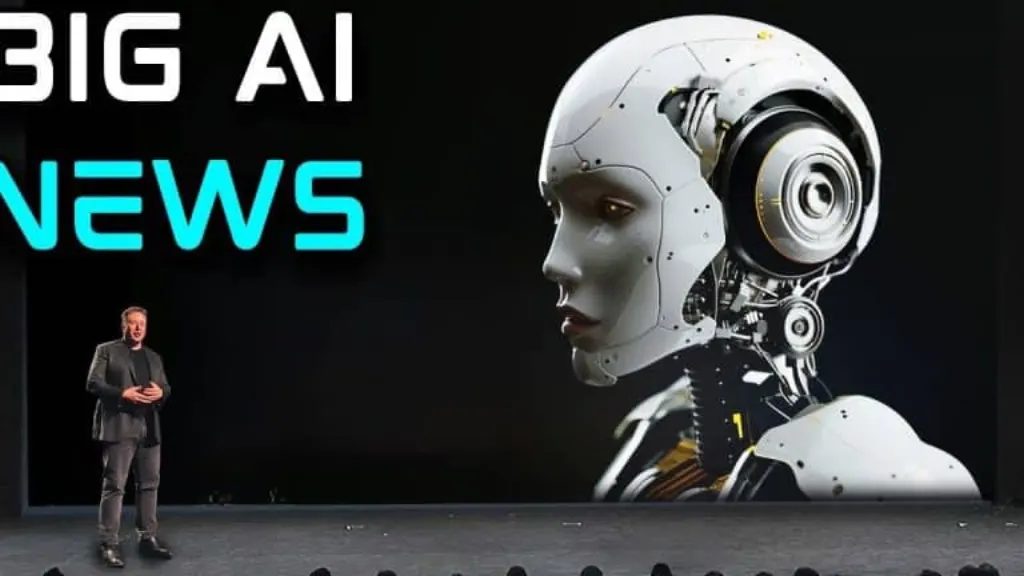
In September 2025, traditional education in the United States is poised for a radical transformation with the introduction of**artificial intelligence** in classrooms. At a school in Phoenix, Arizona, AI will replace traditional teachers, providing personalized learning based on students’ pace and level. This initiative, although pioneering, gives rise to reflections and concerns among the experts: if on the one hand, it promises to optimize thelearning and save on costs, on the other, it calls into question the essential role of teachers in the educational and social development of younger generations.
The introduction of the**Artificial intelligence** (AI) in classrooms represents a potential revolution for the education system in the United States. With projects like Unbound Academy in Arizona planned for 2025, AI could disrupt the traditional role of teachers. This change provokes mixed reactions, mixing enthusiasm and concerns. In this article, we explore the different aspects of this crucial issue.
The Unbound Academy Project
L' » Unbound Academy » in Phoenix, Arizona, is at the heart of this innovative experiment. In September 2025, this establishment plans to exclusively use a single AI as a teacher for approximately 250 students. The goal is to personalize thelearning according to the pace and individual abilities of each student.
How AI works in the classroom
The Academy has chosen to ally itself with companies of learning resources online, such asIXL And Khan Academy. The AI develops a program based on the analysis of student responses and adjusts the content accordingly. This approach aims to optimize learning, avoiding the boredom or frustration often associated with traditional teaching methods.
Reactions and Doubts from Experts
Faced with this progress, opinions are divided. The experts in education express concerns about the potential removal of core teacher roles and the ethical implications this could bring. Stuart J. Russell, for example, highlights that theAI cannot replicate the essential human interaction that actually promotes learning.
Benefits and Challenges
Adopting AI in education comes with notable benefits, such asempowerment students and the personalization of their educational journey. However, this also raises challenges, particularly regarding the reliability of AI systems and their economic impact on teacher salaries.
Future Perspectives for Education
L’integration of AI in the classroom prompts a rethinking of the role of teachers and technologies in education. A balanced approach could see teachers working in tandem with AI, employing it to manage repetitive tasks and focus their energy on students’ emotional and social learning.
AI as a Complementary Tool
Rather than replacement, using AI as a complementary tool could enrich the educational landscape. Teachers could thus create programs personalized, freeing up time for more meaningful exchanges and adapted to the specific needs of students.
Necessary Limits and Guidelines
It is crucial to establish clear boundaries in the use of AI in classrooms. Certain recommendations, such as setting a minimum age for their use at 13, aim to protect children while exploiting the strong technological potential of AI.
Notez cet article
Read next
Europe is ahead of the United States and China in the race to adopt artificial intelligence
By 2025, a Microsoft report highlights Europe’s significant advance in , surpassing the United States and China in the…
 AI news
The Golden Age Rediscovered: San Francisco, From Fallen City to Radiant Capital of Technological Innovation in the United States
San Francisco, once a fallen city , has risen from the ashes to become a radiant capital of technological innovation .…
 AI news
Artificial intelligence: China is accelerating its efforts to compete with the United States in the race for supremacy.
In a new kind of strategic battle, China is intensifying its efforts to match the United States in the fields of and…
 AI news
ASML: The European gem coveted by China and the United States in the race for artificial intelligence
Unknown to the general public, the Dutch manufacturer ASML is establishing itself as a key player in the global race…