AI’s Digital Waste: Understanding the Impact of Polluting Content on Your Social Media
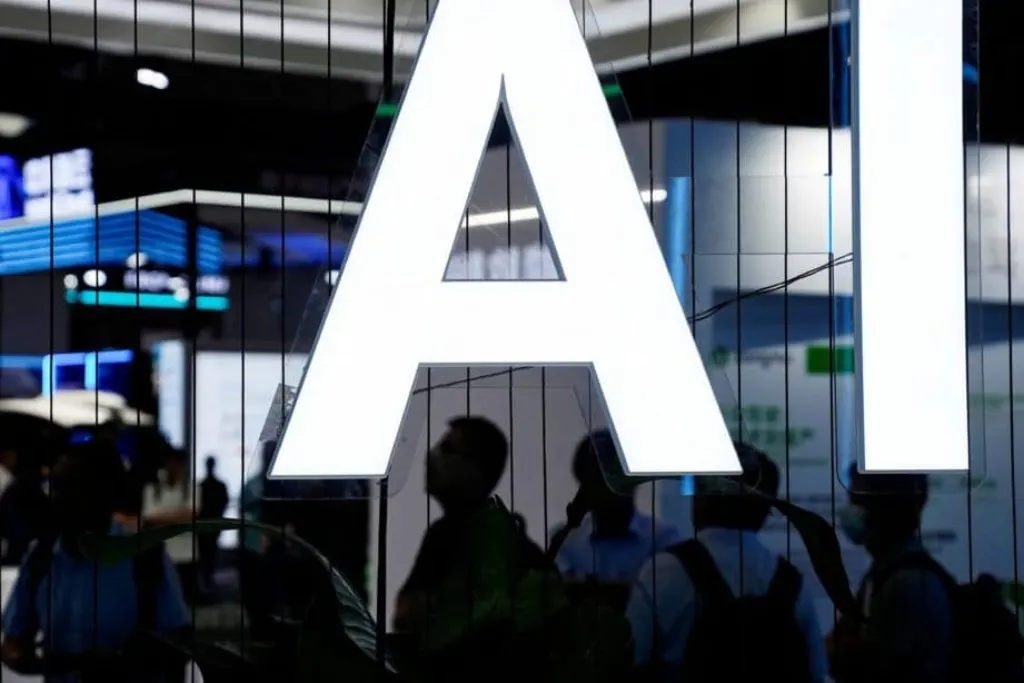
In a world where artificial intelligence plays a leading role, it is crucial to address the issue of digital waste. This polluting AI-generated content, such as insubstantial text, images, and videos, is invading our social media and creating a veritable chaos. Rather than enriching our online experience, it fuels misinformation and degrades the quality of interactions, transforming our news feeds into an overwhelming and misleading cacophony. Understanding this impact is essential for navigating an increasingly complex digital landscape. In a world where the explosion of artificial intelligence technologies is changing our relationship with information, AI-generated digital waste represents a major challenge for social media users. This content, often without added value, is designed to capture attention, but it degrades the online experience and fuels misinformation. This article examines the scope of the problem, the consequences for users, and potential solutions to stem this digital pollution.AI Slop: A Worrying Reality In a rapidly changing digital ecosystem, the emergence of AI Slop—the term for texts, images, and videos generated by AI—is alarming. This often absurd or misleading content is becoming veritable clickbait. Social media recommendation algorithms encourage its spread, pushing users to interact without even questioning the veracity of what they are consuming. Engagement Bait At a time when the race for attention is raging on platforms, AI Slop is transforming into a formidable engagement bait. For a paltry cost of €10, anyone can create content aimed at amassing thousands of likes and comments. Whether on LinkedIn , where nearly 50% of long-form posts are machine-generated, or on Facebook, where bizarre images capture the eye, the strategy remains the same: maximize engagement at the expense of quality. Disinformation and Deepfakes: A Slippery Slope The problem is amplified when we consider the impact of AI Slop on democracy. Deepfakes, these doctored videos that imitate real people, are increasingly used to convey false narratives, particularly in the run-up to sensitive elections. Researchers have reported the growing use of bots to spread biased content, making it more difficult for citizens to deal with disinformation.
A Degraded User Experience **Another deleterious effect of this digital pollution lies in the en-shittification of the web, a term that highlights the transformation of platforms into places of discontent. With a constant stream of AI slop, authentic content is drowned out by algorithmic noise, contributing to a hostile and polarized environment. Users, overwhelmed by this tide, often gravitate toward fallback communities, missing out on truly enriching exchanges.**Platforms Face a Dilemma
Digital giants like Meta are well aware of the problem but are struggling to provide effective solutions. While AI-generated accounts are deleted after scandals, algorithms continue to propagate this type of content. Initiatives such as post labeling or deepfake detection remain tentative and delayed, making it difficult to return to a quality online experience.
Rethinking Our Information Consumption Faced with these challenges, it is crucial to rethink how we consume information on social media. As users, we have a responsibility to question the origins of the content we encounter and to adopt a critical attitude. Articles such as those available on Intelligent Systems: The Key to the Future
or
AI, an Unsuspected Threat to Our Planet and Its Ecosystems can shed light on these issues.
/les-systemes-intelligents-la-cle-de-lavenir/ /lia-une-menace-insoupconnee-pour-notre-planete-et-ses-ecosystemes/
Notez cet article
Read next
 AI news
The impact of artificial intelligence on the future of digital media
The impact of technologies on the future of digital media lies at the heart of a fundamental and unprecedented…
Virtual monks, created by artificial intelligence, offer spiritual advice on social media.
In the digital age, the use of to create virtual characters is booming. Among these creations, virtual monks are…
 AI news
Farmers’ anger hijacked: how deepfakes fuel fake videos on social media
Since December 12, farmers’ anger has intensified, creating fertile ground for the spread of misleading content on…
 AI news
2026 Guide: Selecting the ideal AI image generator to boost your social media
In a constantly evolving digital world, where images reign supreme on social media, having the right tools at your…