Artificial Intelligence: A Tool to Free the Memories of Colonialism?
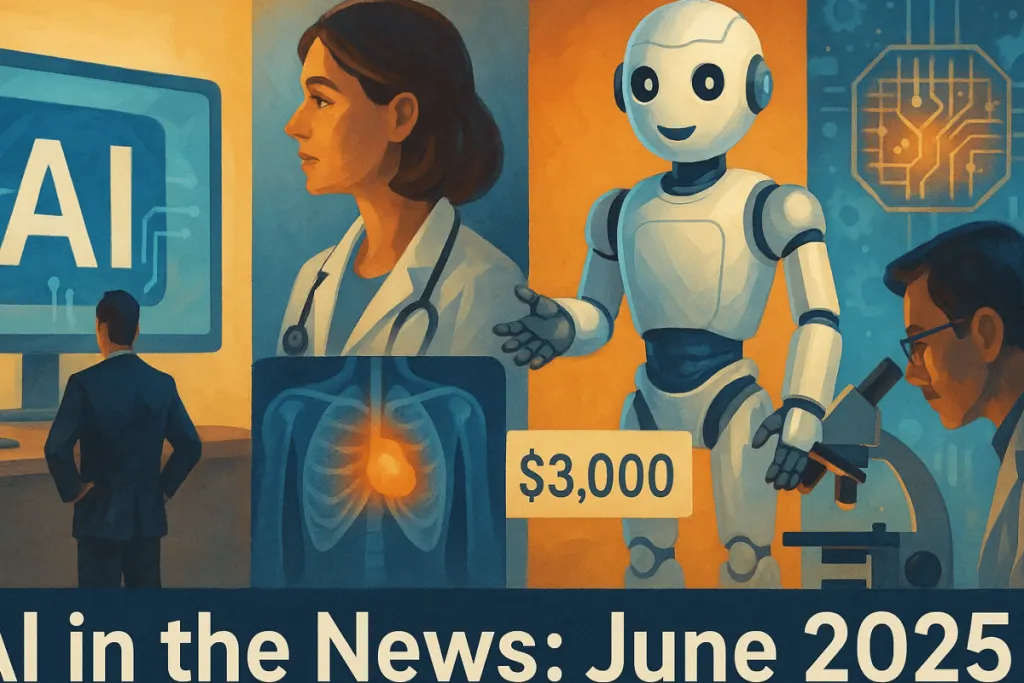
Artificial intelligence is emerging as a powerful tool for reimagining and liberating memories of colonialism. Using advanced algorithms, artists are creating images that fill in the gaps left by colonial history. By carefully manipulating algorithmic biases, these creators invite us to rediscover forgotten narratives, while questioning the very notion of an archive and how we conceive of our collective past. Thus, AI becomes not only a creative technique, but also a means to provoke reflection on memories and enrich the collective imagination through art. The integration of artificial intelligence into the art-making process opens new perspectives for revisiting and reinterpreting colonial history. This essay examines how contemporary artists are using AI to challenge traditional narratives and fill in the gaps in the historical record, particularly by addressing racist biases and missing representations. An Artistic Exploration of Repressed MemoriesSeveral artists are exploring the possibilities offered by AI to revive the erased memories of colonial history. Through algorithmically generated visual creations, they are forging new archives by presenting imaginary yet poignantly realistic scenes. Works such as « The Wedding » from Mayara Ferrão’s « Album of Unforgetting » illustrate this phenomenon, depicting Black and Indigenous women capturing their emancipation during the dark ages of slavery and colonization. Redefining the Archive in the Digital AgeThe use of AI challenges our traditional understanding of the notion of the archive
The images generated by these technologies have the potential to cast doubt on the viewer, leading them to reflect on the veracity and value of the preserved history. The lack of an explanatory context could mislead them into believing they have discovered ancient documents, even though they are purely fictional, sparking a debate on the boundary between artistic creation and historical documentation.Combating Algorithmic Bias One of the major challenges facing artists working with AI lies inreducing the racist biasesinherent in the databases powering these technologies. These biases can restrict the diversity of representations and perpetuate existing prejudices. Creators, such as Mayara Ferrão, are adopting disruptive approaches to circumvent these limitations, using unforeseen queries to transform algorithms into tools for emancipation and historical reappropriation. Creating New Memories
By harnessing AI to imagine scenes and experiences that have never been documented, artists are providing a platform to express the stories of minorities and underrepresented groups. As Brazilian author Fernanda Silva e Sousa explains, creating new memories allows us to « unforget » these significant moments and integrate them into a new collective memory. These initiatives highlight the power of imagination as a driving force for the recognition and promotion of long-ignored cultural heritage.
Notez cet article
Read next
 AI news
Discover this revolutionary tool to create free and unlimited AI images: a real favorite!
Are you ready to revolutionize the way you create pictures ? Check out this revolutionary tool which allows you to…
Let’s not give up on AI: for a shared artificial intelligence, free from monopolies and rooted in local and modest dynamics.
The need to reconsider our approach to is becoming increasingly urgent. Rather than falling into the trap of…
ChatGPT: Has the free version become obsolete in light of the new paid features?
The recent introduction of advertisements in the free version of ChatGPT raises the crucial question of its relevance. A
Kimi k2.5: the free open-source AI that rivals ChatGPT and Claude 4.5
Welcome to the future of with Kimi k2.5, the free open source AI poised to revolutionize the tech landscape. Designed…