Artificial intelligence will not supplant translators: deciphering the realities of the sector

Contents5
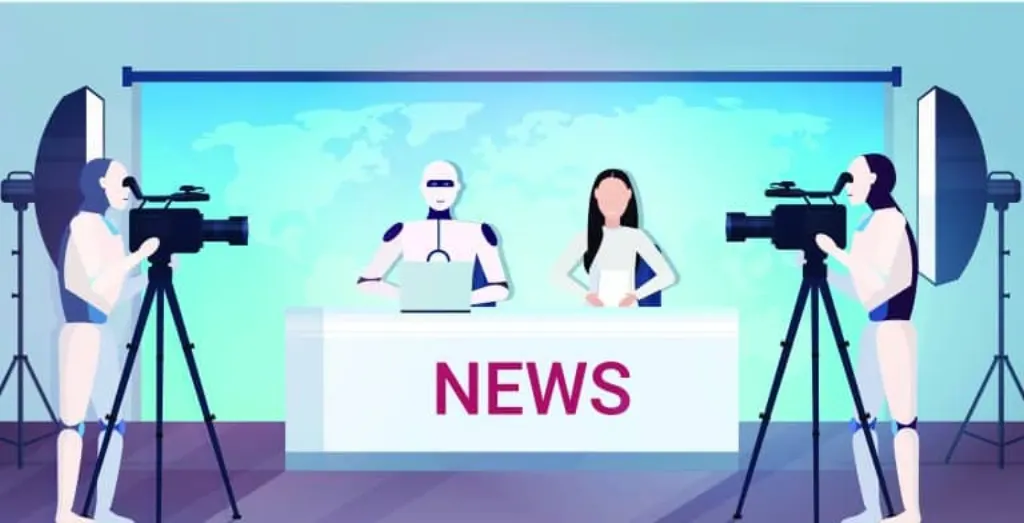
The emergence of**artificial intelligence** in the field of translation has raised many questions about the future of translators professionals. Contrary to fears, AI does not threaten to replace these linguistic experts, but rather to assist them in their work. The importance of human intervention remains essential, especially in contexts where subtlety and nuance are crucial. Let’s take a detailed look at the impact and limitations of AI in this sector.

In this article, we will examine why artificial intelligence (AI) will not replace human translators, exploring the current technological limitations of AI, the importance of contextualization and cultural sensitivity in translation, as well as as the undeniable advantages that translation professionals bring to the sector.
The current technological limits of AI
Despite impressive advances in the field of AI, particularly with models like ChatGPT, machine translation still faces various limitations. AI tools are capable of processing large volumes of text quickly, but they often lack contextual accuracy. Machine translation systems can produce grammatically correct results, but they struggle to capture the nuances and subtleties of human language. As a result, errors, even minor ones, can significantly alter the meaning of a text.
The importance of contextualization and cultural sensitivity
A crucial aspect that AI fails to master is contextualization and cultural sensitivity. Human translators are able to understand the historical, social and cultural contexts that influence the choice of words and expressions. Simple translation errors can lead to serious misunderstandings, particularly in sensitive areas such as law or international relations. The ability of translators to interpret and adapt the message according to the target audience is an asset that machines cannot match.
The unique contribution of translation professionals
Professional translators provide invaluable added value that AI cannot provide. They offer in-depth expertise in various specialist fields, whether medicine, law or literature. Their academic training and practical experience allow them to produce translations that are not only correct, but also elegant and appropriate. AI, even with advanced algorithms, does not possess this capacity for expert judgment and stylistic finesse.
The complementary role of AI in translation
It would be simplistic to consider AI as a threat to professionals in the sector. Rather, AI can act as a complementary tool, increasing efficiency and productivity. Translators can use AI tools to perform repetitive and time-consuming tasks, allowing them to focus on more complex and creative aspects of their work. By using AI as an assistant rather than a replacement, translators can deliver higher quality services while working faster.
Publishing translation in the face of AI: reflection is necessary
In the field of publishing translation, the challenges are even more pronounced. Translating a literary text requires a deep understanding of the original work, as well as an ability to recreate its style, tone and atmosphere in another language. These artistic skills far exceed the current capabilities of AI. Literary translators don’t just translate words; they translate emotions, moods and intentions, essential elements to respect the author’s vision.

Notez cet article
Read next
The AI bubble will burst in 2026: Myths and realities to debunk
At the heart of heated economic debates, the bursting of the AI bubble in 2026 is generating a lot of discussion.…
 AI news
AI, Blue Owl, Oracle: Deciphering the warning signs
Recent events in the financial markets raise crucial questions about the future of the ecosystem. Indeed, despite the…
 AI news
McKinsey State of AI 2025: Three years after the revolution, a nuanced assessment between promises and realities
How is AI faring three years after the revolution? McKinsey, in its State of AI 2025 report, sheds light on this…
 AI news
Artificial intelligence: deciphering the European legal framework with the new AI Act
is revolutionizing numerous sectors, from healthcare and finance to transportation and industry. However, this powerful…