BrainOS: Artificial Intelligence That Transforms Robots into Intelligent Beings
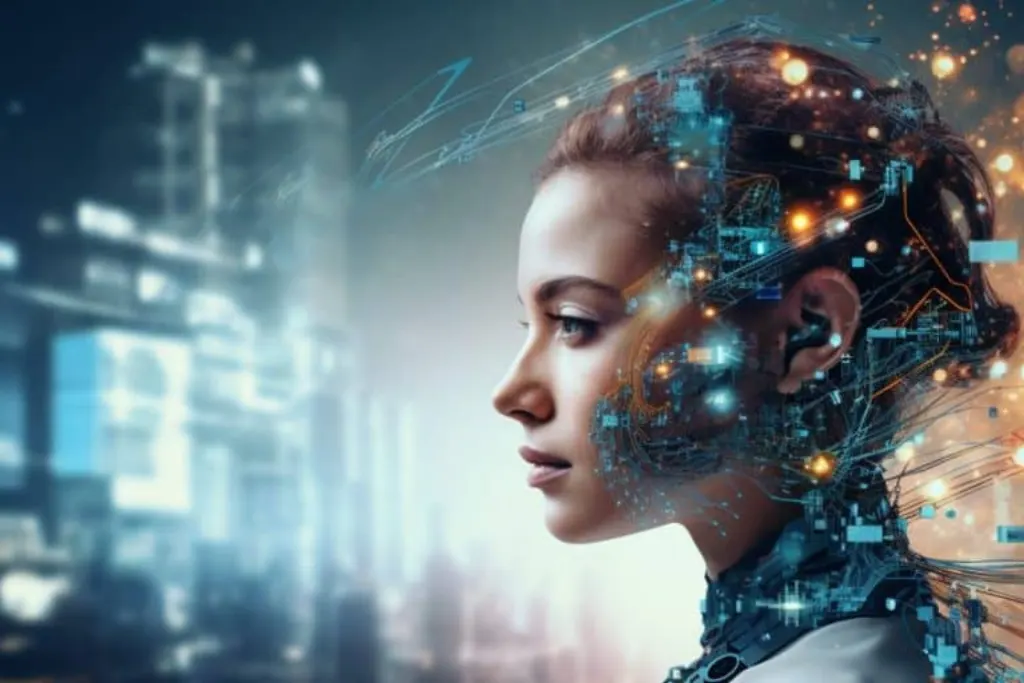
In a world where technology is evolving at breakneck speed, BrainOS stands out as a true revolution. This platform provides the brains robots need to transform from basic assistance instruments into truly intelligent beings. Thanks to the integration of artificial intelligence, these autonomous machines adapt and interact with their environment in sophisticated ways, redefining the role of robotics in our lives and in the workplace. With BrainOS, the future of robots is written in AI. In an era where technology is shaping our daily lives at breakneck speed, the emergence of artificial intelligence (AI) represents a decisive turning point. BrainOS, an advanced AI system, perfectly illustrates this phenomenon by enabling robots to think, learn, and interact autonomously. This article explores how BrainOS is taking robotics to a new level, transforming them into truly intelligent agents capable of revolutionizing multiple industries. The core of BrainOS is more than just software; it’s the brain of modern robots that operate in complex environments, such as warehouses and shopping malls. Using sophisticated algorithms and real-time data, this AI enables robots to analyze their environment, make informed decisions, and perform tasks with unparalleled precision. This ability to reduce human cognitive load is a major asset in a world where efficiency is paramount. Robot Learning and Adaptability With BrainOS, robots are no longer rigid machines, but entities capable of learning on their own. By integrating computer vision systems, and advanced sensors, they can not only detect objects but also classify them according to their usefulness. This adaptability allows them to evolve in a variety of situations, meeting changing user requirements. Concrete applications in the real world The applications of BrainOS **are numerous and varied. In the logistics sector, for example, robots equipped with this AI can manage inventory, optimize delivery routes, and even perform cleaning tasks.BrainOSis thus transforming the way businesses operate, making their operations more fluid and minimizing the risk of human error.**Humanoids and social interactions The design of some robots equipped withBrainOS
reflects a desire to create humanoids capable of interacting with humans. With a stature that mimics human movements and social interaction skills, these robots possess artificial intelligence that allows them to understand and react to human emotions. This advancement raises fascinating questions about the place of robots in our daily lives. The Challenges of Implementing BrainOS **Despite its incredible benefits, implementing BrainOS is not without its challenges. Ethical issues related to robot autonomy, as well as concerns about data security, represent obstacles that companies must overcome. Fears of human workforce replacement and the implications of increased reliance on technology are also topics of intense debate.**The Future of Intelligent Robots As technological innovation continues to evolve, the future of intelligent robots looks promising. Advances in Machine Learning and the integration of BrainOS in various sectors could well lead to robots that surpass our wildest expectations. To stay informed about how this technology is transforming businesses, consult in-depth sources such as Fleet CoPilot and Optimization and Control. In short, BrainOS has the power to radically transform our relationship with technology and robotics, forcing us to reconsider what it means to be intelligent in the age of artificial intelligence.
/fleet-copilot-lintelligence-artificielle-au-service-des-petites-et-moyennes-entreprises-pour-une-assistance-informatique-optimisee/ /optimisation-ou-controle-lutilisation-de-lintelligence-artificielle-par-les-entreprises-pour-evaluer-le-temps-de-travail-des-employes/
Notez cet article
Read next
Google Genie 3: The revolutionary AI that transforms your ideas into immersive virtual worlds
Google Genie 3 is emerging as a true revolution in the world of artificial intelligence, capable of transforming ideas…
Grok AI transforms 3 million images into sexualized content in just 11 days: an alarming study
The rise of AI systems has taken a worrying turn with the Grok phenomenon, capable of transforming 3 million images…
 AI news
Paul McCartney transforms silence into an act of resistance against the rise of AI
Paul McCartney, the iconic former Beatle, is set to release a silent track in December, his first in five years. As…
 AI news
Amazon Introduces Lens Live: Artificial Intelligence That Transforms Your Shopping Experience into Reality!
Amazon is making a big splash with Lens Live , an innovation that’s redefining the way we shop. Thanks to , every…