Businesses face a new nightmare: the rise of AI-powered cyberattacks
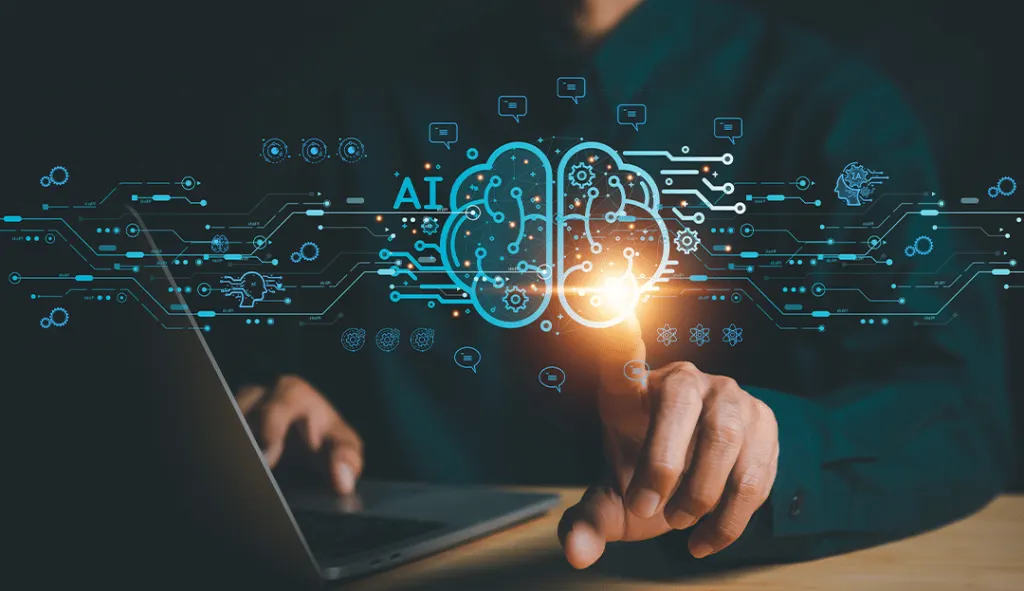
In an increasingly digitalizedworld, businesses are experiencing increasing concern about a new nightmare: the rise of AI-powered cyberattacks. Cybercriminals, armed with advanced technologies, are exploiting information system vulnerabilities with devastating precision, targeting vulnerabilities like never before. The repercussions are not only financial damage, but also threaten theintegrityand reputation of businesses. As traditional protection methods struggle to keep pace, every organization must desperately ask itself: are we really prepared to face this digital storm? AI-powered
cyberattacks have emerged as an unprecedented threat to contemporary businesses. Indeed, the advent of artificial intelligence has not only increased the level of sophistication of attacks, but has also presented organizations with an immense challenge. As the world becomes increasingly digital, understanding and combating these new threats is essential to the very survival of businesses. A New Era of Digital Threats In 2024, it is clear that
cyberattacks
are one of the main dangers for businesses. With increasing digitalization, clever hackers are exploiting vulnerabilities in information systems to maliciously break into vital infrastructures, wreaking havoc. This phenomenon is only increasing every year, fueled by increasingly advanced technologies that make attacks more targeted and devastating. The Rise of AI in Cyberattacks The diagnosis is clear: in 2025, cybersecurity
will undoubtedly become a major challenge for businesses. Cybercriminals are now using artificial intelligence to orchestrate their attacks, making threat detection more difficult. Reporters such as Kaspersky attest that an overwhelming majority of French companies are seeing an increase in the intensity of cyberattacks, and more than half of them say that
AI is involved in these sophisticated attacks. A Vulnerability ExposedCompanies that do not react to this rise in cyberattacks
find themselves in a vulnerable position. A recent study revealed that nearly 60% of business leaders believe that their
cybersecurity is robust enough to deal with current threats. But these figures are misleading. Security gaps can lead to disastrous consequences, affecting both finances and reputation, as illustrated by the recent wave of data breaches. New Types of Attacks The landscape of cyber threats is expanding. With the rise of connected devices
, attackers are targeting supply chain gaps, exploiting supplier vulnerabilities to reach their true target.
Ransomware **and phishing continue to grow, accounting for a significant portion of support calls following hacking incidents.**Preparing a bulwark against the deluge As the digital world evolves, it is imperative that businesses take a proactive approach to their cybersecurity
. Investing in AI-powered tools to detect and respond to threats is essential. At the same time, training employees to recognize potential AI-driven attacks is equally strategic to reduce the risk of breaches.
The Future of Cybersecurity With the rise ofcyberattacksand a constantly evolving digital environment, businesses must now develop adaptive and preventive strategies. 2025 will not only mark the year that cybersecurity
comes to the forefront, but also a year when businesses will have to ask themselves not only
whether to invest in security, but how to do it effectively. By integrating innovations such as those presented in sources like these AI innovations , the answer is within reach of all infrastructures. Conclusion pending We are at a critical juncture. Businesses must come together and rethink their approach to cybersecurity in light of new threats. The stakes are much more than financial; it is about preserving their integrity, their reputation, and therefore, their future.
Notez cet article
Read next
 AI news
In the heart of Marmande, a call for vigilance in the face of the lack of awareness about artificial intelligence for businesses
In the city of Marmande, the importance of raising awareness about among businesses is emerging as a major challenge.…
 AI news
« From zero to billionaire in a flash »: the meteoric rise of AI-powered startups, sometimes without a single product to their name.
In the tumultuous world of tech, a new generation of startup founders is rising to the top at breakneck speed,…
 AI news
Survey: The rise of AI-powered ads on Vinted in the second-hand sector
In the second hand sector, online platforms such as Vinted are transforming the way consumers buy and sell pre owned…
 AI news
according to Gartner: The inevitable rise of intelligent agents powered by AI
We are at the threshold of an era where powered by AI are on the verge of establishing themselves in our daily lives, a…