ChatGPT and AI: The promises and challenges of generated images
With the launch of a new version of OpenAI’s program, the debate is intensifying around respect for artists’ work and the possible excesses of artificial intelligence. While ChatGPT is revolutionizing creation by offering an image transformation tool, attracting millions of users, ethical questions are emerging regarding intellectual property theft. Although technically advanced, ChatGPT shows limitations in some of its implementations, raising concerns about the future emergence of software imitating these processes for less virtuous uses. The growing integration of artificial intelligence technologies like ChatGPT in image creation is redefining the boundary between traditional and digital art. As millions of users explore the new horizons offered by transforming their photos into visuals inspired by famous worlds, questions are emerging about respecting artists’ intellectual property. This article discusses the promise of this innovative technology while highlighting the ethical and technical challenges it raises. The Creative Potential of AI in Image Processing The arrival of ChatGPT **and associated tools in the field of image creation offers almost limitless possibilities. Using deep learning algorithms, AI is capable of transforming simple photographs into works inspired by diverse aesthetics, such as that of Studio Ghibli. This phenomenon has captivated hundreds of thousands of internet users, attracting a million additional users for OpenAI. This approach allows users to directly interact with visuals that resonate with them personally, representing a powerful asset for personal and professional creativity.**Ethical and Legal Implications **However, with this creative potential comes a series of ethical and legal challenges. Indeed, the use of AI raises questions about respect for artists’ work. Feeding algorithms with existing images to create new ones can be seen as a form of intellectual plunder. Artists like the Japanese master of Studio Ghibli have consistently rejected the use of AI in their creations, highlighting the tensions between digital innovation and the preservation of creators’ rights.**ChatGPT’s Technical Limitations
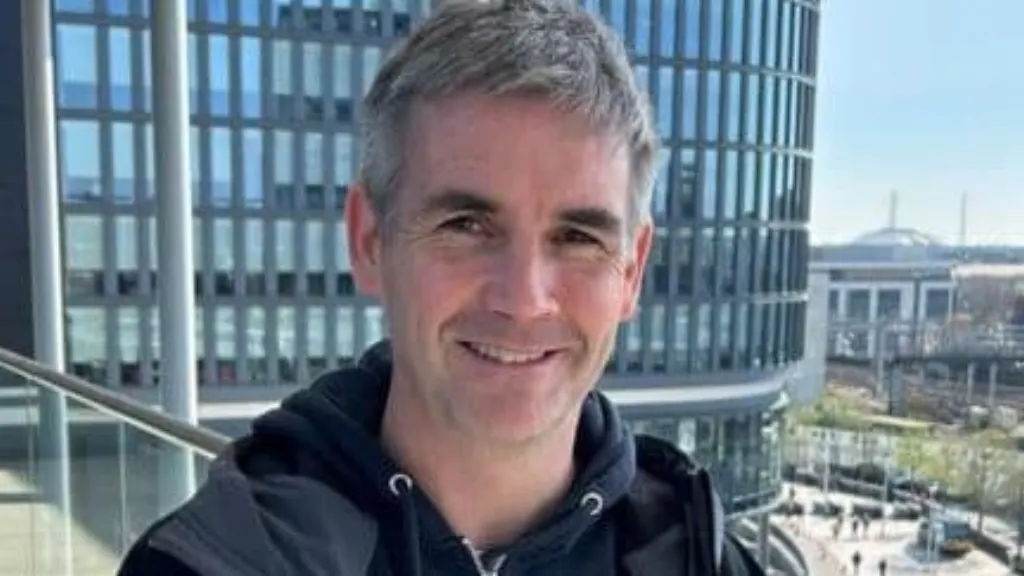
Despite its ability to generate impressive images, ChatGPT also has limitations. As AI specialist Raphaël Chenol explains, ChatGPT cannot perform certain tasks, such as creating fake ID cards or falsified tax documents. This shows that, while AI can mimic many facets of human work, it is no substitute for the complex skills and ethical judgment required for certain creations. The Future of AI-Generated Images
Beyond current controversies, the future of AI-generated images will depend on how society chooses to navigate the balance between technological innovation and respect for artists. The market is expected to continue to see the emergence of new open-source software capable of copying and improving existing AI mechanisms. As Raphaël Chenol points out, this can lead to abuses if safeguards are not put in place. Nevertheless, with appropriate regulation and a commitment to ethics, AI could well continue to revolutionize the way we create and perceive art.
Notez cet article
Read next
 AI news
Discover the amazing evolution of these two images generated by ChatGPT in just one year
Discover the astonishing evolution of images generated by ChatGPT in just one year. What was once a simple geometric…
 AI news
The growing challenges of child pornography generated by artificial intelligence: a lawyer sheds light on the obstacles to the fight and possible legislative developments
The proliferation of child sexual abuse content generated by is raising significant concerns among authorities and…
 AI news
In Guéret, compromising AI-generated images target elected officials: the mayor is taking legal action.
In Guéret, the municipal election campaign has taken an unexpected and troubling turn, as compromising images generated…
 AI news
VERIFICATION – AI-generated images: when digital fiction impacts reality
Artificial intelligence generated images are captivating due to their striking realism. However, beyond their playful…