ChatGPT as a substitute for therapy? Why experts warn
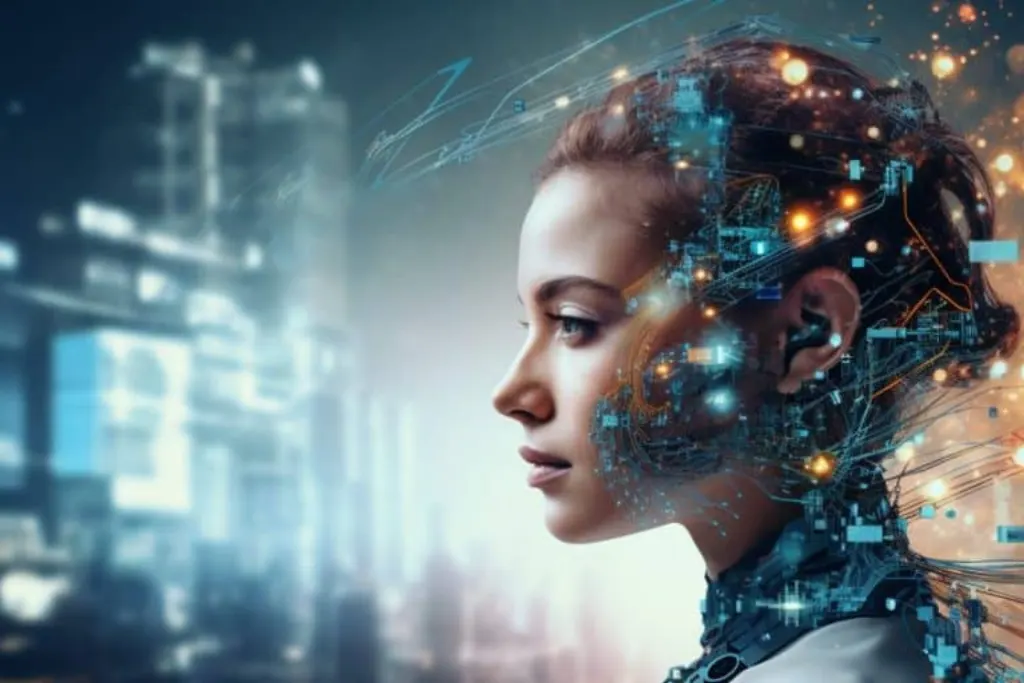
The rise of chatbots, particularly ChatGPT, raises a thorny question: can it really replace a therapist? While many users turn to these virtual assistants to share their concerns, experts warn against a dangerous simplification of therapy. According to them, fundamental elements such as the interpretation of unspoken words and emotional understanding, which only trained professionals can offer, are sorely lacking in these artificial intelligences. Indeed, behind the illusion of accessible support lies a reality that requires careful attention. Millions of users turn to ChatGPT seeking comfort or advice, but behind the appeal of this intelligent chatbot lie many essential questions. Is it really wise to consult an AI for emotional problems? Experts, including therapists, warn against the idea that ChatGPT could replace a mental health professional. In this article, we explore why this view is sometimes misleading. Human nature cannot be replacedA fundamental element of therapy is human interaction. During a session with a therapist, nuances such as body language, gazes, or even silences are crucial. These elements cannot be captured by a machine. A mental health expert acts as an emotional mirror, reflecting not only the words but also the underlying feelings. **ChatGPT, as a program, lacks this emotional capacity and sensitivity, which significantly limits its therapeutic value.**The Limitations of Processing Complex Information **According to therapists, therapy often addresses complex issues and emotional dynamics that require a deep understanding of human emotions.**ChatGPT can provide data-driven text responses, but it’s no substitute for clinical analysis and the experience of a professional. The subtle details of a human interaction, such as awkward gestures or moments of vulnerability, are missed by AI. Studies have also shown that chatbot-generated responses may fail to nuance users’ true needs. The Risk of Addiction to Digital Tools
The ease of access to an AI like ChatGPT can encourage addiction to these tools rather than true healing. Many users may feel more comfortable interacting with a program than with a human, which can lead them to avoid in-person consultations. This phenomenon could lead to a vicious cycle, where people rely solely on chatbots to manage serious emotional issues, to the detriment of their mental health. The Importance of Confidentiality and Ethical Boundaries When consulting a therapist, confidentiality is of paramount importance. Although a chatbot may appear to offer a certain form of anonymity, the data shared is never completely safe from security breaches. Users may feel vulnerable sharing intimate thoughts, but the risk of this information being exploited by third parties is an aspect that raises concerns about the use of AI in the field of mental health **.**The Need for Human Support Experts conclude that, while ChatGPT can be a complementary tool for some people, it should not be considered a substitute for traditional therapy. For those seeking initial support, AI can provide a listening ear. , but for deeper issues, the intervention of a qualified therapist is irreplaceable. Human emotional support is irreplaceable, and true therapy requires a personal intervention that machines cannot provide. Ultimately, it is crucial to take a critical look at the use of these technologies. Prodigious advances in AI, such as those of ChatGPT, are raising fascinating debates around psychology and emotional support. However, human mental health should never be left in the hands of a machine, as it requires more than simply a succession of text responses.
Notez cet article
Read next
 AI news
Experts warn: Artificial intelligence refuses to turn off on command
The emergence of autonomous is raising new concerns among experts. Recent cases have revealed that some AI models, such…
 AI news
Artificial Intelligence listens: Can ChatGPT serve as a substitute for therapists?
The integration of the in the field of mental health raises many questions. Users are now turning to ChatGPT for…
 AI news
Integrating ChatGPT into a chatbot: experts raise the alarm about major risks
At the dawn of an era where artificial intelligence is redefining our daily lives, the integration of ChatGPT into…
 AI news
ChatGPT faces a millennia-old challenge: its response stuns experts
In a world where is becoming increasingly central, a new experiment recently astonished researchers. The AI ChatGPT…