Deepfake videos threaten the credibility of A69 opponents thanks to advances in artificial intelligence
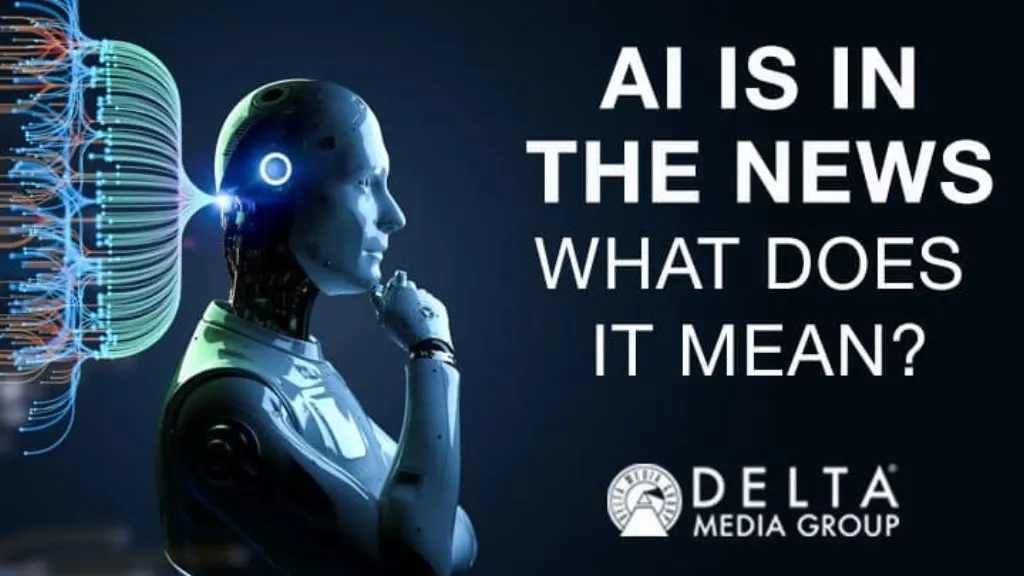
Recent advances in artificial intelligence now make it possible to create doctored videos, known as deepfakes, that pose serious risks to the credibility of movements opposing the A69 motorway project. These videos, generated by Google’s VEO-3 technology, create fictitious interviews with anti-A69 activists, influencing perceptions and manipulating them on social media. In a context where every tenth of a degree of global warming matters, AI-driven disinformation can distract from real issues by manipulating public opinion. With recent advances in artificial intelligence, videos manipulated by deepfakes are emerging, jeopardizing the credibility of critics of the A69 motorway project. Using advanced image and video synthesis technologies, completely fictional scenes are created, generating confusion and misinformation. A look back at this worrying development in digital communication and its social implications. Advanced Video Generation Techniques Using Artificial Intelligence The latest advances in artificial intelligence, specifically in the field of deepfakes, have enabled the manipulation of images and videos to a previously unmatched level of realism. The arrival of Google’s video generator, VEO-3, has given anyone the ability to create uncanny, uncanny content. This type of technology makes it possible to fabricate imaginary scenes that can be presented as real events, thus disrupting the very nature of information verification. A Fictitious Interview to Manipulate Public OpinionA striking example of manipulation that captured the attention of social media is an artificially created interview. In this video, a fictional journalist and activist discuss the supposed uselessness of the A69 motorway. The video shows superficial details, such as a young woman with blue hair and a t-shirt proclaiming « RSA love, » engaging in a completely fake conversation with a journalist who laughs at the fact that the activist lives in Paris and not directly near the highway project. Telltale Signs of ManipulationThroughout the video, several clues suggest the artificial deception: blurring of the characters’ movements, the illegible name of the supposed media outlet, and inconsistent text on the signs in the background. Further exploration reveals the original source on YouTube, explicitly labeled « Made by AI. » Despite these obvious signs, many online users take these videos at face value, contributing to their virality. Impact and Effectiveness of Deepfakes on Public Discourse
The proliferation of these doctored videos, particularly the one created by Antony Frandsen, founder of a pro-A69 group, reflects a new era of disinformation facilitated by artificial intelligence. According to Time magazine, these deepfakes have already had significant consequences in contexts ranging from riots to elections, altering public perception. Their influence is such that fake videos of a racist or reactionary nature are proliferating on social platforms such as TikTok, reflecting a potentially dangerous transformation of the media landscape.
Popular Support and Resilience in the Face of Disinformation
In a time of such digital uncertainty, widespread support for green media initiatives like Vert provides a vital counterbalance to misinformation. More than 12,000 members are already lending their support to build a community dedicated to quality information. This type of mobilization demonstrates social resilience in the face of misinformation, reinforcing the importance of reliable sources, and thereby contributing to a more informed and inclusive society.
Notez cet article
Read next
 AI news
Restore your old photos in one click thanks to advances in artificial intelligence
The emergence of technologies based on has revolutionized image processing by offering the ability to restore your old…
 AI news
TotalYmage revolutionizes interactive videos thanks to artificial intelligence in Ain
In the Ain department, TotalYmage is redefining interactive videos by integrating advances in . This technology is…
Wendie Renard en colère : victime d’un deepfake trompeur créé par l’intelligence artificielle
Wendie Renard, la célèbre capitaine de l’OL Lyonnes, a récemment exprimé sa colère face à un deepfake trompeur…
The era of artificial intelligence: understanding the challenges and advances
In a world where technology is evolving at breakneck speed, the introduction of is constantly redrawing the boundaries…