Employment in France: Workers face growing pressure from artificial intelligence
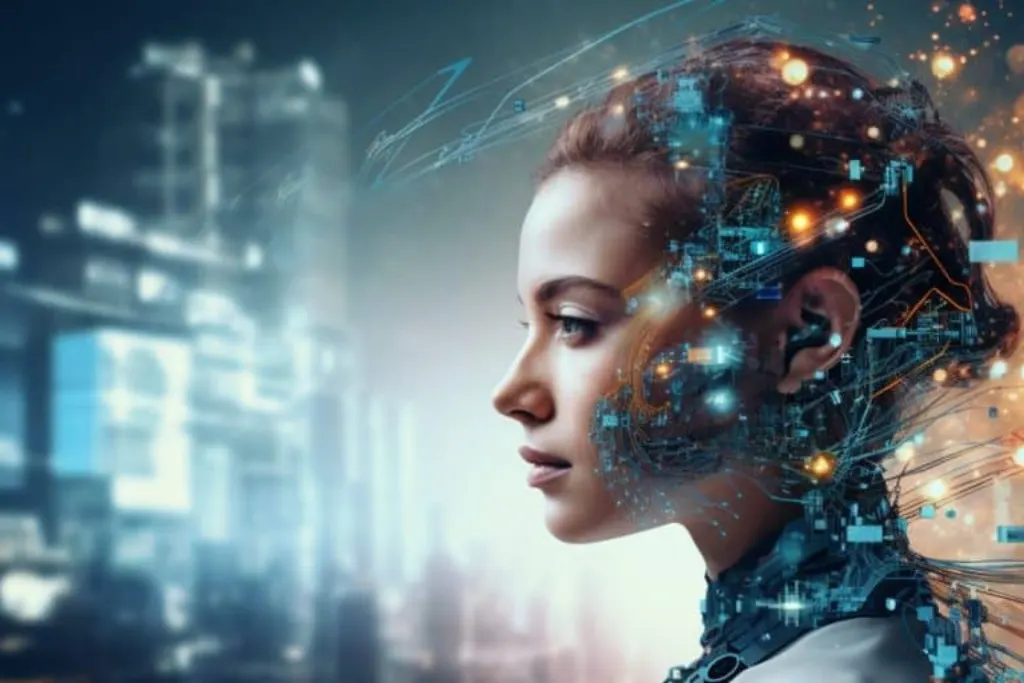
Artificial intelligence is emerging as a major player in the world of work, profoundly changing professional dynamics in France. While it opens up exciting opportunities, it is also raising growing concerns among workers. Many feel overwhelmed by the need to master this complex tool, a task sometimes perceived as a veritable second job. While Generation Z seems particularly affected, the question of balancing mental workload and new skills is becoming essential to navigate this rapidly changing landscape. The rise of artificial intelligence (AI) is creating unprecedented opportunities in the professional world, but it is also a source of significant pressure for French employees. With mastery of AI seen as a growing imperative, many feel overwhelmed by the need to quickly acquire new skills, thus weighing on their mental well-being. This trend is evident among all professionals, but particularly affects younger generations. Let’s explore together the impact of AI on the world of work in France. AI as a Second CareerThe arrival of artificial intelligence is disrupting traditional professional dynamics. According to a study conducted by the professional social network LinkedIn, approximately 44% of French employees view learning AI as a second job. The need to stay up-to-date with this technology intensifies the mental load on workers, making adapting to AI a daily challenge. A widespread lack of understanding **Another challenge lies in the limited understanding of AI among professionals. The same study found that 34% of workers feel uncomfortable with their low level of understanding of AI. This gap leads to workplace stress, with 37% of respondents fearing having to discuss AI-related topics with their colleagues. This creates an environment where acquiring these new skills is not only necessary, but also a source of anxiety.**Increased Pressure on Younger Generations
The impact of AI is felt even more strongly among Generation Z workers. These young professionals often feel compelled to overestimate or even lie about their AI skills. The pressure to display perfect technical knowledge appears to be intensified by the need to remain competitive on professional platforms like LinkedIn, where discussions around AI have increased by 29% over the past year. Impact on Mental HealthThe impact of AI on workers’ mental well-being is far from negligible. Nearly 41% of French professionals feel that the pace of technological change, driven by AI, is affecting their mental health. The increased demands to comply and adapt to a constantly evolving technological environment are taking a heavy toll, especially on younger professionals. Optimism and Vision for the Future
Despite the challenges it poses, a majority of French employees see
AIas an opportunity for improvement at work. More than half of them (53%) remain optimistic about the potential benefits of this technology. Balancing daily responsibilities while preparing for future market needs is a complex exercise that opens doors to a dynamic and transformative future.
Notez cet article
Read next
 AI news
The devastating impact of AI on employment in China: a similar future to be expected in France?
As gains momentum, a sobering reality emerges: the devastating impact of AI on employment in China is raising…
 AI news
ChatFT: The Employment Revolution with AI at France Travail
In 2024, France Travail introduced revolutionary tools for to cope with a reduction in its budget while increasing the…
 AI news
BPCE establishes a new pact for employment in the face of the challenges of generative artificial intelligence
The BPCE Group is making progress in its adaptation to the digital age by establishing a new employment agreement,…
 AI news
The Other Face of Artificial Intelligence: Modern Slavery in Madagascar and the Fate of Invisible Workers
In Madagascar, far from the technological prowess touted by the industry, lies a much less rosy reality: the difficult…