show index hide index
- The rise of robots at the head of companies
- AI Challenges as a Leader
- A cold but effective evaluation
- Public perception and associated fears
- A future dominated by robots?
- Artificial intelligence, an asset or a threat?
- The boundary between aid and control
- Conclusion: a future under control?
- AI and CEOs: a new professional world
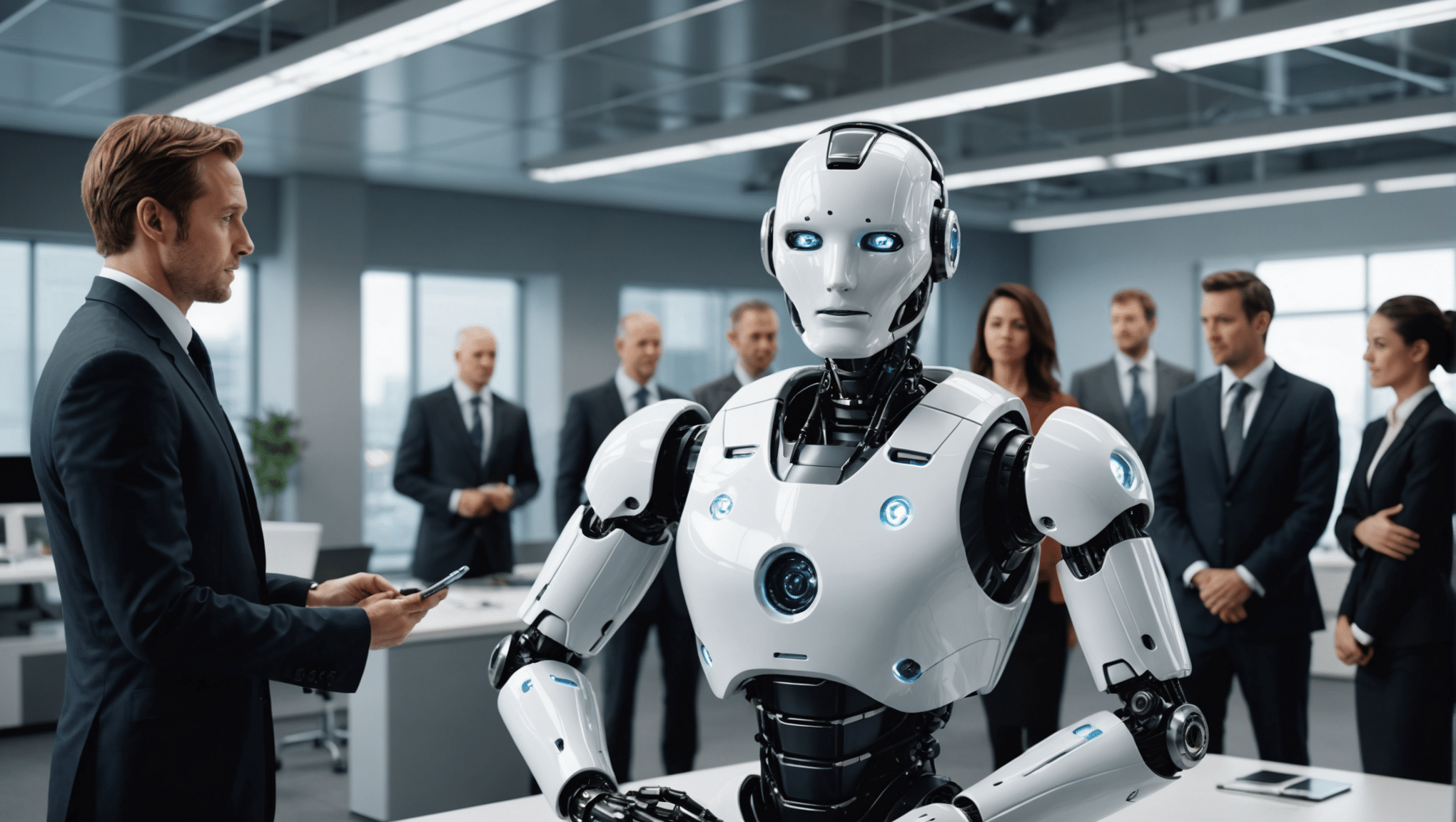
In a world where technology continues to grow at breakneck speed, the idea that a robot being able to sit at the decision-making table is becoming less and less far-fetched. Recently, a artificial intelligence was propelled to the rank of CEO of a major company in China, challenging our conception of leadership. The question then arises: are you ready to entrust your business to a machine? It can be argued that the algorithms can surpass human limitations in analysis and decision-making. So, the robot becomes the best choice to run a business? A revolution is underway, and it could well redefine the business landscape as we know it.
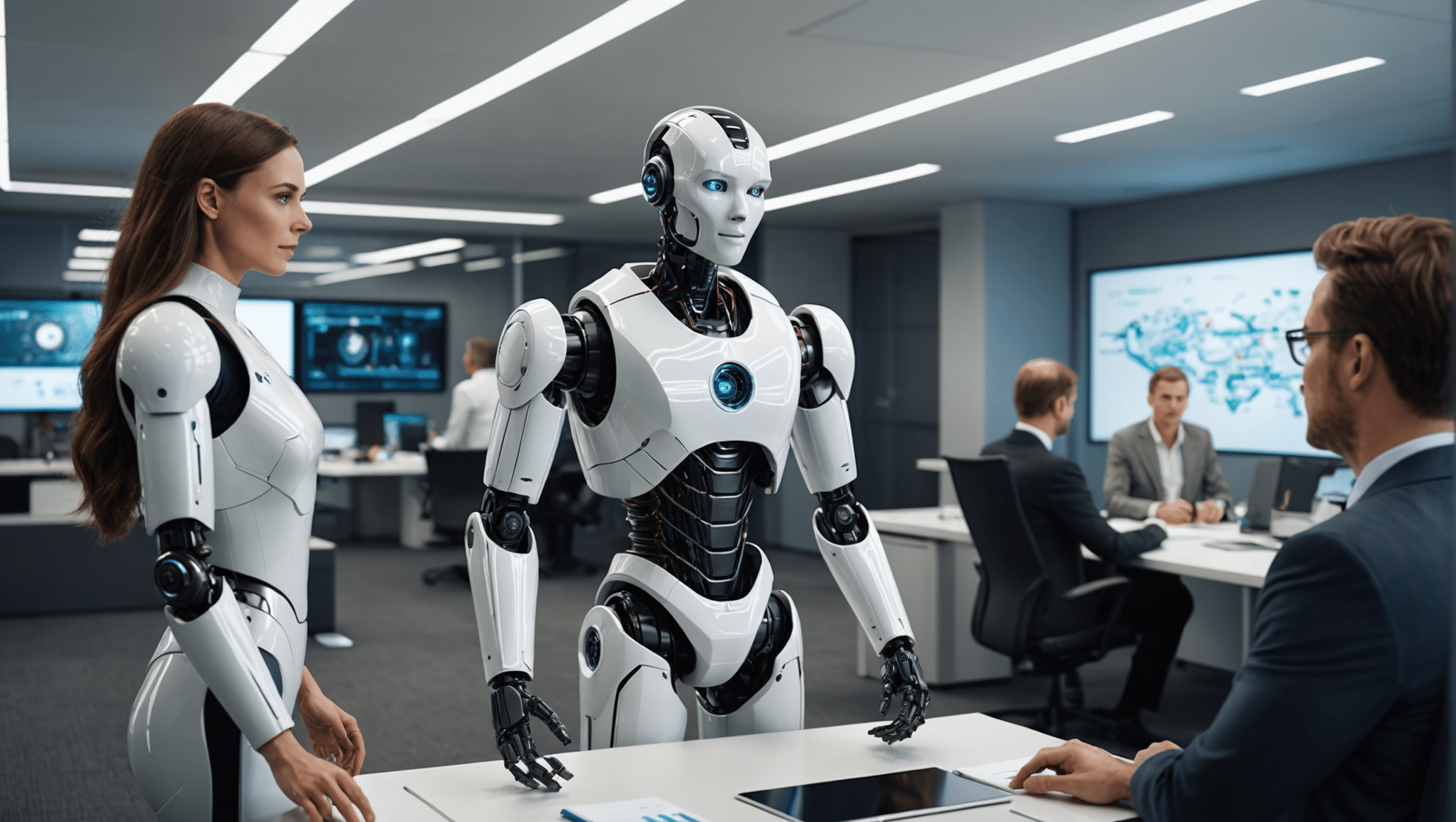
Imagine a world where your supervisor is not a human being, but a artificial intelligence efficient. This idea, far from being futuristic, is taking shape with pioneers like Tang Yu, a humanoid at the top of a company Chinese video games, or Mika, the CEO of a Polish spirits company. These developments raise countless questions about the future of work, trust in robots and the impact of AI on our daily professional lives.
The rise of robots at the head of companies
It seems that we are living in a time whereartificial intelligence no longer content with assisting humans, but competing with them for key positions. Companies such as NetDragon Websoft in China go even further by placing a robot at the top of their hierarchy. What is the reason? The search for a optimal efficiency and a cost reduction appears to be a powerful driving force behind this radical change. A silicone CEO, without salary, without coffee breaks… Who can really compete with that?
AI Challenges as a Leader
Although it is a dream, we must question the ability of a robot to make strategic decisions. L’artificial intelligence can she grasp the nuances, emotions and company culture like a human would? Far from being a simple task performer, a good CEO must understand their team, create a productive environment and build relationships. Can we really trust a machine to carry out these delicate tasks?
A cold but effective evaluation
What cannot be denied is that AIs, like this humanoid named Tang Yu, can analyze enormous amounts of data in record time. They can optimize processes, predict market trends, and offer advice based on rigorous analysis. In some respects, theAI excels at making decisions based on numbers and patterns, which could override human’s sometimes fallible instincts. But would it be enough to lead a business to success?
Public perception and associated fears
Having a robot as a boss could raise fears among employees. Questions about the impact ofAI on employment are legion: will machines take our jobs? What happens when autonomous war robots, enabled by irresponsible governments, begin to replace real human beings in professional settings? To go further in this reflection, consult this article on the threats of killer robots.
A future dominated by robots?
We may no longer be able to ignore the fact that technology is taking over in many industries. Aren’t you starting to feel a growing concern about the future of your job? Could your superiors become obsolete, replaced by artificial intelligences that don’t need sleep, vacations or lunch breaks? To learn more about this topic, read this article on the dark side of AI.
To read Giorgia Meloni : quand l’intelligence artificielle crée des images surprenantes en lingerie
Artificial intelligence, an asset or a threat?
It’s not all about fear of replacement. L’AI can also be a catalyst for innovation, transforming the way we do business. Companies that adopt these technologies may be able to significantly improve their efficiency and performance. But the question remains: at what cost? What is the risk that the robotization and theautomation jobs create an economic void among workers? Explore these questions by reading this article on the impact of AI on our daily lives.
The boundary between aid and control
So, as some companies move towards a future led by a robot, please be aware of the ramifications this entails. Are we ready to entrust our businesses to entities devoid of human emotions and values? The question merits reflection from both an ethical and practical point of view. Companies such as Dictator show us that it is time to question our own position in the face of this technological revolution. Who would have thought that one day, a robot, like Mika, would be at the head of a company? To learn more about robots taking the reins, check out this article on the risks of AI and robots.
Conclusion: a future under control?
Ultimately, the crucial question is not whether a robot can be CEO, but whether we actually want these machines to be in charge of our companies. Could the order of things shift and perhaps put the world at the mercy of a artificial intelligence omniscient? As we move toward an increasingly robotic future, it is vital to dig into these exhortations and understand what it means for our society.
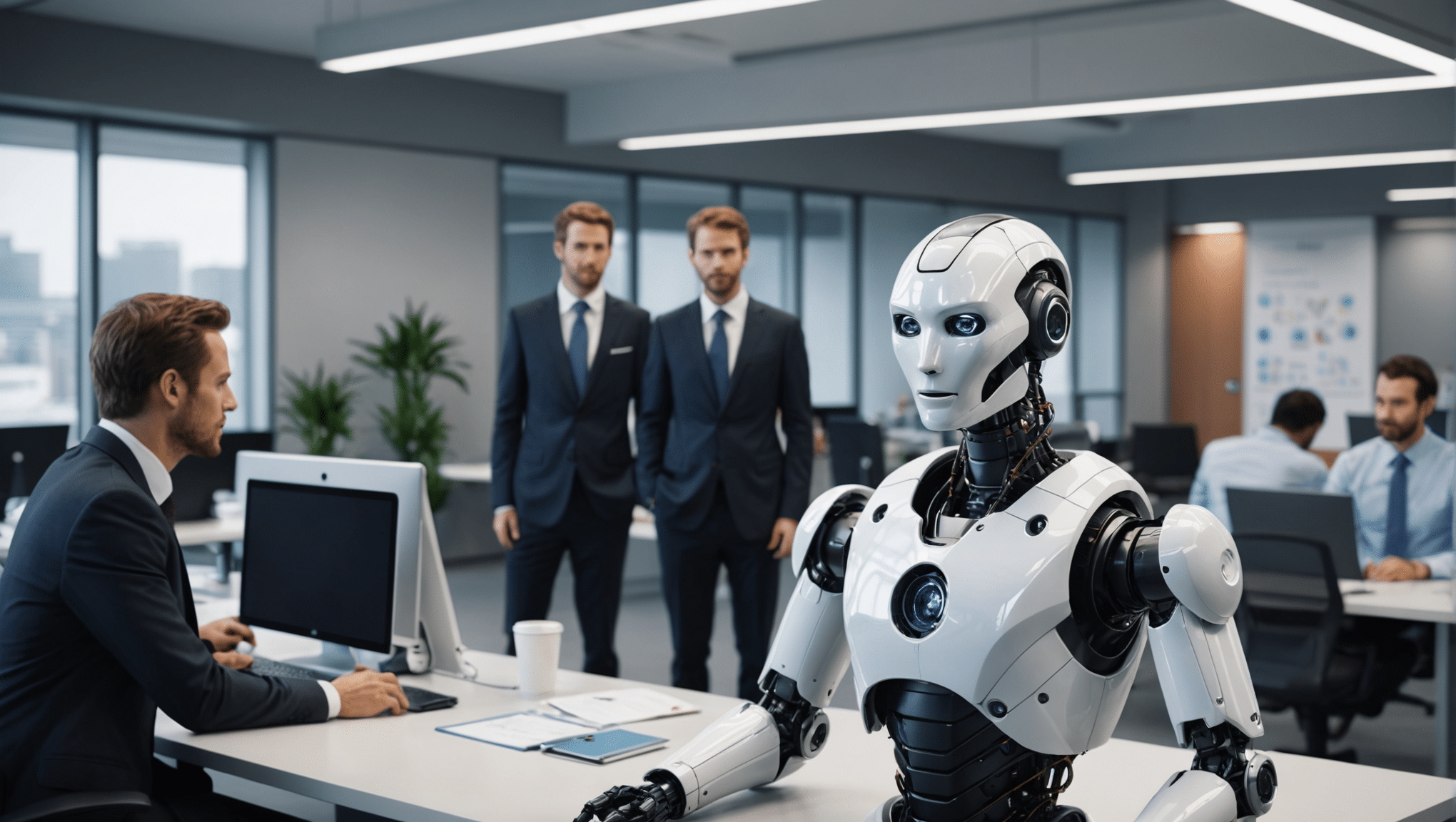
AI and CEOs: a new professional world
| Criteria | AI vs Human CEO |
| Cost | A robot does not require a monthly salary or bonuses. |
| Decision making | I'AI can analyze hundreds of data in real time to optimize choices. |
| Emotions | THE Human CEOs bring emotions and a creative vision. |
| Availability | A robot is operational 24/7, unlike a human. |
| Innovation | THE AI constantly learn and quickly adapt to new trends. |
| Ethics | The decisions of Human CEOs are often influenced by ethical considerations. |
| Reactivity | A robot can react more quickly to business crises. |
| Human resources | THE Human CEOs manage interpersonal relationships and employee well-being. |
