show index hide index
- The Rise of AI and its Practical Applications
- The Domination of AI in Academic Knowledge
- By constantly relying on AI, we risk becoming mere executors, incapable of producing personal reflections. Our brains could be reduced to simple commodities, at the disposal of profit-seeking algorithms. This potential « fall of man » undermines our status as thinking beings.
- If individuals cease to function independently, mass manipulation will become easy. Those who control the algorithms will monopolize decision-making, replacing human consciousness with economic and industrial interests. Educational systems, forced to follow this evolution, contribute to this collapse, offering machines a direct path into the minds of future generations.
- The result is a deep feeling of alienation and loneliness. Deprived of the means of personal contemplation, the individual desperately seeks meaning in his existence. This void could lead to destructive behavior, such as war, as a form of catharsis.
- Faced with a predicted catastrophe, the responsibility falls on current generations. By refusing to restrict AI to non-sensitive areas, we have shaped a world where the machine guides our destinies. Overwhelmed by a feeling of powerlessness, individuals look back to an idealized past, questioning the rationality of our choices.
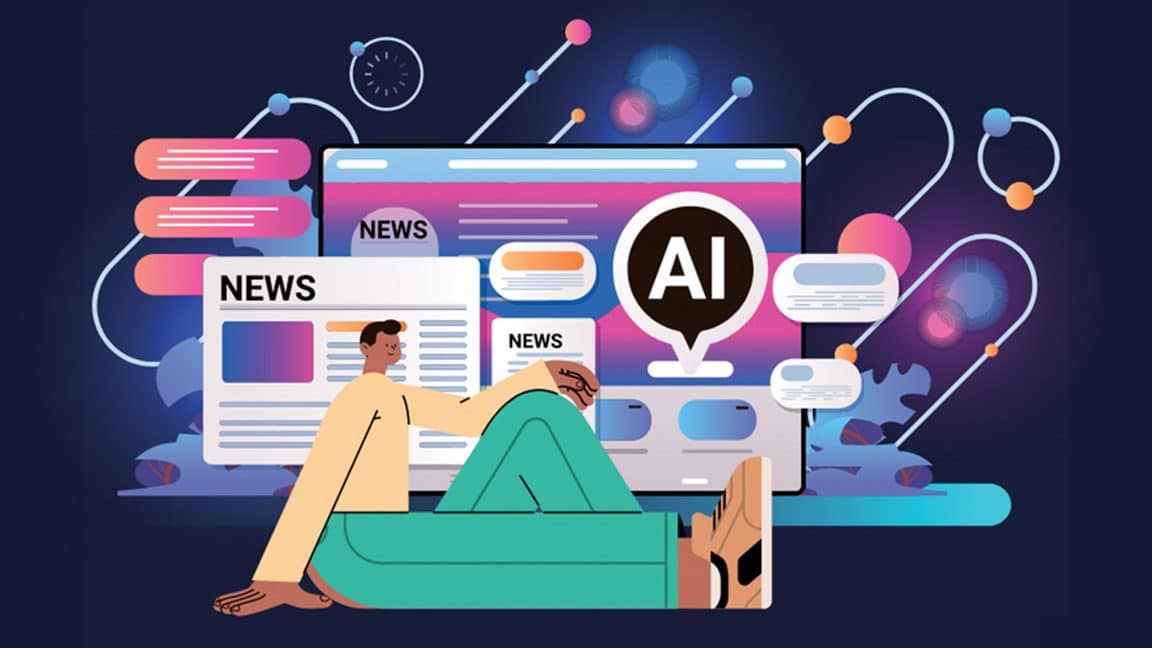
The rise of artificial intelligence marks a significant turning point in many sectors, such as healthcare, technology, and commerce. However, the extension of its influence to our very thought processes is sparking intense debate. Unlike genetic engineering, which is strictly regulated by law, AI enjoys almost complete freedom. This lack of legal constraints raises concerns about the machine’s impact on our capacity to reflect and question our consciences. Faced with the omnipresence of AI, we must ask ourselves whether humanity can preserve its uniqueness in the face of this technological advancement. How will we navigate a future where our thoughts could be shaped by AI? These questions remain at the heart of a controversy that continues to grow. The intrusion of artificial intelligence (AI) into our minds is a burning issue in our contemporary society. Since its emergence, AI has disrupted various fields, promising major technological advances while also raising concerns about its penetration into our consciousness and its influence on our free will. This article explores how AI has infiltrated our daily lives, how it has captured our attention and dominated our choices, and what the potential consequences might be for our ability to think independently.
The Rise of AI and its Practical Applications
The rise of AI in various sectors such as healthcare,applied science, technology,commerce, andservices has been perceived as a revolution. Many governments have encouraged its development, taking advantage of its opportunities without setting clear limits. However, little attention has been paid to its impact on the structure of our thinking. The Lack of Regulation: A Strategic Mistake From the outset, the use of AI should have been strictly regulated, just as genetic engineering was subjected to strict laws by legislators. The idea was to keep the machine confined to the world of data, preventing it from influencing our consciousness. In the absence of this barrier, AI has infiltrated our lives, altering the way we think and create.
The Domination of AI in Academic Knowledge
Children, teenagers, and students now frequently use AI to write their assignments, even going so far as to confide their feelings to chatbots. Rather than developing their own reasoning, they have found in machines a valuable, but potentially alienating, aid. This ordeal, accepted by our political leaders, often blinded by economic gains, is propelling us toward a world where humanity is relinquishing its very essence.
The Threat to Our Capacity to Think for Ourselves
By constantly relying on AI, we risk becoming mere executors, incapable of producing personal reflections. Our brains could be reduced to simple commodities, at the disposal of profit-seeking algorithms. This potential « fall of man » undermines our status as thinking beings.
Social and Cultural Consequences
If individuals cease to function independently, mass manipulation will become easy. Those who control the algorithms will monopolize decision-making, replacing human consciousness with economic and industrial interests. Educational systems, forced to follow this evolution, contribute to this collapse, offering machines a direct path into the minds of future generations.
A Predictable Alienation and Its Repercussions
To read Giorgia Meloni : quand l’intelligence artificielle crée des images surprenantes en lingerie
The result is a deep feeling of alienation and loneliness. Deprived of the means of personal contemplation, the individual desperately seeks meaning in his existence. This void could lead to destructive behavior, such as war, as a form of catharsis.
An impossible return to the past
Faced with a predicted catastrophe, the responsibility falls on current generations. By refusing to restrict AI to non-sensitive areas, we have shaped a world where the machine guides our destinies. Overwhelmed by a feeling of powerlessness, individuals look back to an idealized past, questioning the rationality of our choices.
