show index hide index
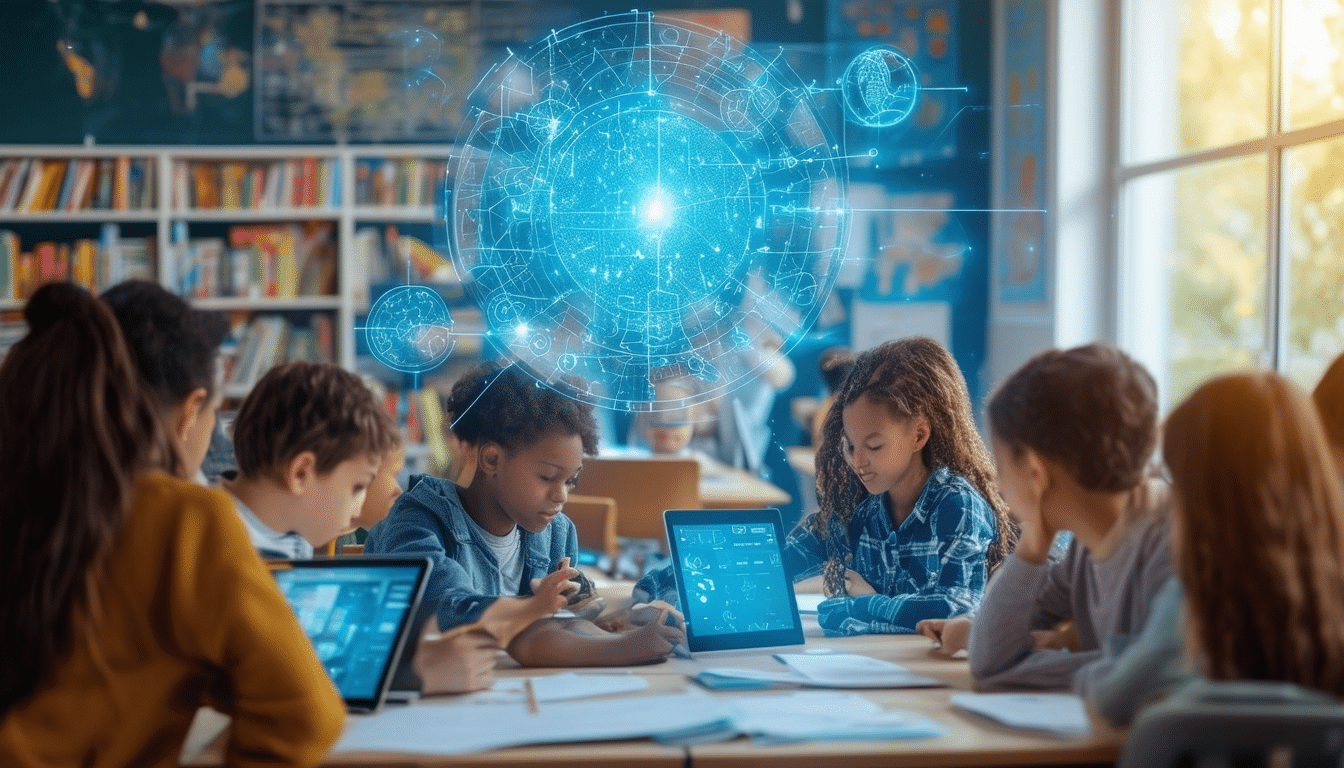
The use of theartificial intelligence propels theeducation in a new era, wherehomework assistance is transformed. Using sophisticated algorithms, AI-based educational platforms can analyze student performance in real time, detect signs of difficulty and propose appropriate solutions. This personalization of learning helps fill gaps proactively. By providing tailored learning opportunities, AI helps reduce inequalities, making quality education accessible to all. In addition, teachers can adapt their teaching methods optimally.

With the advent of artificial intelligence technologies, the traditional approach to education and homework is undergoing a radical transformation. This text explores how AI can provide personalized learning, automate certain educational tasks, and reduce educational inequalities, while providing valuable assistance to both students and parents.
Personalization of learning
Thanks to sophisticated AI algorithms, teachers have the opportunity to adapt study programs and teaching methods according to the individual needs of each student. By analyzing student performance in real time, AI systems are able to detect early signs of learning difficulties. This allows rapid and targeted intervention, thus promoting more personalized support and better mastery of academic subjects.
Interactivity and engagement
AI also offers interactive tools that increase student engagement. AI applications can offer interactive exercises, personalized quizzes, and dynamic simulations that make learning more fun and engaging. This gives students the opportunity to practice at their own pace, get immediate feedback and improve their skills in an interactive and stimulating environment.
Automation of administrative tasks
In addition to supporting personalized learning, AI can automate several administrative tasks, such as grading homework. AI systems can automatically correct exercises, generating detailed reports on student performance. This automation frees teachers from repetitive tasks, allowing them to focus more on teaching and personalized student support.
Reduction of educational inequalities
By providing personalized and accessible learning opportunities, AI helps reduce educational inequalities. Students from disadvantaged backgrounds can benefit from the same educational resources as those from more advantaged backgrounds. In this way, AI plays a crucial role in the democratization of education, providing quality education to everyone, regardless of their socio-economic background.
Assistance to parents
AI homework support is not limited to students. Parents can also benefit from artificial intelligence tools to monitor their children’s progress and help them in their educational journey. Specific apps can provide them with advice and resources to better support their children at home, strengthening the connection between school and the home environment.

