show index hide index
- AI doesn’t just spread fake news; it’s also used to generate it. Models such as automated text generators can produce entire articles with very little human intervention. These models are able to mimic the style and content of real news, making it even more difficult to identify it as fake. Even more advanced, the use of deepfake technology allows for the creation of fake videos that appear more realistic than ever. In Los Angeles, this technology is being used to manipulate images and create fictional narratives capable of deceiving even the most skeptical viewers.
- that use AI to identify suspicious content are currently being developed. Furthermore, public awareness plays a vital role in combating misinformation. Encouraging critical media consumption is crucial to building public immunity to fake news.
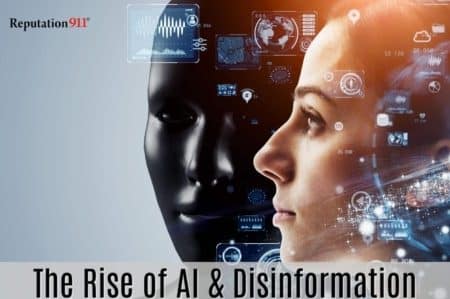
In Los Angeles, the growing emergence of artificial intelligence-based technologies opens new opportunities but also presents significant challenges. Among these, the use of AI for the rapid and sophisticated dissemination of fake news has become a major concern. By exploiting data processing and content generation capabilities, these systems can create misleading information that circulates widely, making the distinction between fact and fiction increasingly complex. In Los Angeles, as in many other cities around the world, artificial intelligence (AI) now plays a significant role in the spread of fake news. This article explores the various ways in which AI contributes to the creation and dissemination of false information, while examining the challenges it poses and potential solutions to mitigate its negative impact.Understanding the Rise of Fake News in Los Angeles The exponential growth of social media and digital platforms has transformed the way information is disseminated and consumed. In Los Angeles, this globalized trend has enabled rapid news distribution, but has also facilitated the spread of fake news. With the pressure to be the first to report information, some actors sometimes recycle unverified information. The use of artificial intelligence in the process of amplifying this news has led to the creation of increasingly convincing content. This makes it even more difficult for consumers to discern fact from fiction. The role of algorithms in the spread of fake news The AI-powered algorithms that power many social media platforms in Los Angeles play a crucial role in the spread of fake news. These algorithms are designed to maximize user engagement, which can often result in the promotion of sensational or controversial content, regardless of its veracity. By focusing on engagement rather than accuracy, AI sometimes unintentionally promotes the spread of fake news. This poses a major challenge for platforms that want to keep their users informed while ensuring the integrity of the information.
Techniques Used by AI to Create Fake News
AI doesn’t just spread fake news; it’s also used to generate it. Models such as automated text generators can produce entire articles with very little human intervention. These models are able to mimic the style and content of real news, making it even more difficult to identify it as fake. Even more advanced, the use of deepfake technology allows for the creation of fake videos that appear more realistic than ever. In Los Angeles, this technology is being used to manipulate images and create fictional narratives capable of deceiving even the most skeptical viewers.
Challenges and Solutions for Combating Fake News
Despite these technological advancements, steps can be taken to counter the impact of fake news in Los Angeles. Efforts to create automated detection tools
that use AI to identify suspicious content are currently being developed. Furthermore, public awareness plays a vital role in combating misinformation. Encouraging critical media consumption is crucial to building public immunity to fake news.
Public policy and regulations can also play a vital role by requiring technology companies to take greater responsibility for managing content on their platforms. However, with the rapid evolution of technology, it is a constant race to stay ahead of new methods of misinformation.
