show index hide index
- The role of technology stakeholders
- International collaboration is crucial. Governments must work together to develop shared strategies to limit the negative impact of these technologies. Sharing information and establishing common standards can help restore some control over these advanced technologies.
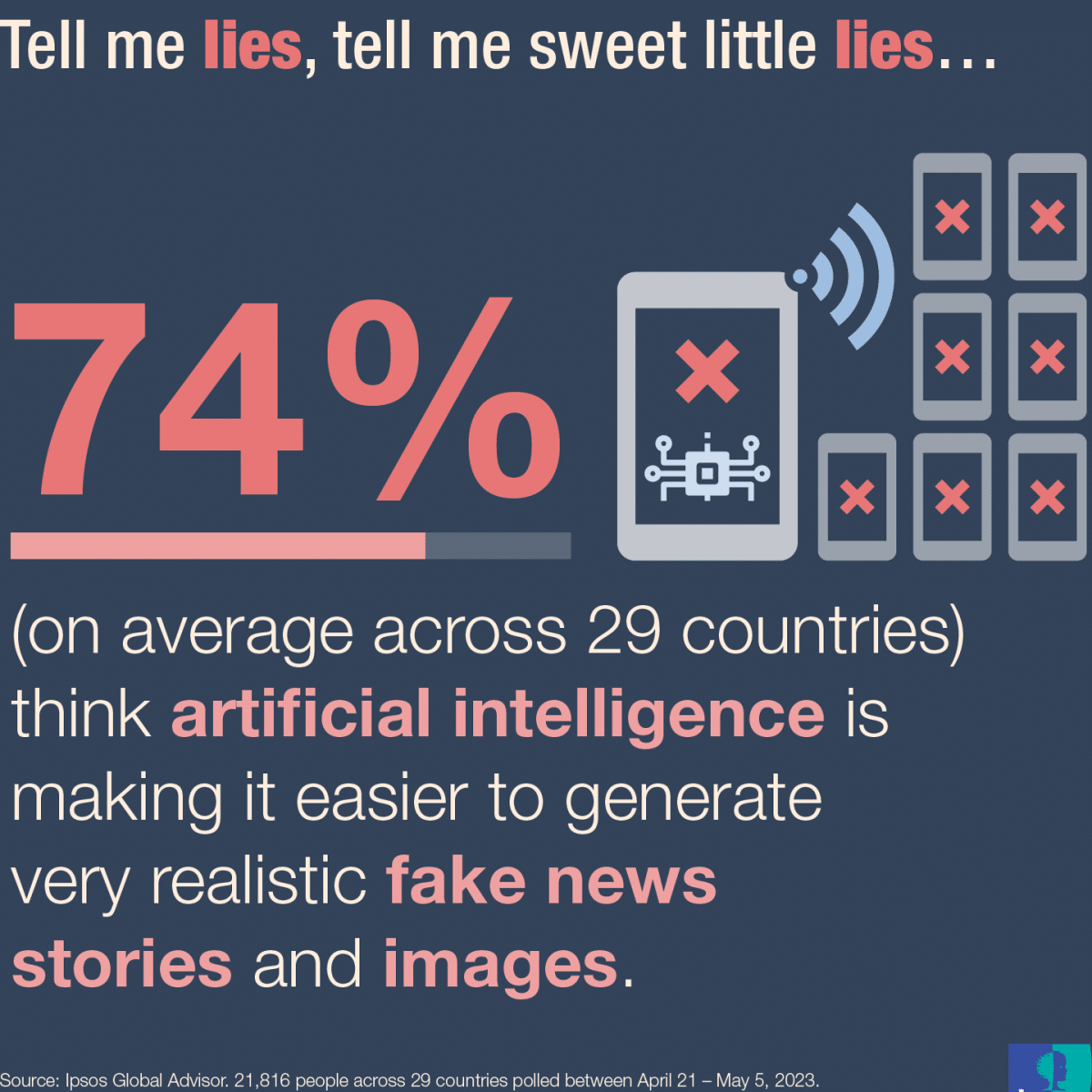
In a world where artificial intelligence is becoming increasingly prevalent, striking videos often reveal situations where governments appear to be losing control of the technologies they regulate. These visuals reveal not only the immense possibilities offered by AI, but also the challenges it poses for management and security. Ranging from spectacular to disturbing, the use of these digital tools highlights a delicate balance between innovation and regulation. With the rise of artificial intelligence, the world has seen the emergence of new forms of media, including astonishing, often viral and memorable videos. However, a major problem lies in the control of these technologies by authorities. As algorithms become increasingly sophisticated, the power of AI sometimes exceeds that of governments, posing significant challenges for regulation and security. This article examines how these striking videos reveal the moment when governments lose control of artificial intelligence, and the resulting implications. Opportunities for Evanescent Control The rapid growth of artificial intelligence has led to an exponential evolution of its capabilities. AI-generated videos are one of the most visible manifestations. Yet, governments often struggle to effectively regulate these new forms of content. The occasionswhen striking videos, manipulated by AI, escape control reinforce the urgency of reviewing current legal frameworks.Examples of uncontrollable videos Over the years, several videos created using artificial intelligence technologies have caused a stir on the global stage. These videos, whether fake news or parodies, demonstrate how unpredictable the application of AI can be. The consequences are particularly significant when these videos manipulate public opinion or distort the truth in ways that elude government regulation. Challenges for Security and Public Trust
The rise of this technology also poses serious challenges to national security and public trust. When governments are perceived as powerless in the face of AI-generated videos, it erodes citizens’ trust in institutions. The misuse of political leaders’ words through these technologies seriously undermines the cohesion of societies.Appropriate Regulation and Legal FrameworkTo counter the harmful effects of this phenomenon, it is vital that governments make progress in adapting laws and regulations. However, defining a legal framework that does not hinder innovation while ensuring safety is complex. It requires close collaboration between technology developers, legislators, and security experts to implement innovative solutions.
The role of technology stakeholders
In this context, it is essential for companies and researchers working in AI to take responsibility. By designing more transparent and ethical algorithms, technology stakeholders can help limit the reach of problematic videos. Furthermore, implementing reporting protocols and cooperating with government entities to detect dangerous content are key steps to giving authorities greater control. International collaboration Finally, a
International collaboration is crucial. Governments must work together to develop shared strategies to limit the negative impact of these technologies. Sharing information and establishing common standards can help restore some control over these advanced technologies.
