
show index hide index
- A battle of perception: AI at the heart of campaign strategies
- The power of AI in the political sphere
- Donald Trump: an expert in provocation
- Kamala Harris: fight with creativity
- When AI becomes a threat to art and creativity
- The future of political communication in the digital age
- Comparison of Election Campaign Strategies: Trump vs Kamala Harris
While the American presidential is fast approaching, political images generated by artificial intelligence are taking social media by storm. In this tough battle between Donald Trump And Kamala Harris, each camp will stop at nothing to influence voters. At the forefront of this fight, Trump, an expert in fake news, uses AI for provocative communication purposes, seeking to create gaps and reactions more than simply misinform. Between deepfakes, misrepresentations and visual manipulations, AI has become a veritable arsenal in the political arena, redefining the rules of the game for this crucial election.
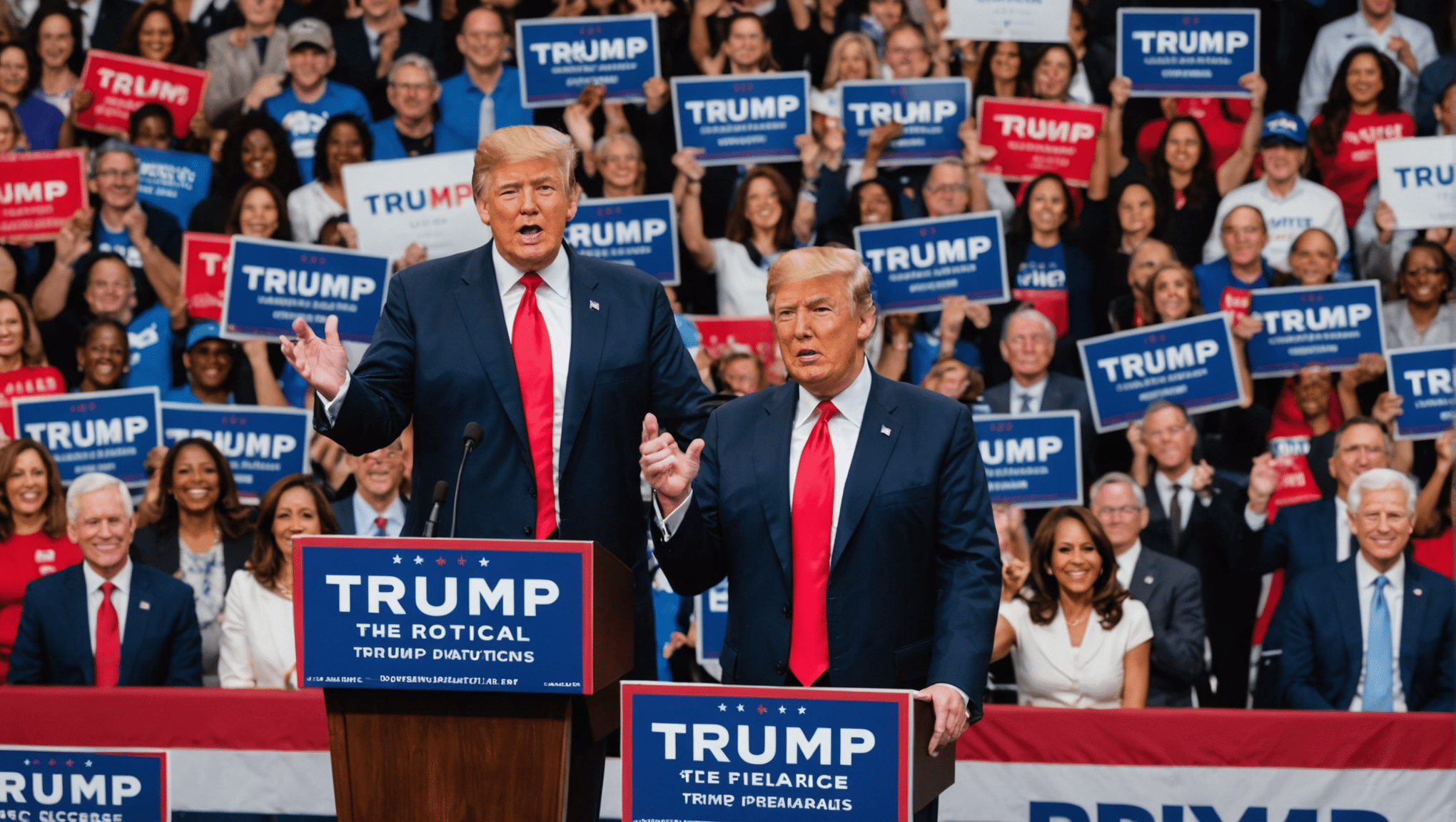
As the US presidential election approaches, the campaigns of Donald Trump and Kamala Harris are marked by the increasing use of images generated by artificial intelligence. These digital creations, on the border between realism and manipulation, are not only intended to seduce voters, but also to sow confusion in the political landscape. From misinformation to increased visibility, these images shape our perceptions of candidates, leading to debates about ethics and responsibility in political communication.
A battle of perception: AI at the heart of campaign strategies
With the rise of deepfakes, Trump and Harris are playing a dangerous game. Both camps take advantage of these sophisticated tools to portray their adversaries in an unflattering light. While Trump launches shattering accusations against Harris, insinuating that she manipulates the images to mislead the electorate, the vice-president responds by highlighting the fake news coming from the Republican camp. This balance of power takes place in a context where disinformation is becoming dangerously trendy, even almost the norm.
The power of AI in the political sphere
In two months before the vote, the intensification of the use of AI tools does not go unnoticed. Candidates are increasing their meetings by using captivating visual content which, according to studies, can influence emotions and opinions of voters. These images, whether real or artificial, seek to create an emotional connection between the candidate and the public. In this war of image, the question that arises is: how far will the candidates go to seduce voters?
Donald Trump: an expert in provocation
The Republican president will stop at nothing. His mastery of fake news relies on the clever use of AI to shape its narrative. By hammering home powerful messages using carefully crafted visual content, Trump manages to capture attention while creating buzz. It is clear that it uses artificial intelligence not only as a communication tool, but also as a weapon of diversion, often leading to strong reactions from the public.
Kamala Harris: fight with creativity
On the other side of the ring, Kamala Harris wins with a strategy that focuses on truth and transparency. Sometimes by reusing manipulated images, she opts for an approach which aims to alert public opinion to the realities of disinformation. However, this strategy is not without risks – every image released helps shape his public image, and every misstep could cost him dearly at the ballot box. It is essential to question the implications of this technological turning point in electoral campaigns.
When AI becomes a threat to art and creativity
But what happens when AI goes beyond its role as a simple tool for composing content? Crucial questions emerge, such as: is AI killing creativity? THE editors and other cultural actors do not find that this technology pushes them into a corner, replacing part of humanity with algorithms? Debates are multiplying around the impact of artificial intelligence on artistic creation, and politics is no exception.
The future of political communication in the digital age
What is certain is that the 2024 American elections will be an unprecedented testing ground. Voters should prepare for a flood of AI-generated images that seek not only to seduce, but also to manipulate. A reality that is difficult to imagine, but nevertheless there. In this era where the lines between reality and fiction fade, the debate on the ethical use of artificial intelligence in electoral campaigns is becoming more and more pressing.
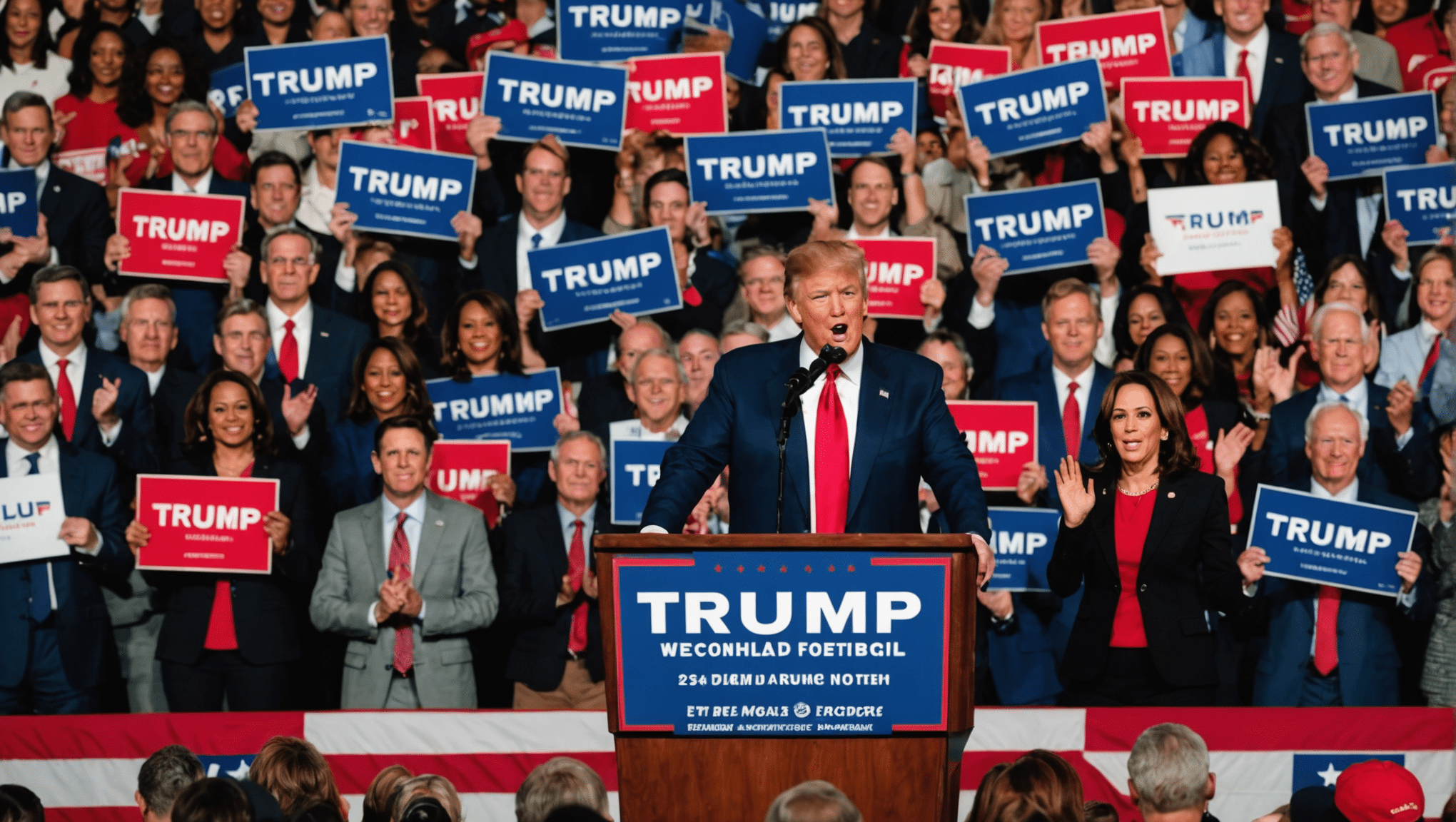
Comparison of Election Campaign Strategies: Trump vs Kamala Harris
| Criteria | Trump | Kamala Harris |
| Using AI images | Exploits deepfakes to arouse emotions and provoke reactions. | Defends itself against disinformation by denouncing falsehoods, but must manage public perception. |
| Target audience | Enthusiastic constituents seeking drama and controversy. | Slightly more aim rational, seeking to build trust. |
| Frequency of social environments | Intensive deployment on all platforms to capture attention instantly. | Uses varied channels but places more emphasis on traditional messaging. |
| Media reaction | Provocative, succeeds in creating a media buzz around his statements. | Receives critical treatment but always under surveillance to offer a counter-discourse. |
| Impact of generated images | Leads to polarize more the electorate, strengthening its bases. | Faced with fakes, its image can suffer or be strengthened depending on the reactions. |
