show index hide index
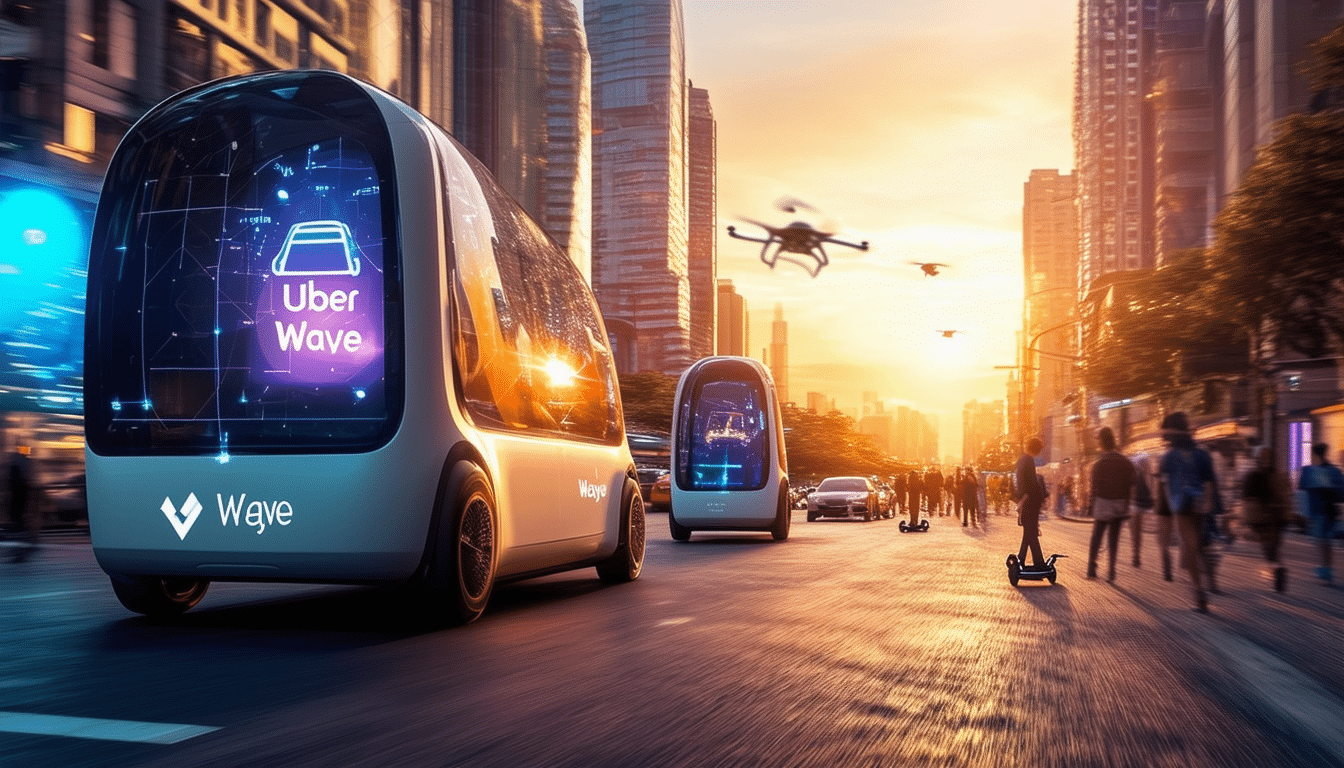
As part of its efforts to redefine the urban mobility, Uber partners with Wayve to develop level 4 autonomous vehicles. These vehicles will be able to navigate without human intervention, marking a significant step forward towards a more efficient and sustainable era of transportation. This partnership is part of Uber’s overall strategy to integrate autonomous cars on its platform and offer revolutionary mobility to its users.
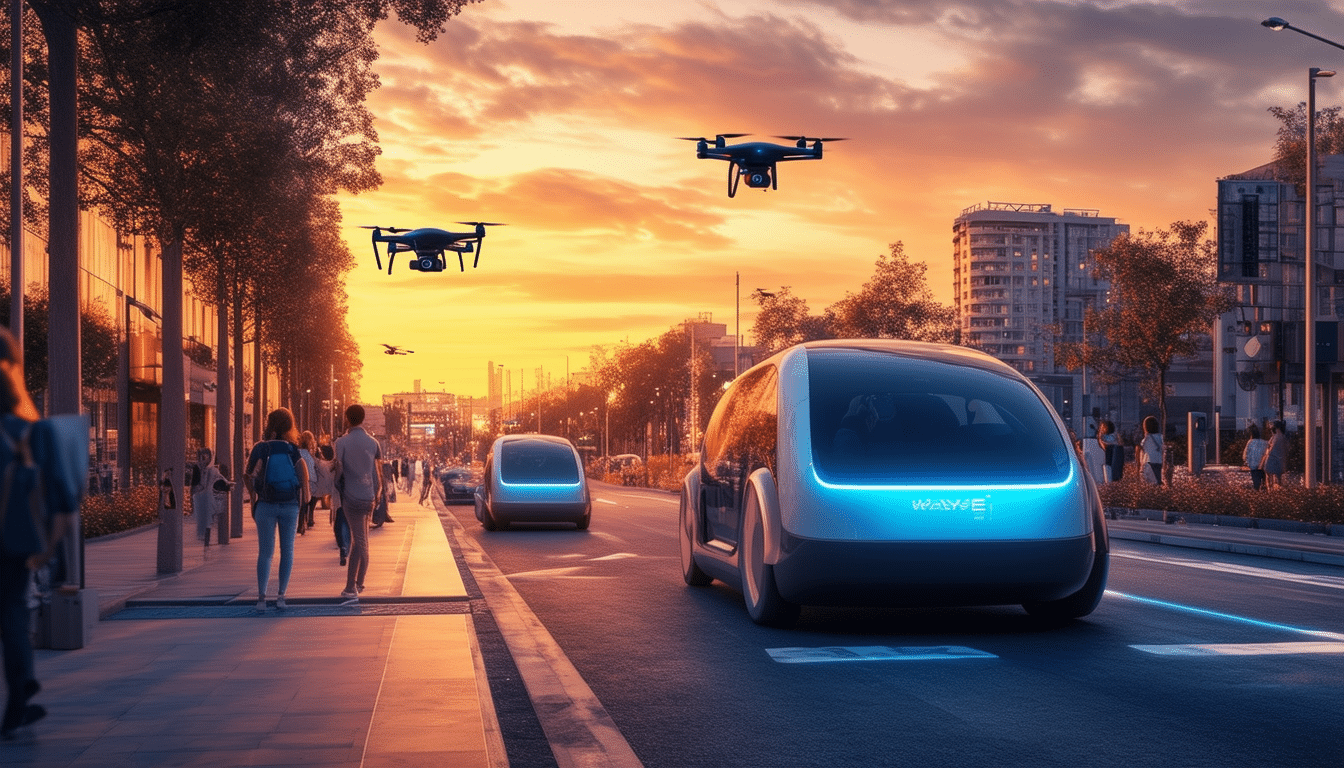
Uber, in partnership with Wayve, aims to transform urban mobility by deploying level 4 autonomous vehicles. This development promises to revolutionize the transport of people and goods, while being part of a more ecological approach. By 2025, Uber expects a significant reduction in the use of diesel vehicles in favor of electric and autonomous vehicles.
The partnership between Uber and Wayve
Uber and Wayve have partnered to develop level 4 autonomous vehicles, capable of driving without human intervention. This collaboration aims to integrate these advanced vehicles onto Uber’s platform, not only for passenger transportation, but also for goods delivery. By bringing autonomous vehicles and human drivers together on a single platform, Uber aims to provide the ideal ride for each user.
Level 4 vehicle technology
Level 4 autonomous vehicles are distinguished by their ability to operate without human intervention under defined conditions. These vehicles are equipped with sophisticated technologies, such as sensors, cameras and image processing systems, enabling safe and efficient autonomous driving. Wayve brings its expertise in artificial intelligence and computer vision to perfect these systems.
The challenges and opportunities of level 4 autonomy
The deployment of Level 4 autonomous vehicles represents a significant challenge, both technologically and regulatoryly. The integration of these vehicles into the urban environment requires appropriate infrastructure and adaptation of local regulations. However, the advantages are numerous: reduction of road accidents, optimization of journeys, and reduction of the carbon footprint.
Towards the end of drivers in 2025?
Uber is considering the possibility of gradually replacing human drivers with autonomous vehicles, which could profoundly transform the transport sector. Although this transition will not happen overnight, Uber is ready to deploy self-driving cars as soon as conditions are favorable, in collaboration with partners like Cruise.
Sustainable and ecological mobility
Alongside the adoption of autonomous vehicles, Uber places a strong emphasis on sustainable mobility. In France, the platform aims to replace 50% of its fleet with electric vehicles by 2025 and to completely eliminate diesel vehicles from 2024. These actions are part of a global plan for more environmentally friendly mobility.
The future of urban transport
Initiatives like those of Uber and Wayve are indicative of the direction that urban mobility is taking. Companies like Renault Group and Zoox are also working on autonomous and public transport solutions, developing level 4 vehicles. This global trend makes it possible to imagine a future where robotaxis and autonomous vehicles will provide a large part of urban travel.
Infrastructure preparation
To accommodate this revolution, the development of a robust infrastructure, particularly for electric vehicle charging, is essential. Significant investments are needed to create sufficiently numerous and accessible charging points, enabling widespread adoption of electric and autonomous vehicles.
In order to realize these ambitions, Uber financially supports drivers for the purchase of electric and hybrid cars. The platform offers assistance and financing to facilitate this transition to more ecological vehicles, thus allowing each partner to contribute to the mobility of tomorrow.