show index hide index
- Exceptional emotional sensitivity
- The richness of feline emotions
- Behaviors that reveal feelings
- The impacts of loss on felines
- Emotions shared with humans
- Understanding and appreciating feline emotions
- How do cats express their emotions?
- Feline moods
- Emotions and human connection
- Cats’ Emotional Experiences of Loss
- Research on feline emotions
- How to take into account our cats’ emotions?
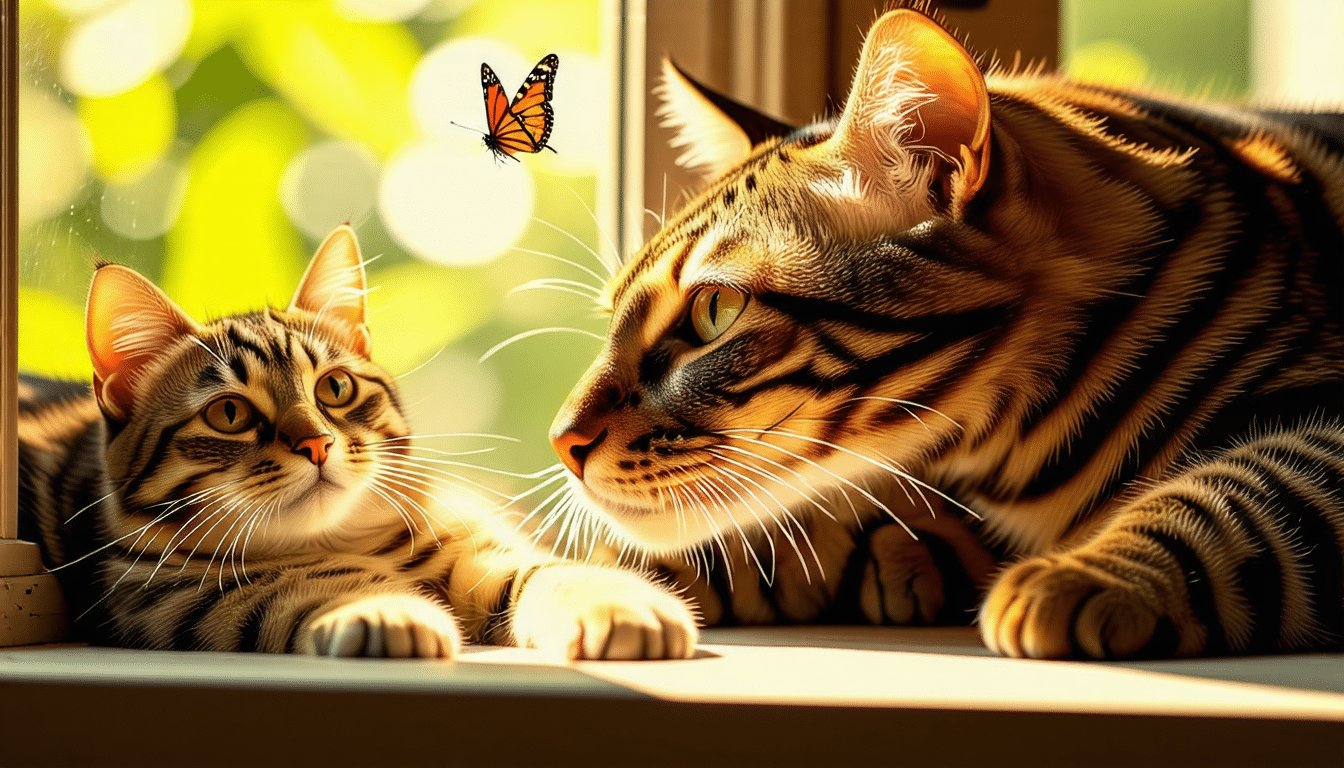
THE feline emotions are a fascinating subject that is attracting increasing interest among researchers and animal lovers. Indeed, recent studies show that some cats can experience feelings as deep as those of humans. Whether it’s joy, sadness, or even grief over the loss of a companion, these furry little beings seem to have an astonishing ability to feel and express their emotions. Through their behavior, felines reveal to us a rich and complex emotional world that deserves to be explored.
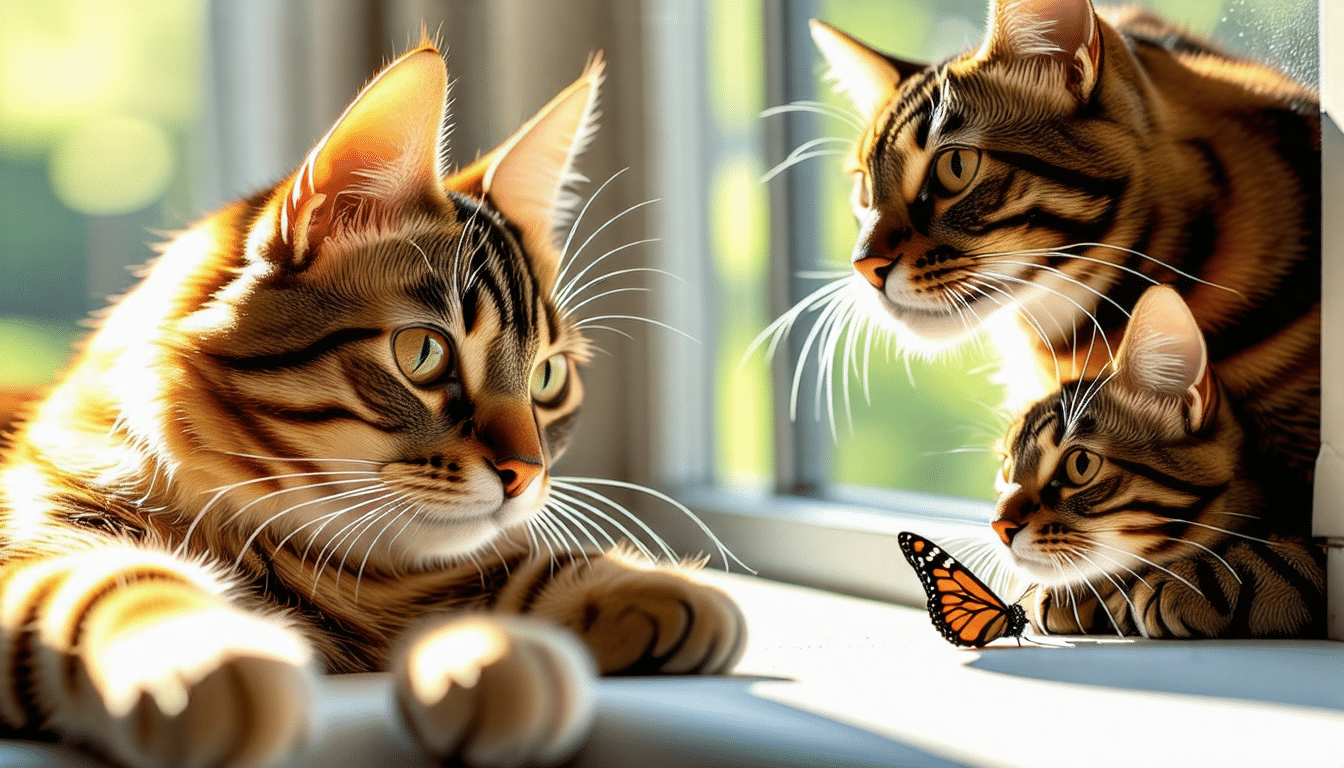
Felines, much more than simple life companions, have a rich palette of emotions and feelings. Recent scientific studies highlight the astonishing ability of cats to feel emotions similar to those of humans. Whether it’s joy, sadness or even anger, these emotions are not just instinctive reactions; they reveal a deep connection between the animal and its environment, including humans. Let’s discover together how these little creatures can experience intense feelings and how they express these emotions on a daily basis.
Exceptional emotional sensitivity
Cats often have a reputation for being aloof animals, but plenty of research shows that they are actually very sensitive to human emotions. For example, observational studies have found that felines, like Ed, a sphynx cat, are able to pick up on their owners’ emotions. They may act empathetically, seeking to comfort a human in distress or share a moment of joy. It is therefore not surprising that cats often take on the role of a emotional sponge, absorbing and reflecting the feelings of those around them.
The richness of feline emotions
Cats, like humans, are not limited to feeling just one emotion at a time. They can experience a real range of emotions, from joy to the sadness, passing through the anger, there fear and even the disgust. Each emotion manifests itself in a unique way. For example, a happy cat may meow happily and rub up against us, while a sad cat may retreat into a corner. Understanding these nuances helps us interact better with our four-legged friends.
Behaviors that reveal feelings
Felines don’t need words to express what they feel. They use their body language as an effective means of communication. A playful cat may run and play enthusiastically, while a frightened cat may hide or make plaintive meows. Gestures like rubbing against us or purring reinforce the idea that our furry friends truly feel emotions. This calming behavior may also indicate that the cat is trying to comfort us in return.
The impacts of loss on felines
It is also essential to note that cats are not insensitive to losses. They can truly feel the grief and sadness following the loss of an animal companion or even their human. Changes in behavior, such as a decrease in activity or disinterest in games, can be clear indicators of their emotional pain. Science teaches us that these sentient beings face their own grieving processes.
To read 15 SHOCKING Questions to Uncover Someone’s Deepest Secret
Emotions shared with humans
The ability of cats to feel human emotions is all the more striking. If we feel angry or sad, our cat is likely to notice it and react accordingly. This sparks unique relationships where animal and human navigate together through a whirlwind of shared emotions. Thus, a cat can become a real emotional ally, capable of supporting us in difficult times of our lives.
Understanding and appreciating feline emotions
To foster a harmonious relationship with our felines, it is essential to understand their emotions. Knowing the signs of joy or sadness can help us meet the emotional needs of our companions. Tools such as meditation and emotion management can also improve our interaction with them, as these methods highlight. better manage your emotions in everyday life.
Ultimately, felines are empathetic and emotional creatures who deserve to be recognized for the deep feelings they experience. By taking the time to observe and understand these behaviors, we can enrich our bond with these adorable furry friends.
Recent scientific studies shed light on the emotional capacities of cats. Indeed, these little companions are not content to be silent observers. They appear to feel emotions similar to those of humans, including grief, there joy, there anger, and even the sadness. Find out how these emotions manifest in our four-legged friends and what this means for their relationship with us.
How do cats express their emotions?
THE cats have their own way of expressing what they feel. Each emotion results in distinct behaviors. For example, when a cat feels happy, it may purr, rub against you, or even play enthusiastically. On the other hand, a cat expresses its sadness becoming more withdrawn, reducing their activity, or meowing to get your attention.
Feline moods
THE cats may also show signs ofanxiety or stress when they are confronted with changes in their environment. Whether it’s a new piece of furniture in the room or the arrival of a new pet, these changes can transform their behavior. Their capacity for adaptation is remarkable, but it is not without limits.
Emotions and human connection
Cats seem to have an astonishing perception of human emotions. This has been confirmed by studies where they respond to specific vocal tones or even our body language. So, when their owner is sad, it is common to see the cat approach with a calming attitude. This behavior shows their ability to offer comfort instinctively.
Cats’ Emotional Experiences of Loss
It is fascinating to note that cats can feel the sorrow faced with the loss of a companion, whether human or animal. Observed studies suggest that felines may show signs of prolonged depression after the loss of a friend. This raises questions about their perception of dead and the way they deal with grief.
Research on feline emotions
Research on human and animal emotions has progressed significantly. Scientists are trying to decipher the behavior of cats and other animals. For example, recent studies show that cats can react to emotions humans, which proves that they are less insensitive than previously thought. These findings challenge our understanding of the bonds we have with our pets.
How to take into account our cats’ emotions?
It is important for all owners of cats to take their emotional needs into consideration. Understanding their feelings can help improve their quality of life. Experts suggest spending more time interacting with them, observing their behaviors and trying to create a calm environment that respects their emotional sensitivity. For example, providing a calm and safe space can greatly help them manage their anxiety.
By investing time and energy into understanding the emotions of our cats, we can strengthen our bond with them and enable them to lead a happy and balanced life. Each shared moment thus becomes an opportunity to learn to better understand their feelings and to cherish their presence in our lives.
