show index hide index
- What is a self-correcting system?
- How does a self-correcting system work?
- The advantages of a self-correcting system
- Examples of self-correcting systems
- The advantages of self-correcting systems in industry
- Improved quality and productivity
- Reduced costs and waste
- Increased safety in the workplace
- What is the impact of self-correcting systems on productivity?
- Reduced downtime
- Quality improvement
- Process optimization
- Cost reduction
- The challenges and limitations of self-correcting systems in industry
- 1. Complexity of systems
- 2. System reliability
- 3. Technical limitations
- 4. Training and expertise required
What is a self-correcting system?
A self-correcting system is a computer or mechanical system that is capable of automatically detecting and correcting errors and problems. It is a smart device that uses sensors and algorithms to constantly monitor its operation and make adjustments when necessary. The main objective of such a system is to maintain optimal performance and improve the reliability of machines and processes.
How does a self-correcting system work?
A self-correcting system uses sensors to collect data on various parameters such as vibration, temperature, pressure, etc. This data is then analyzed in real time by intelligent algorithms that compare current values with target values or predefined standards. If a deviation is detected, the system automatically triggers corrective actions to bring the parameters within acceptable limits.
The advantages of a self-correcting system
Self-correcting systems offer a multitude of benefits in many industrial areas. Here are some of the main benefits:
1. Reduced downtime: By proactively detecting and correcting problems, a self-correcting system helps minimize unplanned downtime and maximize machine availability.
2. Quality Improvement: Through constant monitoring and real-time adjustments, a self-correcting system can ensure optimal product or process quality.
3. Reduced maintenance costs: By preventing problems before they become critical, a self-correcting system reduces the costs associated with preventive and corrective maintenance.
4. Increased equipment life: By allowing early detection of failures and rapid correction of anomalies, a self-correcting system helps extend the life of equipment.
5. Performance Optimization: By automatically adjusting parameters based on changing conditions, a self-correcting system helps optimize machine and process performance.
Examples of self-correcting systems
Self-correcting systems are widely used in many industrial sectors. Here are some examples:
1. Automotive: Modern cars are equipped with self-correcting systems such as traction control, stability control and anti-lock braking (ABS) to ensure safe and optimal driving.
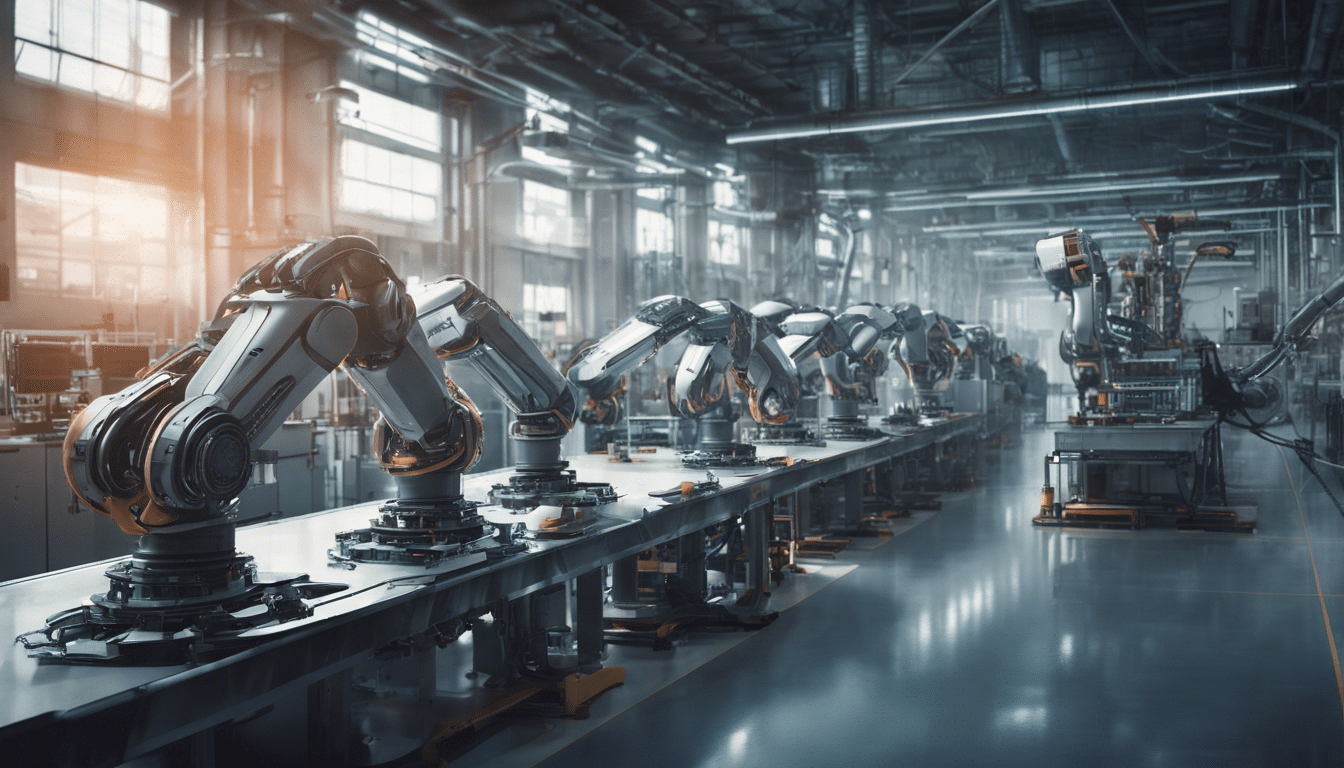
2. Manufacturing: Machines and robots used in industrial production often incorporate self-correcting systems to ensure precise and efficient manufacturing processes.
3. Energy: Power generation systems, such as wind turbines and power plants, use self-correcting systems to optimize performance and ensure reliable power production.
4. Health: Medical devices such as heart monitors and ventilators incorporate self-correcting systems to continuously monitor patients’ vital signs and adjust settings as needed.
In conclusion, a self-correcting system is a valuable asset in the industry to improve reliability, quality and efficiency. Through constant monitoring and automatic problem correction, these systems ensure optimal performance and reduce unplanned downtime. Whether in automotive, manufacturing, energy or healthcare, self-correcting systems play a crucial role in process optimization and user satisfaction.
The advantages of self-correcting systems in industry

Improved quality and productivity
Self-correcting systems are essential tools in industry to improve product quality and manufacturing process productivity. With these systems, errors can be detected quickly and corrected immediately, avoiding wasted time and resources associated with quality issues.
Self-correcting systems use advanced sensors and software to monitor different aspects of production processes in real time. These sensors are able to detect anomalies and report them to the central system, which then triggers the necessary corrections. This helps minimize manufacturing defects and optimize equipment performance.
Thanks to this ability to detect and correct errors, self-correcting systems help improve the overall quality of finished products. This results in greater customer satisfaction, reduced returns of defective products and increased consumer confidence.
In addition, the use of self-correcting systems makes it possible to optimize the productivity of production processes. By detecting errors quickly, production downtime is reduced, helping maintain a continuous workflow. This results in increased production capacity and reduced costs associated with unplanned production downtime.
To read Invisible AI Resume Builder Review: The Revolution in Resume Creation
Reduced costs and waste
Self-correcting systems also contribute to cost and waste reduction in the industry. By detecting errors as soon as they occur, these systems help minimize loss of raw materials and necessary rework.
By identifying quality issues early, self-correcting systems enable operators to take immediate action to resolve them. This reduces the amount of wasted raw materials and avoids the costs of rebuilding or reprocessing defective products.
Additionally, self-correcting systems save time and money by avoiding recurring errors. By identifying the underlying causes of errors, these systems help put permanent corrective action in place, reducing the chances of problems recurring.
By reducing waste and costs associated with production errors, self-correcting systems enable companies to increase their profitability and market competitiveness.
Increased safety in the workplace
Another benefit of self-correcting systems in industry is increased safety in the workplace. These systems make it possible to quickly detect dangerous conditions and take preventative measures to avoid accidents.
By continuously monitoring production operations, self-correcting systems can detect anomalies that could compromise worker safety. For example, they can detect machine overheating, excessive pressure, or safety equipment failure.
With these preventive alarms, operators can take immediate action to avoid accidents and ensure worker safety. This helps reduce the number of workplace accidents and creates a safer and healthier working environment.
In conclusion, self-correcting systems offer many advantages in the industry. They improve product quality, increase productivity, reduce costs and waste, and enhance workplace safety. By investing in these systems, businesses can improve their competitiveness and profitability, while ensuring customer satisfaction and worker safety.
What is the impact of self-correcting systems on productivity?

In the world of industry, productivity is a key element to ensure the competitiveness and success of a company. Self-correcting systems, also known as autonomy systems, play a crucial role in optimizing processes and improving overall productivity. These systems are designed to automatically detect and resolve potential issues, minimizing downtime and errors. In this article, we’ll explore the impact of these systems on productivity and how they can help a business grow.
Reduced downtime
One of the main benefits of self-correcting systems is the significant reduction in machine and equipment downtime. Through continuous monitoring and rapid identification of potential issues, these systems can proactively intervene to prevent major outages and problems. This saves valuable time and ensures continuous, uninterrupted production. Preventive maintenance tasks can also be scheduled more efficiently, reducing planned downtime.
Quality improvement
Self-correcting systems also contribute to improving product quality. They can quickly detect defects or production errors and correct them immediately. This avoids the production of defective or non-conforming products, which can lead to additional costs and delays in production. By ensuring consistent, high quality, these systems contribute to customer satisfaction and company reputation.
Process optimization
Self-correcting systems also enable optimization of production processes. By monitoring machine and equipment performance in real time, they can identify inefficiencies and suggest adjustments to maximize efficiency and productivity. Self-correcting systems can also analyze production data to identify trends and patterns, allowing businesses to make informed decisions to improve performance.
Cost reduction
By reducing unplanned downtime, improving quality and optimizing processes, self-correcting systems contribute to a reduction in overall costs for the business. Production interruptions can cause significant financial losses, while defective products can result in replacement and repair costs. By minimizing these risks and improving efficiency, self-correcting systems allow businesses to save money and increase profitability.
Self-correcting systems have a considerable impact on the productivity of industrial companies. By reducing downtime, improving quality, optimizing processes and reducing costs, these systems contribute to more efficient and profitable production. By investing in self-correcting systems, businesses can improve their competitiveness and long-term success. It is therefore essential for businesses to understand the importance of these technologies and integrate them into their daily operations to maximize their productivity and growth.
To read TruthScan vs. Undetectable AI: Can it outperform AI humanizers?
The challenges and limitations of self-correcting systems in industry

In modern industry, the use of self-correcting systems has become increasingly common. These systems enable machines and equipment to automatically detect and correct potential errors or problems, helping to improve operational efficiency and reduce costly downtime. However, despite their many advantages, these self-correcting systems are not without challenges and limitations.
1. Complexity of systems
Implementing self-correcting systems requires a high level of technical complexity. The sensors, software and algorithms needed to detect and remedy problems can be expensive to develop and integrate into existing equipment. Additionally, coordinating these systems with other components of the business can be a challenge in itself. Self-correcting systems must be able to integrate into complex production environments and communicate with other systems, which can be a difficult process and requires specialist expertise.
2. System reliability
The reliability of self-correcting systems is another important challenge. Although these systems are designed to detect and resolve problems in real time, there may be situations where errors are not detected or corrected properly. This can lead to larger problems or even complete system failure. It is essential that self-correcting systems are regularly tested and maintained to ensure their reliability.
3. Technical limitations
Self-correcting systems also have certain technical limitations. For example, there may be limitations related to the types of problems they are able to detect and correct. Some issues, such as major hardware failures, may require human intervention or more complex repairs. Additionally, self-correcting systems may be limited by the capabilities of the sensors and software used, which may limit their effectiveness in certain situations.
4. Training and expertise required
Using self-correcting systems also requires specialized training and expertise. Operators and technicians must be trained in the use of these systems and their regular maintenance. Additionally, it may be necessary to bring in external experts for some more complex tasks related to self-correcting systems. This may result in additional costs and requires appropriate human resource management.
Self-correcting systems offer many benefits in industry, including operational efficiency and reduced downtime. However, they are not free of challenges and limitations. Technical complexity, reliability, technical limitations, and training and expertise requirements are all factors to consider when implementing self-correcting systems. Despite these challenges, with proper planning and attention to these factors, self-correcting systems can bring significant improvements to industrial operations.
