show index hide index
Minimalism in decoration, a popular trend
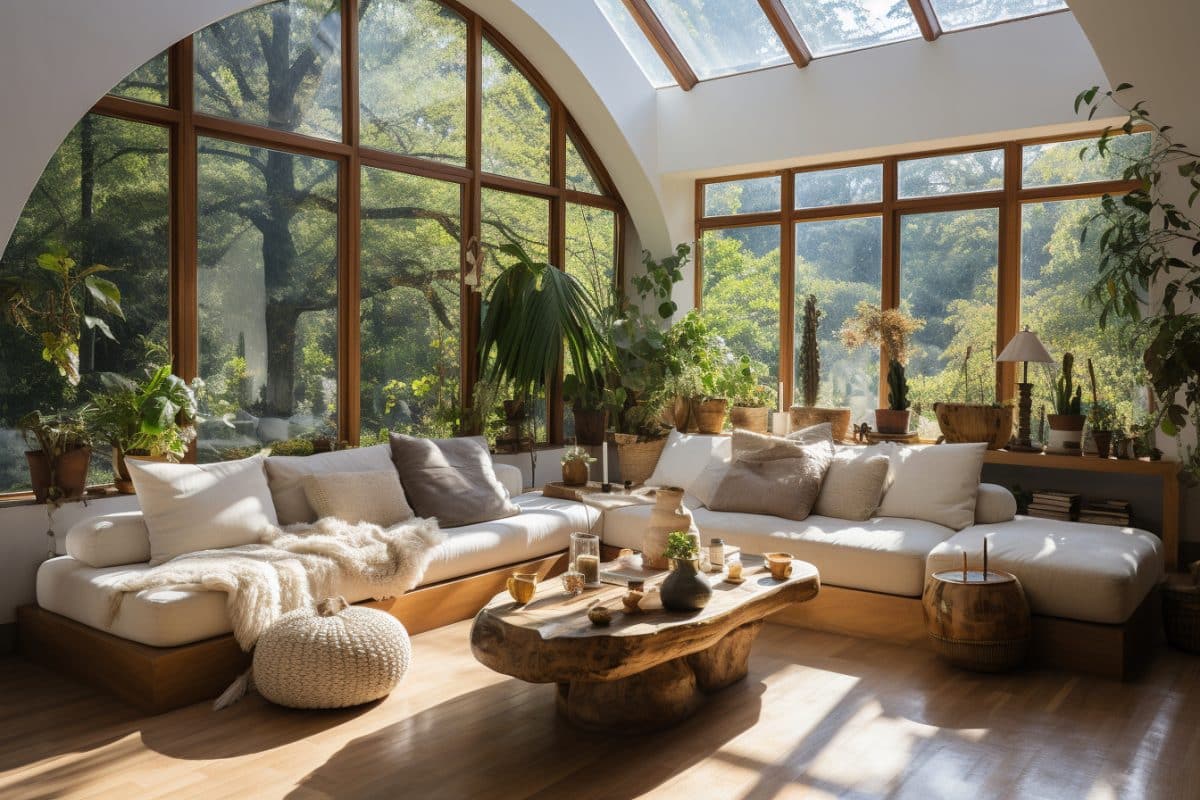
In recent years, minimalism has established itself as a real trend in the world of decoration. The principle of “less is more”, or less is more in French, consists of reducing the quantity of objects present in your interior in order to concentrate on the essentials. This refined decoration often goes hand in hand with functional furniture and neutral shades, such as white, gray or even beige.
The origins of minimalism in decoration
- Inspired by minimalist art and Scandinavian design, this trend advocates simplicity and functionality above all else.
- Its appearance coincides with a growing need to get back to basics, in the face of an ever more consumerist and cluttered society.
- Minimalism then takes on an ecological and anti-waste dimension, encouraging people to own fewer material goods and to favor quality rather than quantity.
In this context, it is not uncommon to see minimalist interiors praised for their calming virtues and their positive impact on the mental health of their occupants. But what is it really? Is “less is more” really beneficial for our well-being?
The benefits of minimalism on mental health
There is no denying some positive aspects of minimalist decor for mental health:
- A clean environment : A minimalist interior promotes order and cleanliness, reducing stress related to clutter and disorder.
- Fewer distractions : by limiting the number of objects present in your living space, you reduce sources of distraction and make it easier to concentrate.
- Better time management : owning fewer objects also means spending less time cleaning them, maintaining them or simply looking for what you need.
- A feeling of control and autonomy : choosing to live with less allows you to feel more in control of your life and your possessions, rather than feeling overwhelmed by them.
However, it is important to qualify these benefits and take into account the potential harmful effects of minimalism on mental health.
The risks of minimalism for mental health
Adopting minimalist decoration can also have negative consequences on our well-being:
- Social pressure : the minimalist trend can create pressure to have a “perfect” interior that conforms to the images conveyed on social networks, which can be a source of stress and discomfort.
- The erasure of personality : a space that is too refined and uniform can give the impression of an absence of human warmth and not reflect the personality of its occupants. It is important to keep objects that are meaningful and make us happy, even in a minimalist decoration.
- A feeling of permanent dissatisfaction : by constantly seeking to possess less, we can develop an obsession with emptiness and bareness, to the detriment of our well-being and our pleasure in living in our space.
Ultimately, it seems that minimalism can have both a positive and negative impact on our mental health, depending on how it is adopted and experienced.
The secret to balanced minimalism
To enjoy the benefits of minimalism without falling into its traps, a few tips can be put in place:
To read 5 Miracle Techniques to ABSOLUTELY Do When Your Morale is at Zero!
- Find your own balance : rather than blindly following the minimalist trend, it is essential to find what works for you and adapt your decoration according to your needs and desires.
- Don’t compare yourself to others : Each person has their own vision of minimalism and what suits them. It is important not to be influenced by the images conveyed on social networks and to stay true to yourself.
- Prioritize quality of life : beyond aesthetics, minimalism must above all serve to improve our well-being in our interior. We must therefore ensure that we maintain a functional and pleasant space to live in, with objects that have real usefulness or emotional value for us.
Minimalism in decoration can have a beneficial impact on our mental health, by promoting a clean and orderly environment. However, it is crucial to find your own balance between “less is more” and preserving your personality and your needs. To do this, it is essential to listen to yourself and not give in to the social pressure linked to this trend.
