How Artificial Intelligence is quietly revolutionizing everyday office life
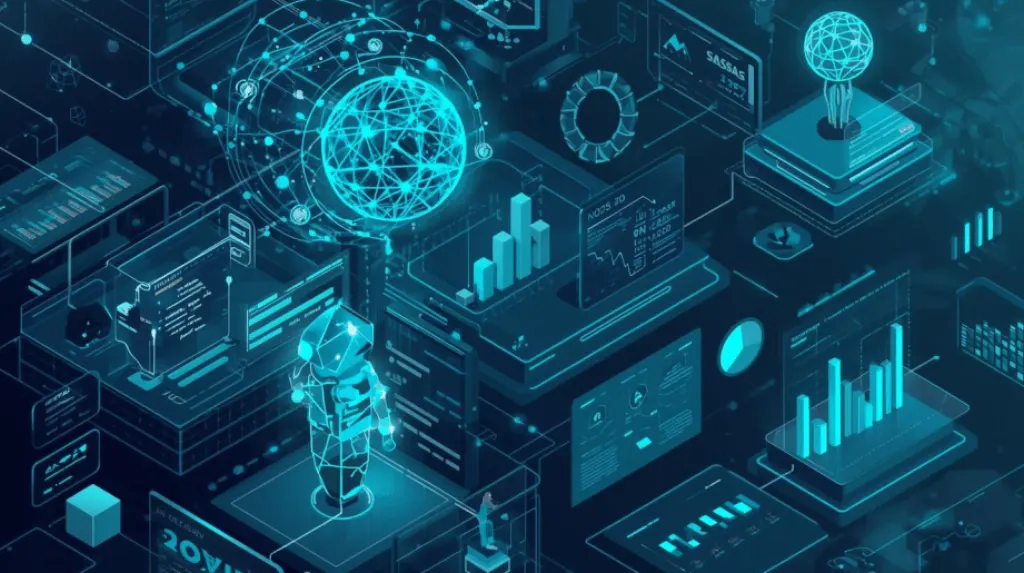
In the landscape of modern offices, the integration of artificial intelligence (AI) often goes unnoticed, yet it generates considerable transformations. Thanks to its automation capabilities, AI is redefining administrative tasks such as data entry and email management, freeing up time for more strategic activities. From simplifying repetitive tasks to predictive analytics, AI is subtly permeating various work processes, positively impacting the efficiency and productivity of professionals.The gradual introduction of artificial intelligence (AI) into work environments is profoundly transforming daily office life. From routine tasks to complex responsibilities, AI intervenes at various levels to improve the efficiency, accuracy, and even work-life balance of employees. In this article, we will explore how these technologies are infiltrating workspaces and bringing about changes that are sometimes imperceptible but significant. Automation of Repetitive Tasks One of the main benefits of AI in the office is the automation of repetitive tasks. For example, in accounting, AI applications can now automatically enter bank statements and scan invoices. This frees employees from these tedious tasks, allowing them to focus on more analytical and creative work. Improved Internal Communication AI tools like chatbots have revolutionized how members of an organization communicate with each other. These virtual assistants can handle simple requests, schedule meetings, and ensure seamless communication between different departments. Thanks to them, employees can instantly access the information they need while minimizing interruptions.
Decision SupportAI also plays a crucial role in strategic decision-making. By analyzing vast amounts of data, it helps identify trends, predict future developments, and provide data-driven recommendations. This empowers leaders to take informed action, reducing the risk of human error. Personalized Work Experience
Advanced AI can personalize the work experience for each individual, optimizing the ergonomics of digital spaces and designing user interfaces tailored to each employee’s preferences. This kind of personalization fosters a harmonious work environment and increases well-being within the company.
Psychological and Social Impact While the adoption of AI offers numerous advantages, it also raises questions about its potential impact on job security and professional responsibility. As creative and intellectual professions are affected by automation, continuous training and skills development become key issues in addressing these transformations.
Towards an Integrated Future
In conclusion, it is clear that Artificial Intelligence continues to quietly restructure daily office life. While it brings numerous efficiency gains, it also leads us towards new work models that require social and professional adaptation. The future of work promises to be a space for dialogue between humans and machines, where AI is positioned as an asset rather than a competitor.
Notez cet article
Read next
 AI news
The EU is arming itself against artificial intelligence: What secrets are hidden behind the office of experts that is revolutionizing everything?
The European Union is intensifying its efforts to regulate , raising questions about the secrets of the expert office…
 AI news
How is artificial intelligence revolutionizing life saving at Le Havre hospital?
is now revolutionizing the saving of lives at Le Havre hospital, offering new perspectives and considerable advances.…
Dell is saying out loud what many are thinking quietly: AI is confusing them more than anything else at CES 2026
At CES 2026, while was the star of the show, Dell took a different approach by acknowledging what many have been…
 AI news
% of employees are quietly using AI, Microsoft study reveals: What about you?
A veritable time bomb is ticking in companies. A recent study by Microsoft reveals that nearly three quarters of…