Myths and realities of artificial intelligence in the world of work
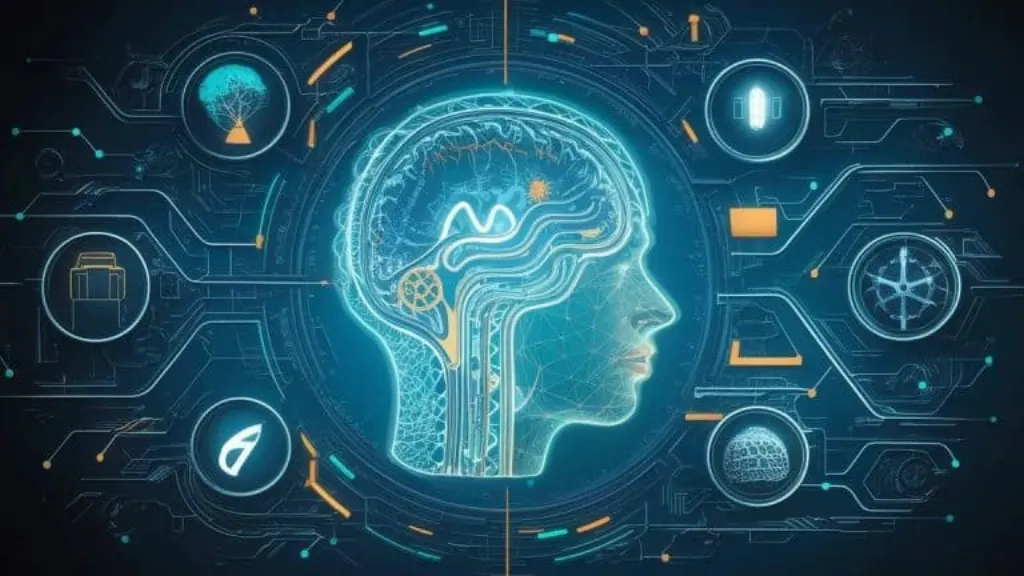
In the modern world, the rise of artificial intelligence opens new perspectives and raises many questions, particularly in the professional sphere. As this technology advances rapidly, it is crucial to debunk the many myths surrounding it and understand its realities. Far from being an omnipotent entity capable of replacing humans in all circumstances, AI presents itself as a powerful tool, capable of being integrated into various sectors to optimize processes and improve performance. Exploring the benefits, fears, and future prospects of artificial intelligence in the workplace is essential to understanding its true impact. Through this insight, let’s discover how AI is reinventing jobs without annihilating human potential. Artificial intelligence (AI) is revolutionizing many sectors, including the workplace. However, it is still surrounded by many misconceptions that complicate its understanding. This article explores the main myths and realities of AI in the workplace, discussing the challenges and future prospects of this essential technology.Myth: AI will replace all human jobs One of the most common myths is that AI will lead to the massive disappearance of jobs. Although automation may reduce the need for certain human tasks, AI is primarily designed to complement human skills. Paradoxically, the emergence of AI may create new job categories, particularly in software development, robot supervision, and data processing. Reality: AI is transforming the workplace There’s no denying that AI is changing the way we work. It optimizes processes, improves efficiency, and fosters innovation. Technologies such as machine learning and natural language processing make it possible to process massive volumes of data with unparalleled accuracy. As a result, AI frees up time for more strategic and creative tasks. Myth: AI is infallibleAnother misconception is that AI never makes mistakes. In reality, AI algorithms are based on training data that can contain biases. AI errors often stem from incomplete design and deployment. Therefore, it’s essential to regularly monitor and correct the operation of AI systems to ensure accuracy.
Reality: AI requires human oversight
Artificial intelligence is not a substitute for human judgment. AI-based decisions must be evaluated to ensure they properly meet their intended objectives. Human oversight is crucial for interpreting machine-generated results, especially in sensitive sectors such as medicine, finance, and human resources.
Myth: Only large companies can afford AI The idea that AI is only accessible to large corporations is another persistent myth. Thanks to innovations in cloud computing and open source, AI is increasingly accessible to small and medium-sized businesses, allowing them to take advantage of the efficiency and competitiveness gains it offers. Reality: AI is democratizing access to technology
AI technologies are increasingly available as off-the-shelf solutions. This democratization allows companies of all sizes to integrate this technology into their operational processes, thus promoting a
global digital transformation. AI is thus becoming a powerful lever to stimulate innovation and growth at all levels.
Notez cet article
Read next
The AI bubble will burst in 2026: Myths and realities to debunk
At the heart of heated economic debates, the bursting of the AI bubble in 2026 is generating a lot of discussion.…
Artificial intelligence: when the technological revolution transforms the world of work
represents a major technological advancement, redefining the contours of the job market. Beyond the already impressive…
 AI news
AI was supposed to transform the world of work, but it’s mostly just increased workload for limited rewards.
While was heralded as a revolution capable of transforming the world of work, the reality is quite different. The…
 AI news
Artificial intelligence will transform the world of work by 2030: Google calls for young people to be prepared
By 2030, will not just be a trend; it will become the norm, redefining the world of work as we know it. Demis Hassabis,…