Negative impact of porn on the brain revealed by AI
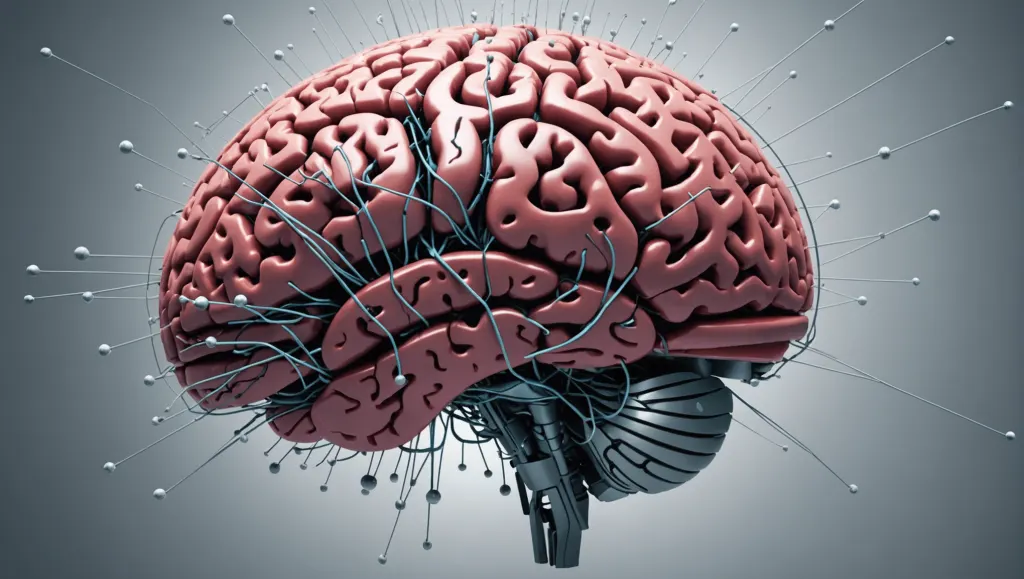
The proliferation of online pornography raises questions about its impact on the human brain. Thanks to advances in artificial intelligence, researchers have been able to shed light on the negative effects that excessive consumption of pornographic content can have on our mental health.
Pornography has become omnipresent in our modern society, assimilated into morals with worrying ease. According to a recent IFOP study, 55% of French people have already visited an adult site, and this figure rises to 74% among men. However, regular consumption of pornographic content can have devastating effects on the brain and psyche.
A recent study, published in the Journal of Psychopathology and Clinical Science, warns of the severe repercussions of excessive pornography consumption. By analyzing 74 datasets with the help of Artificial Intelligence and Machine Learning, researchers identified the main risks associated with this conduct.
The term “Problematic Pornography Use” (PPU) refers to uncontrollable consumption that causes distress and functional impairment. Around 38% of adults and up to 14% of adolescents are likely to face this problem. Understanding risk factors is essential for prevention and treatment.
Using AI-powered data analysis models, researchers were able to include hundreds of potential risks and protective factors in their study. This made it possible to provide an accurate estimate of the psychological impacts.
This study echoes previous work showing that pornography use can structurally change the brain and affect social relationships. The severity of these repercussions is such that compulsive sexual behavior disorders, including PPU, have been recognized in the 11th revision of the International Classification of Diseases.
The influence of pornography on the brain and its impact on young people deserves special attention. Prevention strategies and healthier emotional coping mechanisms are needed to counter the harmful effects of excessive pornography consumption.
By Edouard, 37 years old, passionate about Machine Learning.
Introduction to the Problem
There pornography has become omnipresent in our modern society, assimilated into customs with worrying ease. According to a recent study by theIFOP, 55% of French people have already visited an adult site, and this figure rises to 74% among men. However, regular consumption of pornographic content can cause devastating effects on the brain and psyche.
Psychological and Cognitive Consequences
A recent study, published in the Journal of Psychopathology and Clinical Science, warns of the severe repercussions of excessive consumption of pornography. By analyzing 74 datasets with the help of**Artificial intelligence** and of Machine Learning, researchers have identified the main risks associated with this conduct.
Problematic Use: Statistics and Risks
The term « Problematic Use of Pornography« (PPU) refers to uncontrollable drinking that causes distress and functional impairment. Approximately 38% of adults and up to 14% of adolescents are likely to experience this problem. Understanding the risk factors is crucial for prevention and treatment.
Data Analysis By AI
Thanks to the models ofAI-based data analysis, the researchers were able to include hundreds of potential risks and protective factors in their study. This made it possible to provide an accurate estimate of the psychological impacts.
Identified Risk Factors
- Frequency of pornography use: The more frequently they use pornographic content, the more likely individuals are to have PPU.
- Emotional avoidance: Using pornography to escape stress or anxiety increases risk.
- Moral incongruence: The internal conflict between pornography use and personal beliefs favors PPU.
This study echoes previous work showing that the use of pornography can structurally alter the brain and affect social relationships. For more information, see this article from West France.
Societal Implications
The seriousness of these repercussions is such that compulsive sexual behavior disorders, including PPU, were recognized in the 11th revision of the International Classification of Diseases.
The influence of the pornography on the brain and its impact on young people deserves particular attention. Find more information on this subject in this article from Opinion.
Comparison of Effects according to Data
Essential Points to Remember
- Excessive use of pornography can lead to serious psychological problems.
- There is a need to develop prevention strategies and healthier emotional coping mechanisms.
- Frequency of use and emotional avoidance are among the main risk factors.
FAQs
What is problematic pornography use (PPU)?
PPU refers to uncontrollable consumption of pornography, leading to distress and notable functional impairment.
What are the main risk factors for PPU?
Factors include frequency of use, emotional avoidance, and moral incongruence.
Why is AI used to study the impact of pornography?
AI makes it possible to examine complex and massive data to identify potential risks and protective factors.
Are men more likely to develop PPU?
Yes, but this study shows that gender is not the most important predictor.
What are the societal implications of this study?
Recognition of compulsive sexual behavior disorders and the implementation of prevention and treatment strategies.
Notez cet article
Read next
 AI news
The negative impact of artificial intelligence: acceleration of ecological crises, exacerbation of inequalities and strengthening of domination
The rise of is attracting growing interest due to its potential implications in various sectors. However, its massive…
 AI news
The dark reality revealed by Google: the destructive impact of AI on the Internet
In a world increasingly dependent on digital technologies, represents a major advance but also raises ethical and…
Le guide ultime des negative prompts sur ArtSpace AI : maîtrisez vos créations numériques
Plongez dans l’univers fascinant du avec notre guide ultime sur les negative prompts sur ArtSpace AI. Dans un paysage…
DeepFake porn: Elon Musk dispels the controversy by making his AI accessible only via paid subscription
The media storm is intensifying around the deepfake porn generated by Grok, Elon Musk’s tool. In a context where…