Olympic Games 2024: a revolutionary Swiss watch to monitor athletes’ performances in real time
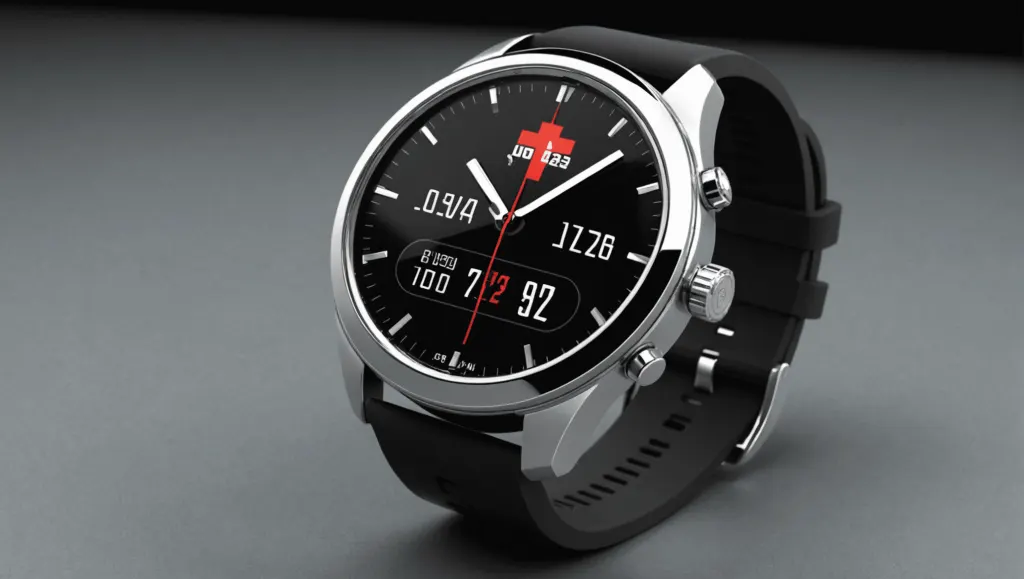
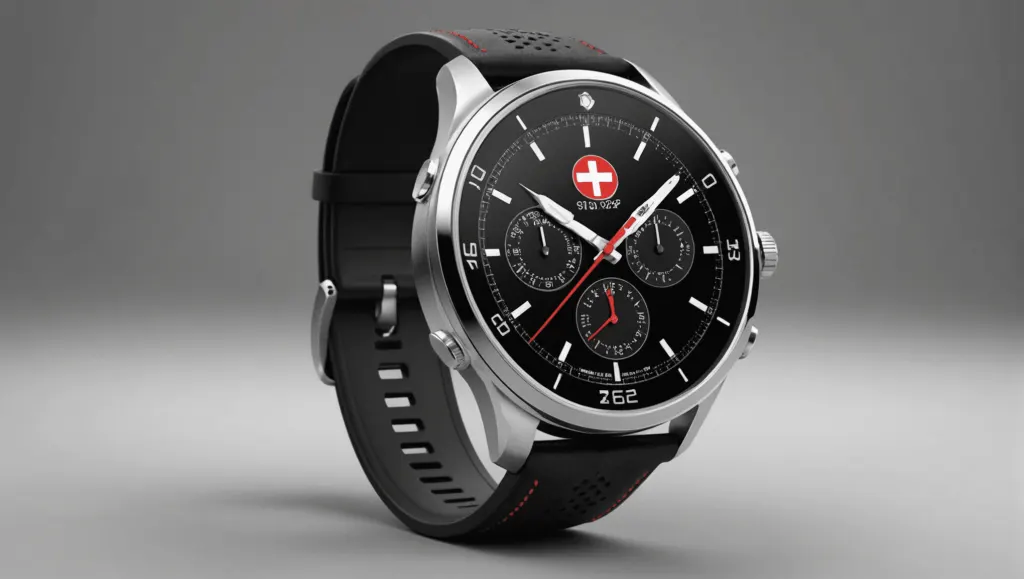
As the 2024 Summer Olympics approach, technological innovation is taking to the field with a revolutionary Swiss watch designed to track athletes’ performances in real time. This device, combining watchmaking precision and digital advances, promises to transform the analysis of sports performances. By providing instant data on various physical parameters, it allows coaches and athletes to make informed decisions to optimize their training and competition strategies. With this advancement, sport enters a new era where technology and performance come together to break through previously unsuspected limits.
A story of timekeeping and innovation

Since 1932, Omega, synonymous with excellence in Swiss watchmaking, has continued to innovate to offer precision timekeeping to Olympic Games. That year, the John Devitt swimming gold medal controversy marked a turning point for Omega.
Following this event, touch panels were introduced in 1968 so that swimmers could stop the timer themselves, thereby eliminating human error. To 1960 Rome Games, this decision was crucial for the future of sports timing.
Revolutionary technologies for the 2024 Olympics
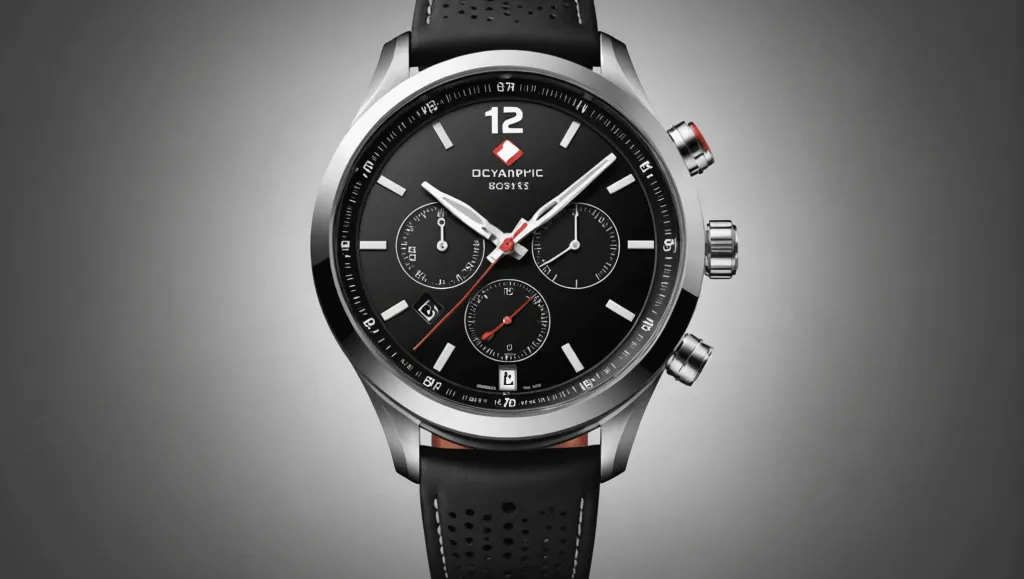
For the 2024 Olympics, Omega embodies a new technological revolution. In collaboration with Swiss Timing, a watch with the capacity to real-time tracking sees the light of day. It is equipped with motion sensors and advanced artificial intelligence (AI).
These sensors integrated into athletes’ clothing, weighing only 12 grams, can transmit 2,000 data points per tenth of a second. The precision offered by this technology makes it possible to measure distance, number of steps, tailwind, speed and even acceleration or deceleration.
Artificial intelligence at the service of athletes
AI plays a vital role in these Olympics. Analyzing data in real time, it makes it possible to improve athletes’ performances, and even predict them with unprecedented precision. AI provides instant understanding of performances, revolutionizing the spectator experience while reducing controversy.
Body imaging and movement analysis
Omega is not just limited to timekeeping. Its system also uses advanced cameras and specific algorithms to produce detailed 3D body visualizations. These systems make it possible to monitor the movements of athletes throughout their performance.
Whether it is to analyze the reaction of tennis players to the serve or to follow the movements of gymnasts, these technologies make it possible to obtain a complete analysis of athletic performance.
- Real-time tracking with sophisticated sensors
- Accurate performance analysis using AI
- Detailed body imaging using advanced cameras
- Improved spectator experience
- Preventing timing controversies
FAQs
What are the advantages of the new sensors used by Omega?
Motion sensors transmitted in real time enable accurate and continuous analysis of athlete performance, reducing human error.
How does AI contribute to the 2024 Olympics?
AI analyzes the collected data, provides real-time understanding of performance, and can even predict future performance with very high accuracy.
What types of data are collected by sensors?
The sensors measure distance traveled, number of steps, speed, acceleration, deceleration and tailwind.
How do Omega’s technologies improve the spectator experience?
By providing detailed body visualizations and accurate analytics, spectators can better understand and enjoy sports performances.
Why were touch panels introduced in 1968?
To eliminate human errors in timing, following the swimming gold medal controversy at the 1960 Rome Olympics.
Notez cet article
Read next
 AI news
Paris 2024 Olympic Games: An AI analysis of gold medals and future records
The Paris 2024 Olympic Games are shaping up to be a landmark event not only for athletes, but also for the entire world…
 AI news
Video Discovery: Hailuo 2 AI Revolutionizes Dog Sports with Its Own Olympic Games
Prepare to be blown away by the latest technological innovation shaking up the world of dog sports: Hailuo 2. This not…
 AI news
Rumors of Paris being colored purple before the Olympic Games worry tourists, artificial intelligence involved
The streets of Paris are adorned with purple, giving rise to worrying rumors in this pre Olympic Games period. A…
 AI news
The Top 5 Artificial Intelligences to Watch on November 8, 2024
The domain ofartificial intelligence is evolving at lightning speed, making it essential to stay informed about emerging