show index hide index
- What is biological AI?
- The foundations of biological AI
- Applications of biological AI
- Ethical and societal challenges
- The connection between biological AI and human immortality
- Advances and challenges in biological AI
- Advances in biological AI
- The challenges of biological AI
- The ethical implications of biological AI for human immortality
- Autonomy and consent
- Justice and equity
- The meaning of life and mortality
- Responsibility towards future generations
What is biological AI?
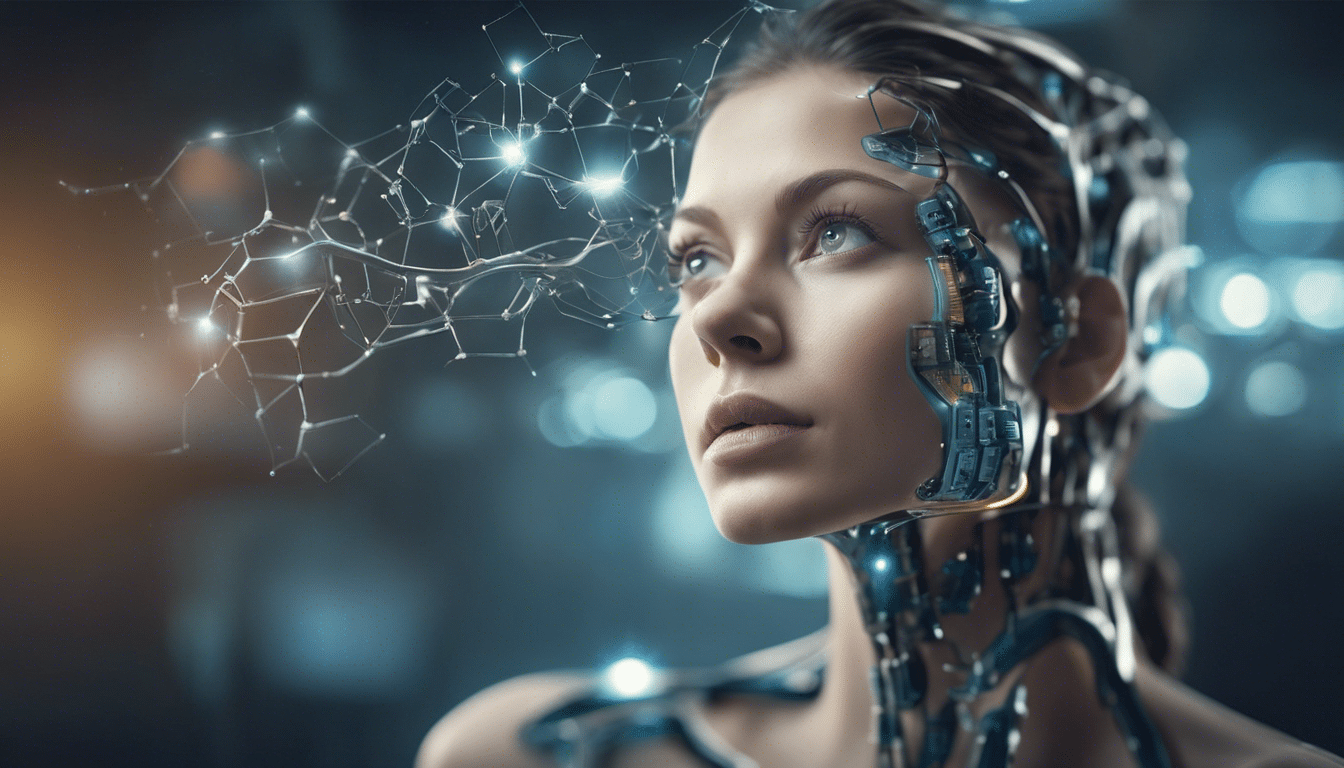
Biological artificial intelligence (AI) is an emerging branch of AI that focuses on using biological mechanisms and living systems to develop intelligent technologies. Unlike traditional AI that relies on algorithms and computer models, biological AI leverages principles of biology to replicate cognitive abilities in living organisms or create intelligent systems based on biological processes.
The foundations of biological AI
Biological AI is based on a combination of sciences such as biology, neurology and engineering. It draws inspiration from natural biological systems, particularly the human brain, to understand how intelligence works and how to reproduce it. Biological AI researchers are interested in neural networks, cognitive processes, and learning mechanisms to create intelligent systems that can solve complex problems and adapt to new situations.
Applications of biological AI
Biological AI has a wide range of potential applications in various fields. For example, it can be used in medical research to understand the functioning of the brain and nervous system, allowing the development of new treatments for neurological diseases. It can also be applied in agriculture to optimize cultivation techniques using intelligent systems that adapt to changing environmental conditions.
Additionally, biological AI is of growing interest in the field of biotechnology, where it enables the design of microorganisms capable of producing drugs or materials more efficiently. It can also be used in the field of robotics to create autonomous and adaptive robots that can interact more intuitively with their environment.
Ethical and societal challenges
Biological AI also raises a number of ethical and societal challenges. For example, the development of intelligent systems based on living organisms raises questions about their manipulation and control. It is also necessary to question the implications of the use of biological AI on privacy, security and liability.
Some major ethical concerns related to biological AI include the risk of creating potentially dangerous organisms, the protection of genetic data, and the impact on the job market. It is crucial to have robust regulations and protocols in place to guide the responsible development and use of biological AI to minimize potential risks and maximize its benefits to society.
To read Quelle IA détecte le mieux les images ? Comparaison entre ImageDetector et IMGDetector.AI
Biological AI opens up exciting perspectives in the field of artificial intelligence by combining the principles of biology and computer science. This promising discipline offers potential applications in many fields, from medicine to agriculture, biotechnology and robotics. However, it is important to consider ethical and societal challenges to ensure responsible development of biological AI.
The connection between biological AI and human immortality

Artificial intelligence (AI) has already revolutionized many areas of our lives, from healthcare to finance to self-driving cars. But today, AI is no longer limited to machines that imitate human intelligence. It is heading towards a new frontier: biological AI, which merges artificial intelligence with human biology. This marriage of technology and biology raises fascinating questions, particularly regarding human immortality.
Biological AI aims to improve and extend human life by using advanced technologies to understand, repair and augment the functioning of the human body. The main idea is to merge artificial intelligence with biology to create systems that can solve health problems, prevent diseases and reverse aging.
A concrete example of the application of biological AI is research in regenerative medicine, which aims to develop technologies to regenerate and repair damaged human organs using stem cells. Scientists use AI to analyze large amounts of genomic data and identify patterns that can lead to new therapies. These discoveries could one day allow humans to regenerate their organs, which would significantly increase their life expectancy.
Another application of biological AI is the construction of intelligent prosthetics that can adapt to the individual needs of amputees. Using AI, these prosthetics can learn each user’s specific movements, allowing them to function more naturally and smoothly.
But biological AI is not just about improving human health and longevity. Some scientists and futurists believe that AI could eventually make us immortal by transcending the physical limitations of our bodies. They envision a future where our mind could be transferred into a computer network, where it could continue to exist even after our biological body dies. This idea, known as brain uploading, raises profound questions about identity, consciousness and the nature of human existence.
However, one must also consider the ethical and societal implications of biological AI and human immortality. While some people may view immortality as an ultimate ideal, it raises questions about social inequality, the risks of increased surveillance, and the meaning of humanity itself. It is therefore crucial to balance the potential benefits of biological AI with the ethical challenges it poses.
In conclusion, the connection between biological AI and human immortality is a subject of great complexity and fascination. As technological advances continue to push the boundaries of what is possible, it is important to think critically and ethically about the future of our species. Biological AI offers exciting possibilities for improving our health and extending our lives, but it also raises profound questions about our identity and the nature of human existence. It is essential to conduct these discussions in an informed and responsible manner to ensure an ethical and sustainable future for our society.
Advances and challenges in biological AI

Artificial intelligence (AI) is a growing field with vast possibilities. Among the most recent advances, biological AI has attracted considerable interest. Biological AI aims to combine the principles of AI with biological systems to create a new generation of algorithms and intelligent machines. However, this convergence also raises many challenges and ethical questions. In this article, we will explore the advances and challenges of biological AI.
Advances in biological AI
Biological AI is based on the fundamental concept of using biological systems to improve AI performance. One of the most significant advances in this field is the use of biological neurons to create artificial neural networks. These biological neural networks are capable of learning and adaptation, which gives them a great capacity for intelligence.
Researchers have also successfully created brain-machine interfaces using biological AI techniques. These interfaces allow a human brain to control external machines and devices, opening new possibilities for people with physical disabilities.
Another major advance is the design of artificial proteins using deep learning algorithms. These artificial proteins can have many applications in the medical field, including creating personalized medicines and fighting genetic diseases.
The challenges of biological AI
Despite the promising advances in biological AI, there are still challenges ahead. One of the main challenges is the ethics of manipulating biological systems. For example, the creation of artificial neurons raises questions about the limits of manipulating the human mind. Should we intervene in brain functions and how far can we go without crossing ethical boundaries?
Another challenge concerns the security and privacy of brain-machine interfaces. The use of these interfaces raises concerns about the possibility of manipulation of human thought and violation of privacy. It is essential to have robust security mechanisms in place to ensure the protection of individuals using these technologies.
Additionally, there are concerns about the malicious use of biological AI. The creation of artificial proteins by deep learning algorithms raises questions about the possibility of creating biological weapons. It is crucial to closely regulate these technologies to avoid potential abuse.
Biological AI offers exciting possibilities to improve our understanding of biological systems and to create innovative technologies in fields such as medicine. However, it is crucial to address ethical, security and privacy challenges to ensure responsible use of these technologies. It is essential to conduct in-depth research and put in place appropriate regulations to guide the development of biological AI in order to preserve the integrity and security of individuals.
The ethical implications of biological AI for human immortality

Biological artificial intelligence (AI), a fusion of artificial intelligence and biology, offers new opportunities in our quest for human immortality. However, the emergence of this technology raises complex ethical questions. Let us examine the essential ethical implications of biological AI for human immortality.
Autonomy and consent
One of the main ethical issues of biological AI for human immortality concerns respect for autonomy and consent. In a world where biological AI could manipulate our biology and extend our lives, it is crucial to ensure that individuals retain control of their own bodies and their own destiny. The questions arise: Who owns our own biology? How can we ensure that decisions regarding our immortality are made in a fully informed, free and informed manner?
To read Comparaison de la Précision en Détection d’Images IA : ImageDetector.com contre NoteGPT
Justice and equity
The availability of biological AI for human immortality could widen the gap between rich and poor, creating even greater inequality in access to healthcare and extended life. Biological AI should not be reserved for a privileged elite, but rather be accessible to everyone, equitably. Ethical questions arise: How can we ensure fair distribution of this technology? How can we avoid a society even more divided between “immortals” and “mortals”?
The meaning of life and mortality
Biological AI for human immortality also raises profound questions about the meaning of life and mortality. If we manage to extend lifespan indefinitely, will this change our perception of existence? How can we give meaning to our lives if death is no longer inevitable? The ethical implications of biological AI go beyond the simple question of extending physical life. They touch our very essence as human beings.
Responsibility towards future generations
Finally, biological AI for human immortality raises a responsibility towards future generations. If we manage to extend our lives, what will be the consequences for our planet’s already limited natural resources? How will we maintain a balance between extended lifespan and the sustainability of our environment? The ethical implications of biological AI require long-term thinking and taking responsibility for future generations.
In conclusion, biological AI offers promising advances in our quest for human immortality, but also raises major ethical questions. Our ability to resolve these ethical dilemmas will determine the future of biological AI and its impact on our society and humanity. We must approach these questions with caution, thoughtfulness, and an ethical perspective to ensure that biological AI serves the collective interest rather than becoming a tool of division and injustice.
