Robot trains shoe-tying skills using generative artificial intelligence
Contents6
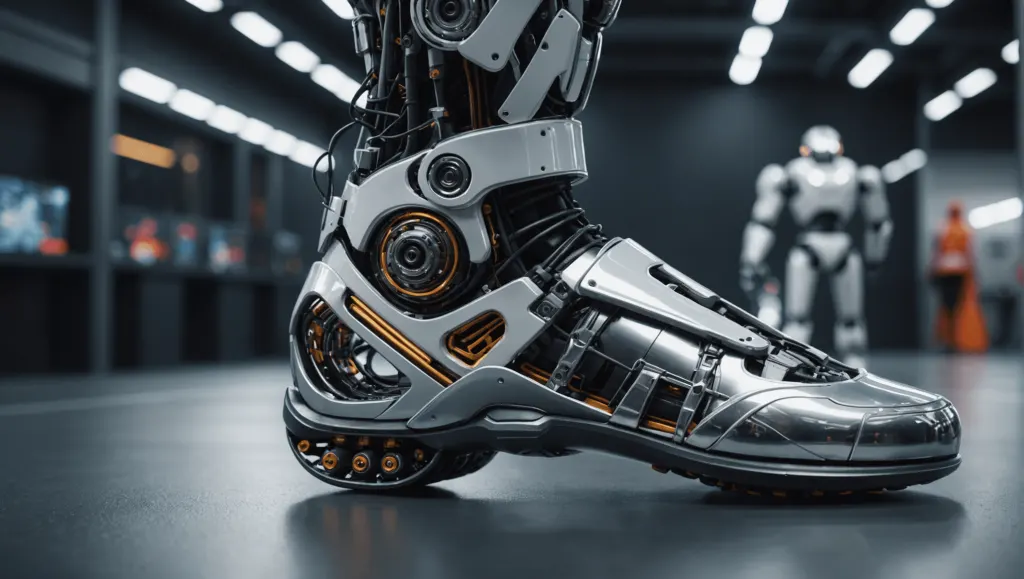
Imagine for a moment a robot able to train one’s own intelligence by performing tasks as mundane as tie your shoelaces. This is the reality brought about by the advances of**generative artificial intelligence**, where machines no longer just follow instructions, but learn their autonomy through the experience. This initiative opens the door to a world where robots master skills considered insurmountable, shaking up our conception of what it means to be intelligent. By playing with this innovative technology, robots explore a fascinating path towards self-improvement, and one might say, towards humanity itself.
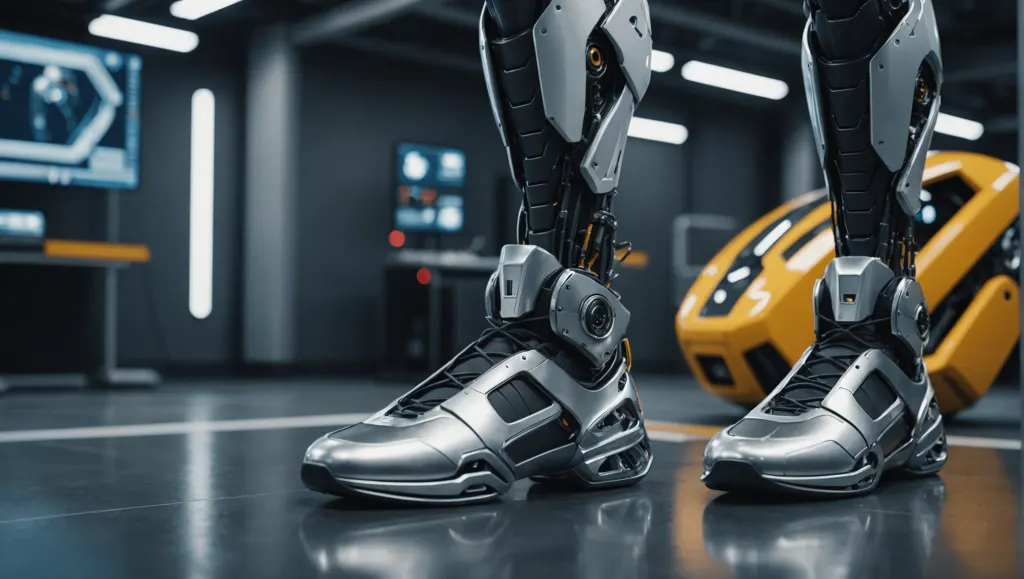
Imagine a world where a robot, guided bygenerative artificial intelligence, masters the art of shoe lacing with disconcerting precision. This is exactly what is happening today in the research laboratories of cutting-edge companies. This technological advance not only revolutionizes our understanding of robotics, but also our perception of the capabilities that machines can acquire.
A new era for artificial intelligence
Advances in the field ofGenerative AI never cease to amaze. Giants like Google DeepMind have taken this technology to an unprecedented level, allowing robots to autonomously learn complex tasks without needing a series of prior instructions. In other words, these machines are now able to define their own goals and adapt their behavior accordingly.
The innovative learning process
Learning to tie shoes may seem trivial at first, but it requires fine coordination and an understanding of the movement. Using advanced algorithms, a robot can observe and analyze lacing patterns and then reproduce them. Each session oftraining becomes an opportunity to improve your skills, without constant human intervention. This process perfectly illustrates the adaptability of generative AI in the face of practical challenges.
Robots serving daily life
This technology is not just limited to demonstrations. It is beginning to insert itself into our daily lives in surprising ways. Imagine a future where robots, like Weave Isaac, not only fold your laundry, but also take care of your shoes. From recognizing shoelaces to finishing a double knot, these machines could take on tasks that, until now, have been the exclusive domain of humans.
Future implications of this progress
The skills acquired by these robots are not limited to lacing. Their ability to generalize instructions and perform varied tasks could well transform entire industries. Think of a production line, where a robot could assemble a product while making adjustments in real time. This opens up a whole new field of action forautomation) and theinnovation.
Ethical and technological challenges
With these advances also come worrying questions. Who is responsible for a mistake made by a robot? Concerns around security and the implications ofAI in our society are legion. In the midst of the era of technological, it is essential to navigate carefully to prevent tools created to make our lives easier from turning into threats.
Shoe lacing by a robot driven byGenerative AI is just the tip of the iceberg. These machines are redefining our daily lives, transforming mundane actions into high-tech demonstrations. The future looks bright, but there are challenges to overcome to ensure harmonious coexistence between man and machine.
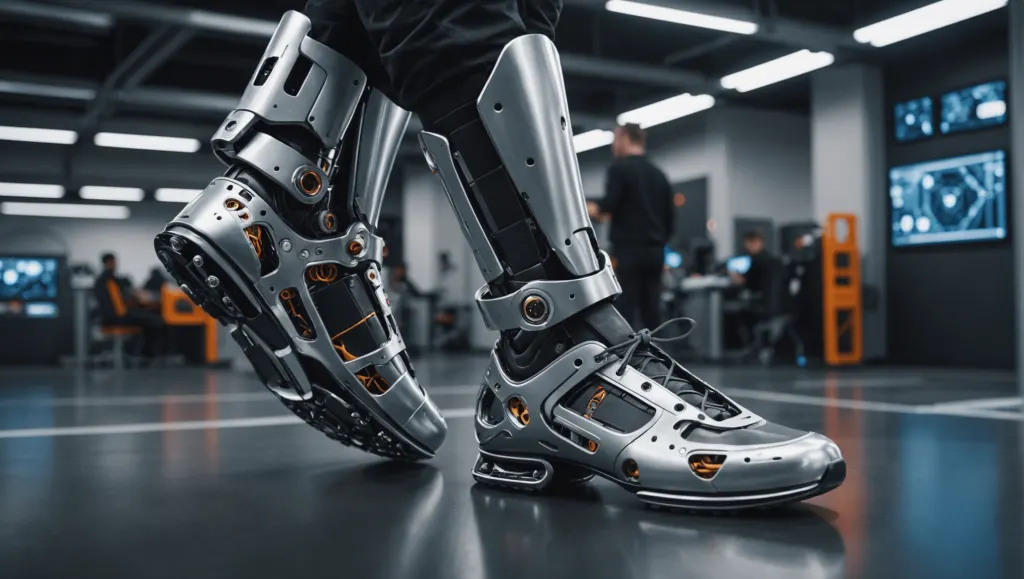
Comparison of Generative AI Approaches in Shoe Lacing
Notez cet article
Read next
 AI news
Excessive use of generative artificial intelligence: a risk for our critical thinking skills?
The rise of in the professional world invites reflection on its long term implications. While it promises rapid and…
 AI news
Design a video game without programming skills using artificial intelligence
In a world where transforms every aspect of our daily lives, the creation of video games is no exception to this…
 AI news
How Dataiku simplifies the implementation of chatbots using generative AI
Today, let’s dive into the exciting world of generative AI applied to chatbots with Dataiku. Let’s discover how this…
 AI news
The risks of using foreign generative AI and alternatives to ChatGPT
The growing use of foreign , such as ChatGPT, carries potential risks in terms of data security and information…