the current limits of AI in programming and the promises of the future
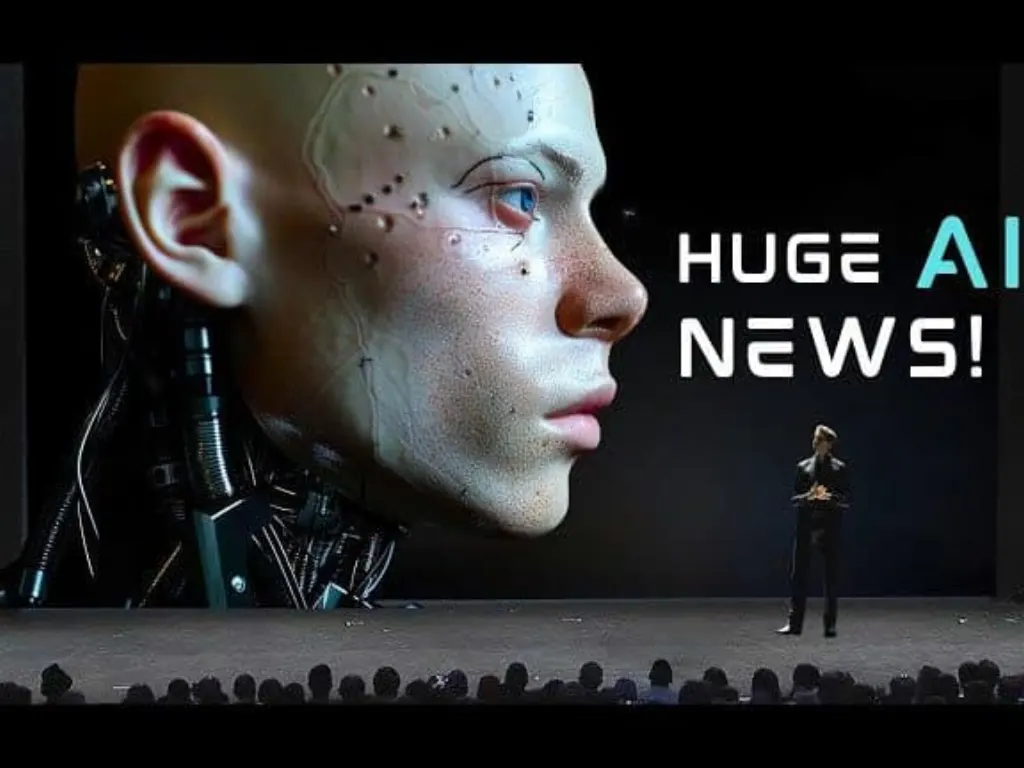
In a world of constant technological evolution, artificial intelligence (AI) is emerging as a true turning point in the field of programming. Yet, despite its dazzling advances, AI faces undeniable limitations that raise crucial questions. How can it be used intelligently? What future promises can we expect from it? Between technical and ethical challenges, the reality of AI today is more complex than it appears. Learning about these issues is essential to understanding the upcoming transformations in our relationship with digital technology. Artificial intelligence (AI) has become a central topic in the world of technology, with advances that seem to open the doors to a promising future. However, behind this resolutely futuristic facade, significant limitations lurk that weaken AI applications, particularly in programming. This article examines these issues while revealing the future potential that AI could achieve. Current Limitations of AI in Programming It is essential to recognize that while AI is making impressive progress, it is still hampered by significant technical limitations. For example, the ability of AI models to understand and generate code is often contextually incomplete. When it comes to generating complex programs, AI struggles to grasp nuances that human programmers might consider obvious. Another major obstacle relates to transparency. **algorithms. AI systems are often considered « black boxes, » making it difficult to understand the decisions they make. In programming, this can lead to undetected errors, as developers cannot easily identify how a certain solution was reached or why certain lines of code produce unexpected results.**Furthermore, AI suffers from a lack of human intuition. While a human can rely on past experiences and deep-rooted knowledge to solve problems, AI relies solely on prior data. This can become problematic in cases where innovative solutions are required. The answers generated by AI can often lack creativity or depth, limiting its effectiveness in specific contexts. The Future Promise of AI in Programming Despite these challenges, the promise that AI brings to the field of programming is undeniable. One of the most notable benefits lies in the automation of repetitive tasks. For example, advanced algorithms can generate code faster, allowing developers to focus on strategic and creative issues while letting AI handle the technical details. Another promising area is intelligent programming interfaces, which could enable more natural interaction between coders and AI systems. The emergence of technologies such as those already being explored by Nvidia, which recently obtained approval in Europe to acquire a specialized startup, illustrates this potential. By creating AI-assisted coding environments, the process could become more intuitive and less prone to human error. We are also on the threshold of a revolution with tools that could allow you to design a video game without prior programming skills, expanding access to digital creation. These innovations aim to simplify and democratize software creation, making programming more accessible and less technical. Ultimately, while facing pronounced limitations, AI continues to open new avenues. Current challenges may be mitigated by continued advances in the field of AI. Thus, what we perceive as obstacles today could, in the future, transform into unprecedented opportunities for everyone working in the technology sector.
Notez cet article
Read next
Anthropic unveils Claude Cowork: AI programming accessible to all
In an era where artificial intelligence is transforming our work methods, Anthropic surprises us with its latest…
 AI news
Meta SAM3 and SAM3D: AI redefines the limits of image recognition
In a world where is evolving at breakneck speed, Meta’s innovations with SAM3 and SAM3D mark a true turning point in…
 AI news
This AI toy, made in China, promises to entice your children with a communist message.
Imagine a world where your children are lulled to sleep by the sounds of a smart toy, designed to amaze them and…
 AI news
The limits of science: why artificial intelligence struggles to grasp the concept of « no »
At the heart of technological advancements, is transforming numerous sectors, but it faces major obstacles,…