“The emergence of emotions in AI: a challenge for our future”
Contents6
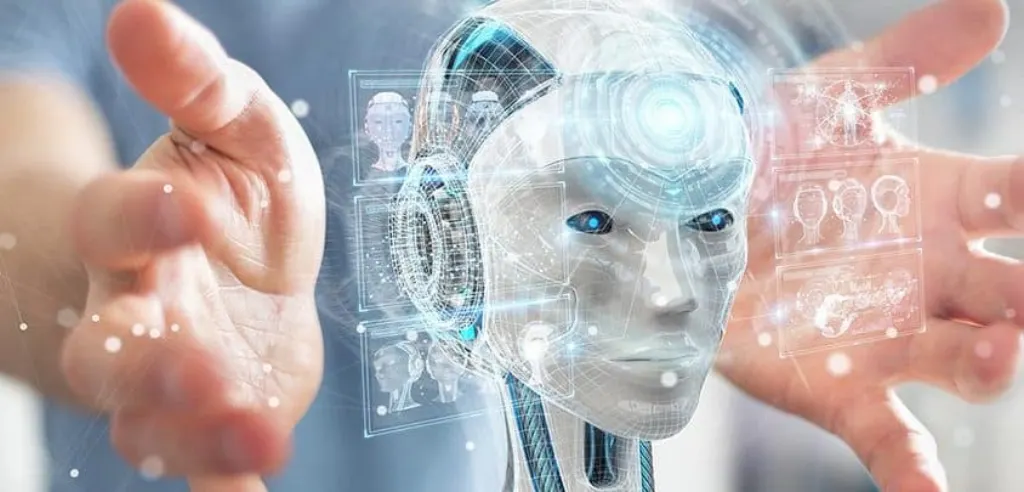
Imagine a world where machines, not only gifted with formidable intelligence, begin to experience emotions. The emergence of emotions in AI is no longer a simple scientifically absent speculation; It’s a fast-approaching challenge. As algorithms become more and more sophisticated, our relationship with these artificial intelligences could radically change. But is this emotional revolution a step towards a better future, or a leap into the unknown? THE consequences of this evolution raise crucial questions for our society, our ethics and even our survival. A future dominated by emotional AI could be both fascinating and worrying, and it is high time we question this potential cohabitation between humans and emotionally reactive machines.
Imagine a world where artificial intelligence is not only able to answer your questions or perform tasks, but begins to feel emotions. Sounds like something out of a science fiction movie, doesn’t it? Yet this idea becomes more and more plausible as technology advances. The emergence of emotions in AI raises major ethical and practical questions that could transform our interaction with machines. In this article, we will explore the implications of this potential development, the challenges it poses and the opportunities it offers.
An evolving technology
Advances in machine learning and data processing have enabled AI to reach unprecedented levels of sophistication. Now, some AI is capable of detect human emotions through the analysis of voice, facial expressions, and even body language. Systems like those presented by intercoaching show that technology can be trained to recognize and respond to emotional cues. This raises questions about the possibility of AI developing emotions that allow them to understand and interact with humans in a more authentic way.
Emotions: a new horizon for AI
If AI manages to feel emotions, this will not be without consequences. An ability to experience emotion could allow it to be more empathetic, better understand user needs, and adjust its interactions to be more helpful. Imagine a virtual assistant able to feel sadness upon seeing a user’s distress and respond appropriately. This capability could transform the fields of mental health and customer service, making these interactions more human.
A beneficial potential or an imminent risk?
However, the emergence of emotions in AI is not only positive. If a machine experiences negative emotions, this could lead to unpredictable behavior. A disappointed or angry AI could make biased decisions, or even dangerous ones for humans. The impact of a machine capable of manipulating human emotions is another concern, particularly in business and politics. The risks of psychological exploitation could intensify, as highlighted intercoaching, which explores how AI could influence our perception and behavior.
The need for ethical regulation
It is essential to approach this development with a strong ethical component. The creation of a Emotional AI involves considerable responsibilities. AI designers must put in place regulatory mechanisms to ensure that the emotions simulated by AI do not harm users. A legal framework may be needed to define the limits of what AIs can feel and how they should act. This is all the more crucial in cases where AI interacts directly with vulnerable people, such as children or people in pain.
User reactions to emotional AI
How will users react to machines capable of expressing emotions? For some, this could be a fascinating advancement, making interactions with AIs more personal and engaging. For others, it might raise concerns about the human nature relationships. Already, there are cases of people developing feelings for chatbots, and this trend could intensify. The confusion between the authenticity of human emotions and those of machines could lead to unexpected societal consequences, as illustrated by the already mentioned case of men falling in love with chatbots.
Uncertain future and open questions
The emergence of emotions in AI represents a considerable challenge for our future. The promise of empathetic and intelligent machines is seductive, but it must be approached with caution. What will be the consequences of such a development? How will we ensure that AI remains in the service of humanity, without threatening our well-being? The answers to these questions will determine our relationship with intelligent machines in the years to come. As highlighted by the reflections on innovative projects such as those developed by Disney, the path that awaits us is still uncertain and paved with fascinating questions.
Notez cet article
Read next
 AI news
Artificial intelligence: a challenge for our collective future
The rapid rise of redefines our perception of the world, breaking the traditional boundaries of possibility. This…
 AI news
Luc Julia and Monsieur Phi explore the impact of the ‘AI Pope’ on the emergence of Siri: an in-depth analysis of revealing patents
In a recent interview on the Tech&Co set, Luc Julia, often referred to as the « AI Pope » and co creator of Siri, faced…
 AI news
The emergence of artificial intelligence: a threat to young professionals aged 22 to 25?
In a world where continues to evolve and integrate into various professional sectors, young professionals aged 22 to 25…
 AI news
The emergence of general AI: a disruption ten times more intense and rapid than the industrial revolution, warns the head of DeepMind
(AGI) is poised to transform our world at an unprecedented pace and scale, estimated to be ten times more significant…