The impact of digital tools like ChatGPT, Google and GPS on our real intelligence
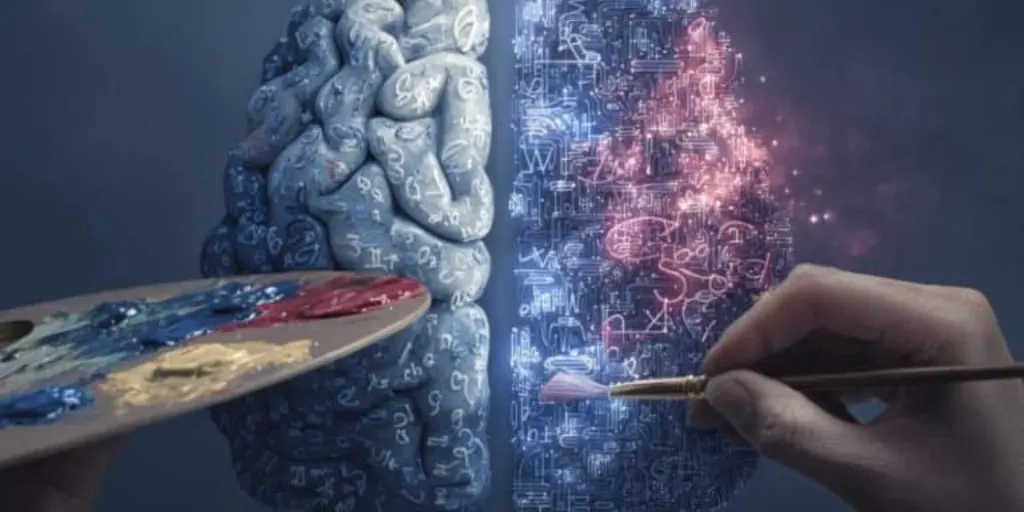
In the current context of technological revolution, digital tools such as ChatGPT, Google, and GPS are profoundly transforming our ways of thinking and decision-making. While these technologies increase our access to information and our analytical capacity, they also influence our real intelligence, thus changing the way we memorize, understand, and interact with the world. Their impact raises an important question: do they stimulate or atrophy our cognitive faculties? The rapid evolution of digital tools such as ChatGPT, Google, and GPS has profoundly transformed our daily lives. However, this growing dependence raises questions about their impact on our real intelligence. This article explores how these technologies influence our ability to think, memorize, and make decisions, examining various aspects such as their role in information processing, human memory, and decision-making. Information Processing and Dependence on Digital Tools Digital tools have revolutionized information processing. With Google **, information retrieval has become instantaneous, replacing long hours of library research. While this has enabled rapid access to a vast body of knowledge, it can reduce our ability to analyze and synthesize information on our own.**ChatGPT , a notable example of artificial intelligence in natural language processing, helps generate and understand text in impressive ways. However, by delegating too many cognitive tasks to these tools, we risk relying excessively on them to process and understand complex information, thus diminishing our own mental engagement. Impact on Human Memory Human memory is a key aspect of our real-world intelligence. The use of Google andGPS
could impair our memory capacity. Reliance on GPS diminishes our ability to remember and read maps, while constant access to the internet can lead to a decrease in our effort to retain information, an effect known as the « Google effect. » **This automation of external memory could lead to a society where human memory skills become less and less necessary, unlike the era when the ability to memorize and recall information was vital for survival and professional success.**Influence on decision-making Digital tools significantly influence decision-making. They provide recommendations based on complex algorithms. For example, GPS navigation systems calculate optimized routes, which, while facilitating our daily lives, can impair our ability to solve problems independently without technological assistance. In the case of ChatGPT , although it provides instant answers and solutions, relying exclusively on these digital tools can lead to a decline in our critical thinking. Maintaining critical judgment and challenging the results provided by artificial intelligence is essential to ensure informed decision-making.
Development of New Cognitive Skills
Despite concerns about the impact of digital tools, it is important to note that they also promote the development of new cognitive skills. For example, interacting with intelligent interfaces and virtual assistants can improve our ability to interpret and integrate vast amounts of information. Technical and analytical skills are amplified by the use of these technologies, prompting us to adapt the way we think and learn. By leveraging these tools to enhance rather than replace our cognitive functions, we can reap their benefits while minimizing their potential negative consequences.
Notez cet article
Read next
 AI news
Discover what ChatGPT Agent can do for you by browsing platforms like Google, Twitter, and YouPorn.
Are you ready to discover the future of digital assistants? With the rapid arrival of ChatGPT Agent, a true revolution,…
 AI news
Google unveils Gemini 2.5 Pro, its new response to reasoning artificial intelligences like ChatGPT and DeepSeek
Google has just launched its most advanced model to date, Gemini 2.5 Pro. Developed by Google DeepMind, this new…
 AI news
AI dons the white coat: how artificial intelligence learns to think like a real doctor
In the fascinating world of medicine, the integration of is revolutionizing the way medical diagnoses are made. AI,…
 AI news
This summer, artificial intelligence is committed to life: innovative tools to detect suicide risk in young people in real time
While summer memories evoke moments of freedom and joy, for some young people, this period is tinged with dark…