The rise of smart mobile web browsers: what does it mean for geomarketing?
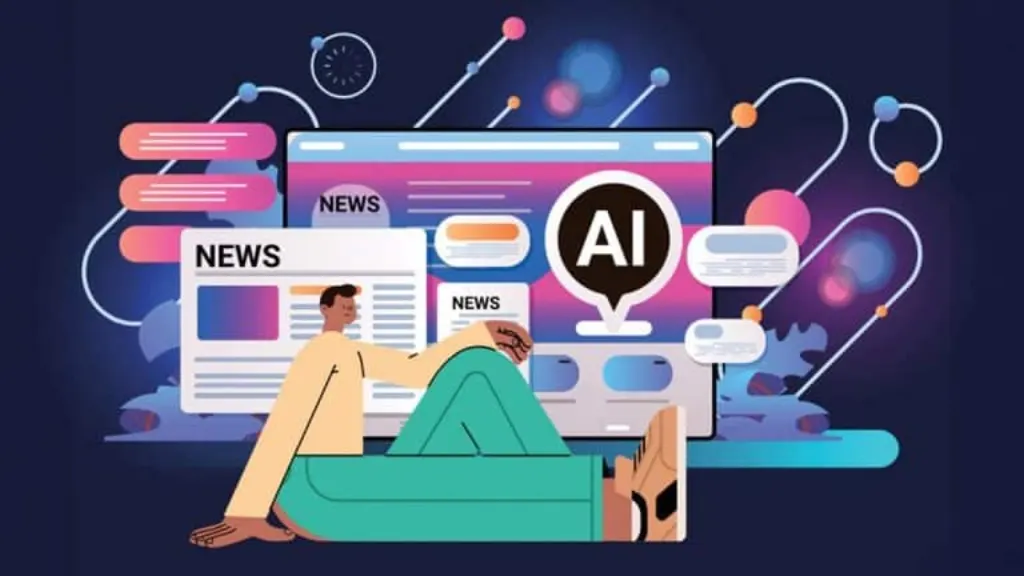
The advent of intelligent mobile web browsers powered by artificial intelligence technologies is disrupting established norms and challenging geomarketing strategies. As players like Perplexity launch browsers incorporating an agentic AI approach, the way users interact with information is rapidly evolving. Traditional Global Engine Optimization (GEO) practices may soon be pushed to the back burner, forcing specialists to rethink their approach to adapt to this new reality focused on user intent and contextualization. With the emergence of artificial intelligence-powered mobile web browsers, the digital landscape is undergoing a radical transformation. These tools, such as Comet launched by Perplexity, offer an innovative approach to navigation, challenging traditional practices. This development could have significant repercussions on geomarketing, forcing companies to review their strategies to adapt to this new reality imposed by AI. A revolution in the browsing experience Traditional browsers, such as Chrome and Safari, are often focused on advertising or privacy protection. In contrast, innovative solutions like Comet offer an agentic AI feature that personalizes the user experience. This means that browsers no longer simply return search results, but act as intelligent assistants, capable of responding to specific requests, arranging reservations, or even managing your emails. This break with old models paves the way for more natural and effective interactions.Challenges for geomarketingAs smart browsers gain popularity, the field of geomarketing faces unprecedented challenges. With the rise of voice searches and the need for contextualization, it is becoming crucial for businesses to adapt their digital marketing methods. Indeed, global engine optimization could become secondary if AI-powered search engines begin to prioritize more optimized content for their algorithms. A New Approach to Mobile Optimization In this new era of mobile browsing, optimization must focus on relevant content. Businesses must adopt strategies that focus on tailored answers, integrating verifiable data, citations, and statistics. In this context, sites offering accurate and enriched answers will be more prominently featured by smart browsers. This change may create an opportunity for those who can adapt quickly, thus allowing them to appear in summaries automatically generated by AI. Implications for Organic Traffic With the focus on AI-powered results, traditional websites could see their organic traffic plummet. Tools like Perplexity are already beginning to transform the way users interact with information on the web. This means businesses must adapt, not only to maintain their visibility but also to strengthen their connection with users by effectively responding to their voice queries, such as « Find me an Italian restaurant tonight. »A Necessary Reevaluation of Marketing StrategiesThe Field of Geomarketingmust therefore reevaluate itself in its entirety. Marketers will need to focus on user intent and the clarity of the information they provide. With well-structured and relevant content, brands can not only attract attention but also retain consumer interest. To remain competitive, they must embrace this shift towards more intuitive and user-centric navigation.
Notez cet article
Read next
 AI news
Does the rise of artificial intelligence threaten the future of Japanese animation artists? Ghibli’s opinion
Since technologies, the Japanese animation industry has found itself at the center of a storm. The advances in AI are…
 AI news
OpenAI to Unveil GPT-4.1: What Will It Mean?
As OpenAI prepares to unveil GPT 4.1, a revolution in and machine learning, questions are multiplying: what will be the…
 AI news
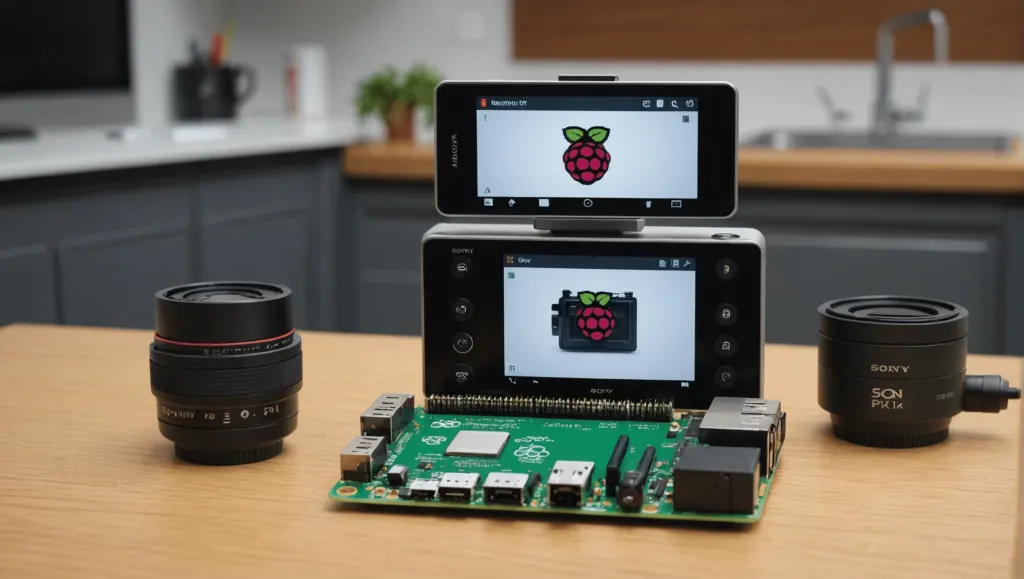
Raspberry Pi and Sony launch a smart camera: what are its applications?
The world of technology continues to reinvent itself, and Raspberry Pi in collaboration with Sony hits hard with their…
What surprises does AI have in store for us in 2026? Insightful perspectives from ChatGPT, Claude, and Gemini
As we approach 2026, continues to revolutionize our daily lives. From its countless ingenious capabilities to the way…