A growing number of warning signs: towards an imminent global upheaval caused by the expansion of AI
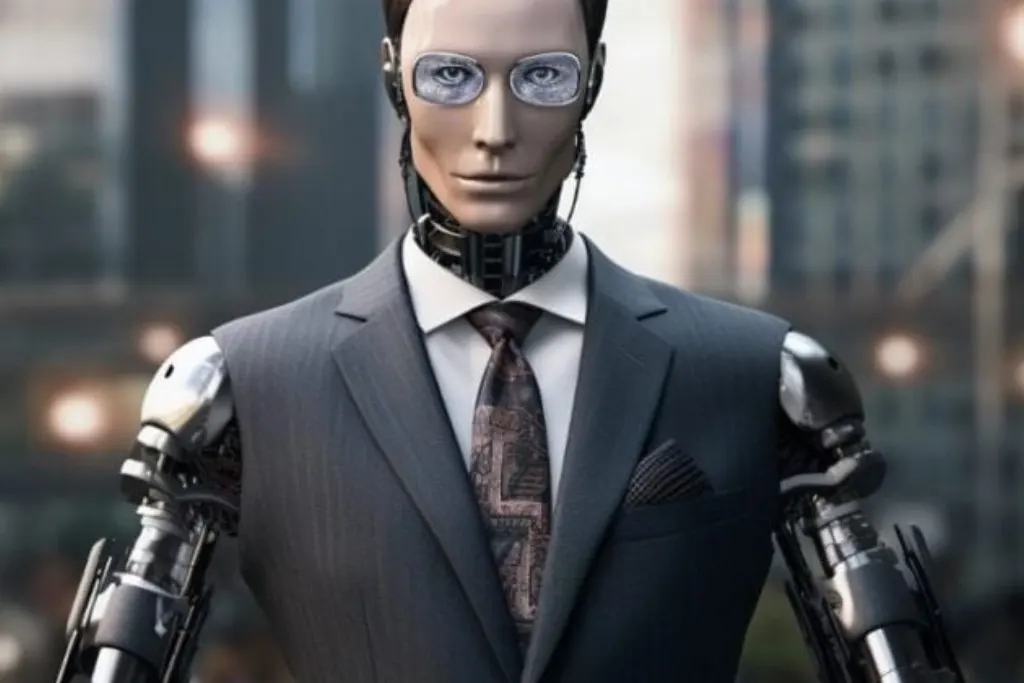
The current momentum of artificial intelligence’s expansion heralds a profound shock across numerous sectors, fueled by a growing demand for technological resources. Warning signs are multiplying as infrastructure needs, particularly for memory, reach unprecedented levels. This frantic race to power AI risks disrupting the global balance, exerting intense pressure on both the existing technology industry and the consumer market, which could emerge profoundly transformed. The rapid advancement of artificial intelligence is redefining the global relationship with technology. But while its promises seem endless, a series of warning signs are accumulating, suggesting significant upheavals. The exodus of large corporations toward technological innovation at the expense of the consumer market, the explosion in demand for high-resolution memory (HRM) and the resulting global shortage, as well as the economic consequences, are all challenges that cannot be ignored. Tech giants abandon the consumer market In early December, the renowned storage media brand, Crucial, announced its decision to leave the consumer market to focus exclusively on its strategic clients in the AI sector. This strategic shift is far from insignificant and foreshadows a market concentration on players capable of absorbing ever-increasing production costs.Frenzied race for HBM memoryWith the exponential development of AI, the need for HBM memory
has multiplied dramatically. Integrated directly intoNvidia’s GPUs, this memory, with its bandwidth of over 2 TB/s, has become an essential resource for AI-dedicated processors. Companies such as Google, Microsoft,
Amazon, and
OpenAI has established agreements with manufacturers to maximize production, anticipating gargantuan demand in the coming years. Global Shortage: A Major Strategic ChallengeAs tech giants rush to secure their memory needs, a global shortage is taking hold. This situation, exacerbated by insufficient production of conventional memory, threatens to spill over into other technology sectors. The direct result: prices are skyrocketing, particularly for memory components used in smartphones and personal computers.
Repercussions on the Consumer Market
The price increases are severely impacting consumers. For example, some smartphone companies, such as Realme, are considering price increases of up to 30%. Economic barriers are not the only ones affected. In Seattle and Mountain View, restrictions on purchases are being imposed, demonstrating the severity of the shortage. Macroeconomic Impact and Potential Slowdown in AI Innovation The economic repercussions are severe. The cost of electronic components is skyrocketing, harming the competitiveness and growth of the technology sector. In the United States, in particular, component recyclers are profiting from this situation, boosting their sales in the face of growing Chinese demand. On a larger scale, this situation could slow the very development of AI. According to the CEO of SK Hynix, an inability to keep pace with this demand could lead to the closure of companies dedicated to innovation. Paradoxically, AI, considered the « new oil, » could see its growth hampered by its excessive consumption of resources.
Notez cet article
Read next
 AI news
AI, Blue Owl, Oracle: Deciphering the warning signs
Recent events in the financial markets raise crucial questions about the future of the ecosystem. Indeed, despite the…
 AI news
“The growing impact of artificial intelligence on armed conflicts: towards a controversial period for humanity”
The impact of on armed conflicts presents a major challenge for modern societies. With its potential to reassess…
Crypto et IA : les stablecoins, futurs piliers des paiements dans l’économie numérique en pleine expansion
Dans un monde où l’ transforme profondément notre manière de travailler et de consommer, une nouvelle ère se dessine…
L’IA sous surveillance : une étude alarmante annonce un effondrement économique imminent !
L’avènement de l’ intelligence artificielle suscite à la fois fascination et inquiétude . Une récente étude met en…