Advertisement in ChatGPT: DeepMind CEO strongly criticizes OpenAI
OpenAI’s recent announcement regarding the integration of ads into ChatGPT has sparked strong reactions, notably from DeepMind. DeepMind’s CEO, Demis Hassabis, didn’t mince words in expressing his strong disagreement with this approach. In a firm statement, he highlighted a growing divide between two philosophies concerning the future of artificial intelligence: aggressive monetization versus a quest for user trust and integrity. The debate is intensifying and raises the question of the consequences of these choices on the user experience as we know it. OpenAI’s recent decision to integrate ads into ChatGPT has certainly provoked reactions. DeepMind’s CEO, Demis Hassabis, expressed his reservations about this choice, underscoring a growing gap between the two artificial intelligence giants. In a context where the integration of advertising into AI systems is the subject of intense debate, DeepMind’s response illustrates a vision quite different from that of OpenAI. A divide between two visions of AI
OpenAI’s decision to introduce advertising in ChatGPT marks a turning point in the use of AI. Many observers see this initiative as a sign of the financial pressure the company is under. In this context, Hassabis clearly stated that he did not want Google DeepMind to follow this path. For him, AI is not a commercial playground, but rather a domain of ethics and trust.
Advertising tests: a growing reality
OpenAI has already announced that ad testing will begin in the coming weeks. Users of the free version and the ChatGPT Go offering in the United States will be the first to experience this monetization . Although these advertisements While these features are supposed to not influence AI responses, the paradigm shift is clear. Users will now have to navigate an environment where sponsored content exists alongside their usual user experience.
A clear message from DeepMind Faced with the rise of this issue, DeepMind’s message is unequivocal. Hassabis clearly stated that there are « no plans » to integrate ads into Gemini, Google’s AI. This committed stance reinforces Google’s image as a company that prioritizes user trust and the quality of the user experience. An implicit but powerful criticism While Hassabis doesn’t directly mention OpenAI, his comments resonate strongly in the tech news. By referring to the early introduction of ads, he suggests that this could affect the credibility of an intelligent assistant. The risk of user confusion between sponsored content and objective recommendations is a crucial point he raises. Indeed, when advertising is introduced, it risks creating questions about the impartiality of the answers provided.
A long-term strategy Google’s position also denotes a long-term strategy. Unlike OpenAI, which seems to be looking for a quick way to generate revenue, Google is firmly committed to building an AI infrastructure that strengthens its existing ecosystem without resorting to advertising. Hassabis asserts that the absence of immediate financial pressure allows for deeper reflection on the future of AI in this context. A look at the future
In summary, the dialogue between OpenAI and DeepMind reveals a division
There is a persistent debate on how AI should be developed and monetized. On one hand, there is a desire to align with market expectations, while on the other, there is a commitment to a more ethical and user-centric vision. Which of these two approaches will prevail remains to be seen, but the tone and message conveyed by DeepMind set a high bar for responsibility and trust in the use of AI. To delve deeper into this topic, explore interesting articles on the impact of AI-powered personalized advertising,
intrusive ads on ChatGPT, and analyses of Meta AI’s role in this debate. Also, discover the
success of French advertising with AI and the challenges related to AI-related scams.
/un-supermarche-innove-avec-des-publicites-sur-mesure-grace-a-lintelligence-artificielle/ /urgent-chatgpt-bientot-envahi-par-des-publicites-selon-une-fuite-revelatrice/ /meta-ai-mark-zuckerberg-va-analyser-vos-conversations-pour-personnaliser-les-publicites/ /animation-et-intelligence-artificielle-le-succes-international-dune-publicite-100-francaise/ /arnaques-liees-a-lia-5-milliards-de-publicites-filtrees-en-2024-un-defi-colossal-pour-google/
Notez cet article
Read next
 AI news
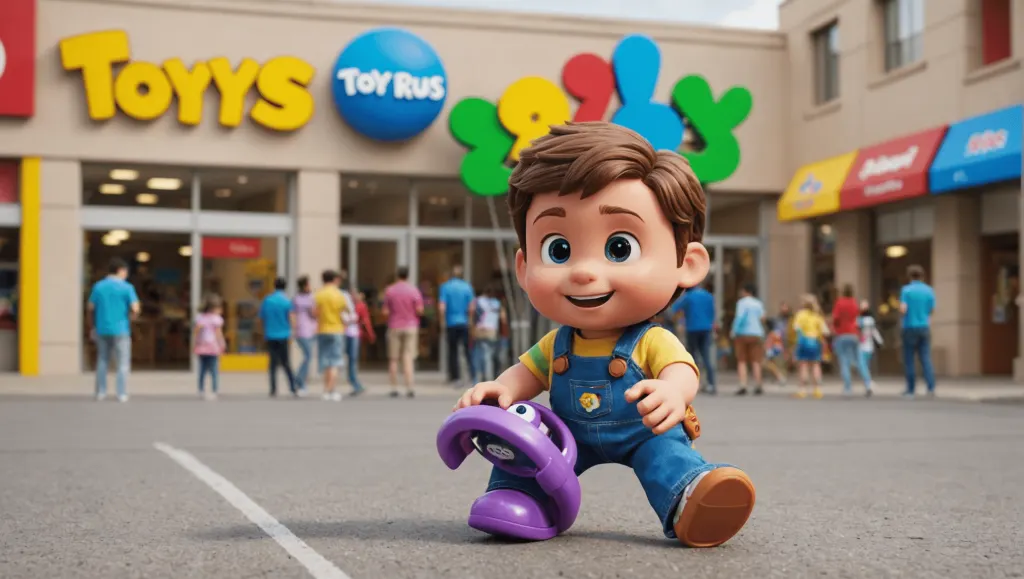
The return of Toy R Us with an advertisement designed by OpenAI Sora: Check out the video
The long awaited return of Toys R Us is not going unnoticed with an innovative ad designed by OpenAI Sora. Immerse…
OpenAI : ChatGPT franchit la barre des un milliard d’utilisateurs actifs, un record historique
OpenAI a récemment atteint un jalon remarquable en franchissant la barre du milliard d’utilisateurs actifs pour ses…
ChatGPT se matérialise : OpenAI lance son tout premier appareil connecté
OpenAI, après avoir bouleversé le monde avec l’essor de l’ intelligence artificielle générative , fait un pas audacieux…
OpenAI confronté à une nouvelle poursuite après qu’une discussion sur la religion avec ChatGPT a presque conduit à un suicide
OpenAI se retrouve à nouveau sous les projecteurs d’une controverse après qu’une plainte choquante ait été déposée,…