ChatGPT could replace interns, OpenAI boss says
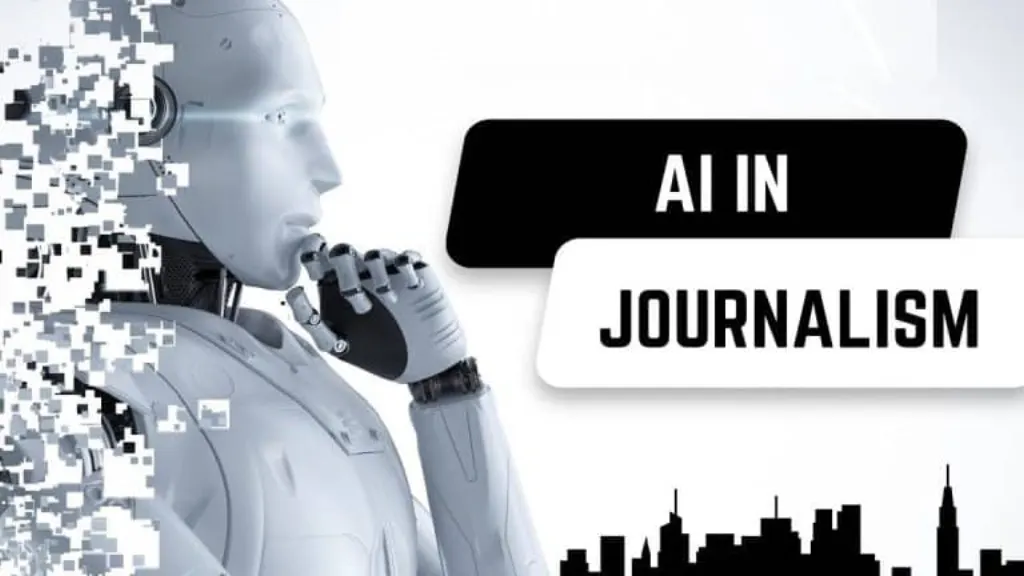
In the age of technological innovation, the shadow cast by ChatGPT over entry-level jobs is provoking unexpected reflections. At the Snowflake Summit 2025, OpenAI CEO Sam Altman sparked debate by asserting that generative artificial intelligence could well replace interns. As Generation Z enthusiastically embraces this innovative AI, the employment landscape for young talent is being disrupted by this palpable shift. **At the Snowflake Summit 2025, a powerful statement was made by Sam Altman, CEO of OpenAI. According to him,**ChatGPT and generative AI could soon replace interns. As Generation Z embraces AI, the future of entry-level jobs is taking on a new, and potentially worrying, light. An Undeniable Virtual Colleague **Nearly on the horizon, AI is no longer seen as a tool, but as a true expert collaborator. Imagine an assistant who never gets tired, removing office distractions. Unlike interns who are often limited by their learning curve, ChatGPT displays impressive analytical capabilities, exceptional productivity, and breathtaking speed.**Sam Altman and the Future of AI Sam Altman illustrates the situation by comparing ChatGPT to an old-fashioned intern. « Today, AI like ChatGPT is like an intern who works a few hours, but soon, it will be an experienced software engineer who works days without a break, » he says. This radical transition is worth serious consideration, because AI not only performs basic tasks, but could also solve complex problems and generate new ideas. Growing Autonomy of AI Altman’s dreams, in collaboration with visionaries like Sridhar Ramaswamy, evoke an autonomous AI
Able to handle simple tasks while also being capable of designing strategic solutions. By 2026, AI agents should be able to develop strategies and make operational decisions, further increasing their usefulness in the market. Warning from tech figures Other industry leaders, such as Nvidia’s Jensen Huang, share these concerns. At the Milken Institute conference, he warned: « You won’t lose your job because of AI, but because of someone using it. » Thus, fears are not only directed at AI itself, but also at human skills that could become obsolete in the face of the effectiveness of AI systems. Generation Z faces the rise of AI Unlike other generations,
Generation Z
does not appear anxious. This age group isn’t giving in to panic, but is instead turning to collaboration with AI. According to a recent survey by Resume, one in ten workers regularly uses ChatGPT, and this figure rises to two in ten among Generation Z. For them, AI is not a threat, but a virtual colleague, an ally in their quest for efficiency. A Generational Divide in AI UseSam Altman also highlighted this generational divide at the AI Ascent event organized by Sequoia Capital. According to him, older people use ChatGPT as a « Google Plus, » while twenty-somethings see it as a life coach or even an operating system. This suggests that Generation Z is not only ahead in the adoption of advanced tools, but also that they are using them in a way that maximizes their potential. Repetitive Tasks Within AI’s ReachEntry-Level Positions
, often seen as learning opportunities for interns, are at the forefront of this transformation. Repetitive and often time-consuming tasks, once the domain of young recruits, are now easily performed by AI tools such as ChatGPT, heralding a reversal of traditional roles in the workplace.
To learn more about how to prepare for this technological wave, discover coaching options or explore training available on CACES (French vocational training institutes) to acquire new skills.
/prix-tarif-coaching-salles-de-sport/prix-tarif-coaching-vert-marine/ /formation-caces-tout-ce-quil-faut-savoir-pour-reussir-son-test/
Notez cet article
Read next
 AI news
OpenAI imagines a future where artificial intelligence could replace your jobs with ChatGPT
OpenAI is not just a simple company, it is the laboratory of ideas that could redefine our relationship to work.…
OpenAI unveils ChatGPT Health: the artificial intelligence that could revolutionize medical consultations
Imagine a world where your medical consultation could take place from the comfort of your home, without ever having to…
 AI news
Working on a computer all day could make your job obsolete, says engineer
Working on a computer all day could soon become a luxury of the past. According to a software engineer, (AI) threatens…
 AI news
DeepMind WeatherNext 2: the revolutionary artificial intelligence that could well replace Évelyne Dhéliat as the weather forecaster
Imagine a world where weather forecasts no longer depend solely on meteorologists, but on an capable of reading the sky…