Discover the Infallible Method to Eliminate Anxiety Instantly!
Contents12
Faced with daily life stressful and an ever more demanding society, more and more people are seeking to find balance and inner peace. What if mindfulness was the solution to relieving our anxiety? Focus on this practice with many benefits.
What is mindfulness?
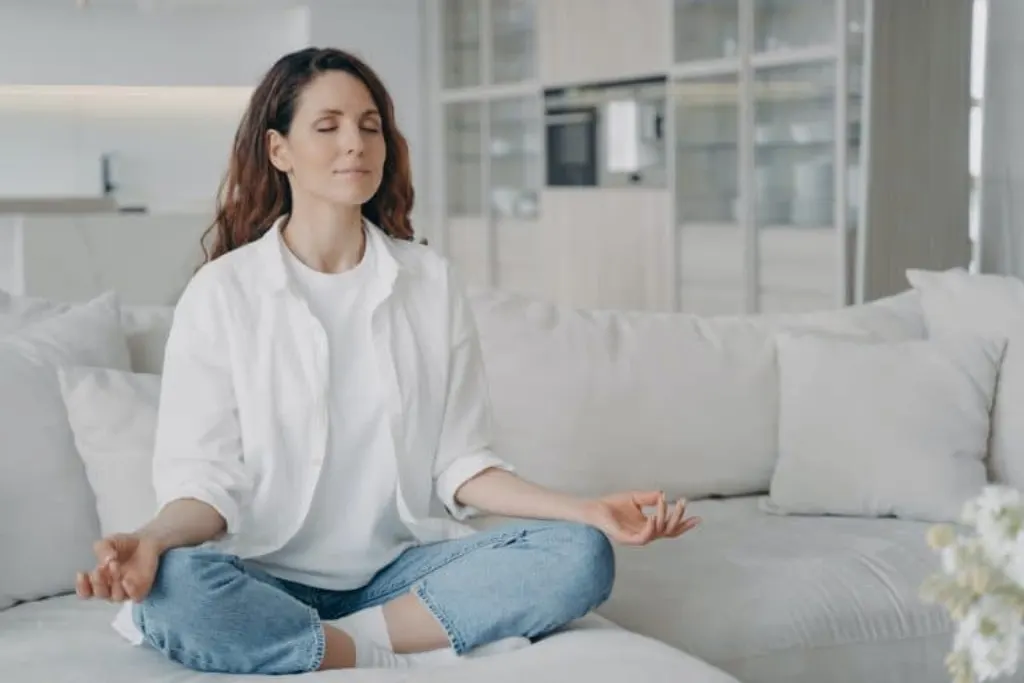
Mindfulness, also called mindfulness in English, is a meditative practice which consists of paying conscious and non-judgmental attention to the present moment. It allows you to observe your thoughts, your emotions, your physical sensations, your environment, but also the present moment, deliberately, without expectation, without judgment and without reaction. This technique can be practiced throughout the day, when walking, eating or sitting comfortably for example.
Beneficial effects on mental health
- Reduced stress andanxiety
- Improved concentration and creativity
- Development of empathy and compassion
- Reduction of depression symptoms
These benefits are notably supported by scientific studies, which highlight the positive effects of mindfulness on our mental health.
Mindfulness to overcome fear of the dentist
Stress and anxiety are emotions that we often feel in certain situations, such as at the dentist. According to an Opinion Way survey, 48% of French people say they feel anxious when they have to go to the dentist. For some of them, this anxiety reaches such levels that they delay going there until the need for care becomes an emergency.
Mindfulness can be a solution for those suffering from dental phobia, or stomatophobia. By focusing their attention on the present moment and observing their emotions without judgment or reaction, they can learn to manage their anxiety and better cope with these potentially stressful moments.
How to practice mindfulness?
There are several ways to practice mindfulness on a daily basis:
- Meditation guided: follow the instructions of a guide (app, video, audio) to focus on your breathing, your body sensations, etc.
- Walking meditation: walk slowly, paying attention to every movement, every sensation and every moment.
- Meditation while eating: take the time to savor each mouthful, paying attention to the textures, flavors, smells and sensations that result.
- Cardiac coherence exercises: this relaxation method consists of synchronizing your breathing to a precise rhythm to calm stress and anxiety. You just need to train for a few minutes a day to feel the effects.
Some videos to put mindfulness into practice:
Here is a YouTube mindfulness session video:
A very informative explanation of mindfulness:
La Pleine conscience
Stress, a risk factor for our physical health
Beyond the psychological consequences, it is important to remember that stress is also a real risk factor for physical health. According to Dr Pierre Setbon, cardiologist specializing in anti-stress medicine, “we have completely forgotten that stress is a real risk factor for heart disease, after tobacco and cholesterol”. Chronic stress causes an overproduction of hormones, including adrenaline and cortisol, which can be dangerous in the long term.
Mindfulness therefore appears to be an interesting solution not only to improve our mental well-being, but also to preserve our physical health. So why not try? Take the time to refocus on the present moment and let yourself be guided by this practice with multiple virtues. Your body and mind will thank you!
How to get started with mindfulness: tools to get started
Learning mindfulness can seem intimidating at first, but there are many tools to help you get started.
Mobile apps : There are a multitude of mobile applications that offer guided meditations to get started with mindfulness. Headspace, Calm and Insight Timer are some of the most popular. These applications offer programs suitable for all levels, from beginners to advanced practitioners.
Books : “Where you go, you are” by Jon Kabat-Zinn, “Mindfulness in action” by Chögyam Trungpa or even “The art of mindfulness” by Thich Nhat Hanh are excellent books for understanding and deepening the mindfulness practice.
Workshops and retreats : There are mindfulness workshops and retreats where you can learn and practice this technique under the guidance of an experienced instructor. These events are a great opportunity to fully immerse yourself in the practice and share experiences with other people.
Mindfulness and performance at work
Adopting mindfulness at work can also help improve employee performance and well-being. Indeed, several studies have shown that practicing mindfulness can help:
- Improve concentration and efficiency
- Stimulate creativity and innovation
- Reduce stress and burnout
- Improve the quality of interpersonal relationships
Many companies, including Google with its “Search Inside Yourself” program, have integrated mindfulness into their corporate culture to promote the well-being and efficiency of their employees.
Make mindfulness a way of life
There mindfulness is not only a meditative practice, it can also become a real way of life. Here are some suggestions for integrating mindfulness into your daily life:
- Take a mindful break: Stop for a few minutes several times a day to observe your breathing and body sensations.
- Practice gratitude: Take a moment each day to recognize and appreciate the good things in your life.
- Integrate mindfulness into your daily routines: Whether it’s taking a shower, drinking your coffee, or doing the dishes, every activity can become an opportunity to practice mindfulness.
- Listen attentively: When communicating with others, try to stay fully present and listen attentively without judging or reacting immediately.
By integrating mindfulness into your daily life, you can gradually transform your relationship with yourself, others and the world, and thus live a more balanced and fulfilling life.
Mindfulness and raising children
There is no age to start mindfulness. More and more schools are integrating the practice of mindfulness into their curriculum to help children better manage their emotions, improve their concentration and develop their empathy. According to several studies, mindfulness in children can lead to:
- Better management of emotions
- An improvement in the concentration
- Development of empathy and social skills
- Reduced stress and anxiety
There are many tools and resources available to introduce children to mindfulness, including books, apps, and educational programs designed specifically for children.
Beware of excess dopamine!
Pourquoi tu n’arrives plus à te concentrer ? #concentration #tiktok #dopamine #ecrans #focus
The role of teachers and parents in children’s mindfulness
Teachers and parents play a vital role in teaching children mindfulness. As a role model and guide, they can help children understand and integrate this practice into their daily lives. Here are some ways parents and teachers can encourage mindfulness in children:
- Initiate moments of mindfulness: This can be as simple as taking a few minutes each day to breathe deeply with the child, or practicing mindfulness during certain daily activities like eating or brushing your teeth.
- Teach Gratitude: Encouraging children to express gratitude for the little things in life can help them develop a positive attitude and appreciate the present moment more.
- Provide tools to manage stress: Children may face many stresses in their lives, whether at school or at home. Learning mindfulness techniques to manage stress can help them deal better with these situations.
Mindfulness: a practice accessible to all
In short, mindfulness is a practice accessible to everyone, regardless of your age, situation or skills. Whether you are looking to improve your mental health, manage your stress, improve your performance at work, educate your children or simply live a more conscious and fulfilling life, mindfulness has something to offer.
The important thing is to start small, taking a few minutes each day to focus on the present moment, and progress at your own pace. Remember, mindfulness is a journey, not a destination. So why not take the time today to begin this journey towards a more conscious and fulfilling life?
Notez cet article
Read next
 News
NewsFind out how to erase anxiety from your life in record time!
Nowadays, more and more people suffer from anxiety and are looking for solutions to find a more peaceful life. In this…
 News
NewsDiscover THE Infallible Method to Boost your Motivation 24/7!
In our current society, it is often difficult to maintain a high level of motivation to achieve our personal and…
 News
NewsRevolutionize your Life with Coaching: The Infallible Method to discover now!
Personal development is an ongoing process that aims to improve our quality of life, our relationships and our personal…
 News
NewsDiscover the SHOCK method of the “scary hour” which will eradicate your procrastination and increase your productivity tenfold! Try it now!
In our current society, traveling by plane has become an essential and rapid means of transportation. However, many…