show index hide index
- The advantages of cardboard in the garden
- How to use cardboard to prepare your vegetable garden
- Effective mulching against weeds
- Decomposition: an asset for the garden ecosystem
- A tool for zero waste gardening
- Integrate cardboard into the cultivation method
- Cardboard in winter: an investment for summer
- Permaculture: a return to nature with cardboard
- The advantages of cardboard in the garden
- Frost protection
- Moisture conservation
- How to use cardboard in your vegetable garden
- An ally for starting a vegetable garden
- Cardboard, a sustainable gardening superhero
- Interacting with biodiversity
It’s time to give new life to an often underestimated material: cardboard. In the universe of permaculture, this little-known ally reveals unsuspected benefits for your vegetable garden. Whether to enrich the soil, conserve moisture or smother weeds, cardboard stands out as a real asset. By integrating it intelligently into your gardening practices, you will discover how it can transform your growing space into a healthy and thriving environment. Embark on this adventure where cardboard becomes the hero of your garden!

In the world of committed gardening, permaculture stands out for its natural and environmentally friendly methods. Among these techniques, the use of cardboard as a gardening material turns out to be a real treasure. This material, often overlooked, has multiple benefits for improving the health of your vegetable garden. In this article, we will explore how cardboard can become an essential ally for a thriving and sustainable garden.
The advantages of cardboard in the garden
Cardboard is not just a simple container to recycle. In the garden, it becomes a mulching natural with multiple benefits. First, it allows protect your crops early frosts by providing an insulating cover. Then, the cardboard helps to preserve thehumidity in the soil, just what you need to keep your vegetables thriving even on hot summer days.
How to use cardboard to prepare your vegetable garden
To get the most out of cardboard, it is recommended to install it in the fall or early winter. By doing this, you are setting the stage for the months to come. By placing brown boxes directly on the ground, you generate an environment conducive to decomposition, enriching the soil with essential nutrients for your future plantings.
Effective mulching against weeds
One of the great advantages of using cardboard in permaculture is its ability to smother weeds. By blocking light, it reduces competition for your plants. The solution is simple: spread layers of cardboard on your soil and watch your vegetable garden free itself of these undesirables, while nourishing the soil over time.
Decomposition: an asset for the garden ecosystem
With moisture and the elements, the cardboard will slowly break down. This natural process offers earthworms and other microorganisms a nutritious feast, contributing to the vitality of your soil. Over the weeks, this material will enrich your soil organically, while reducing the need for chemical fertilizers.
To read Gardening: The advantages of waiting until August 15 to trim your hedge
A tool for zero waste gardening
Using cardboard also means doing something for the planet. By reusing what is often considered waste, you actively participate in an approach to zero waste gardening. So, by opting for this method, you reduce the quantity of waste sent to landfill while beautifying your green space.
Integrate cardboard into the cultivation method
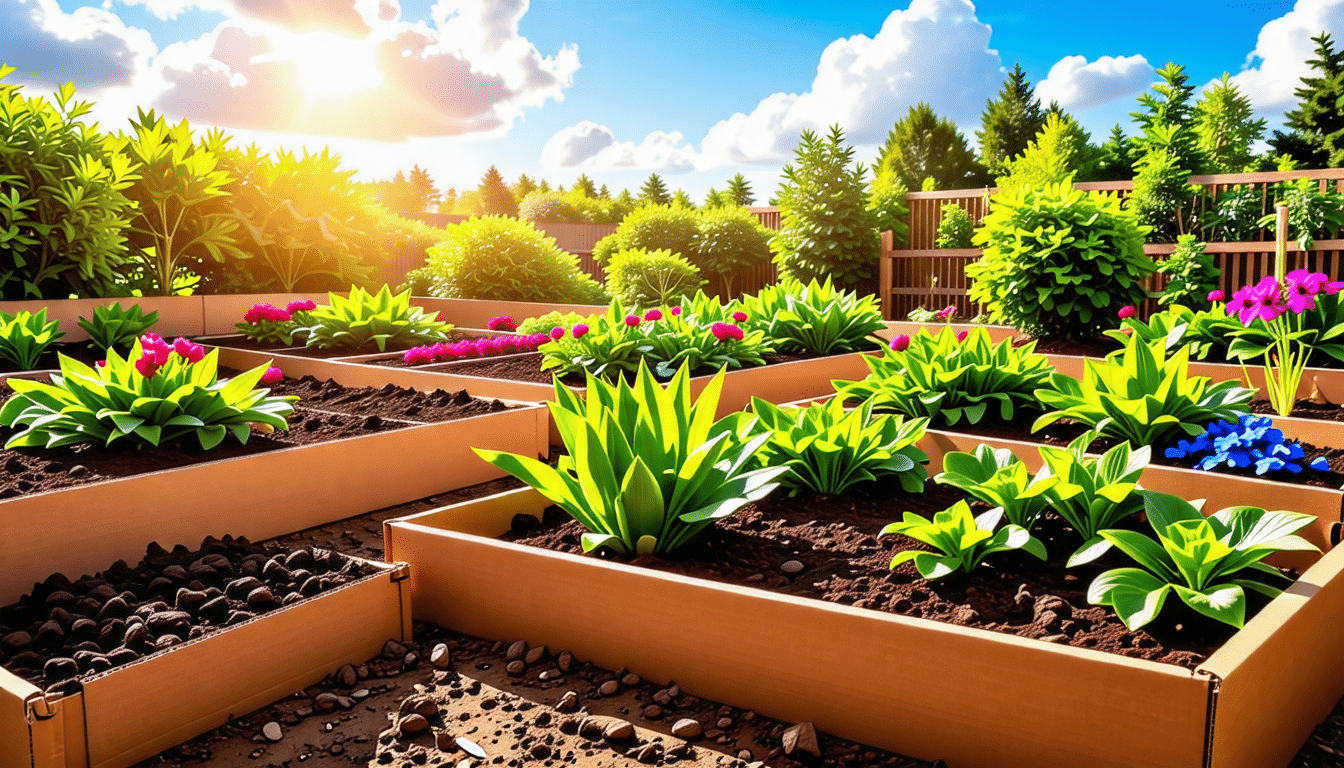
For those who wish to start a vegetable garden without work the ground, cardboard offers an ideal solution. By layering cardboard boxes on top of the soil, you create a natural raised garden, perfect for growing all kinds of crops. Whether vegetables, aromatic herbs or edible flowers, this system facilitates the development of your plantations in the best conditions.
Cardboard in winter: an investment for summer
Preparing your vegetable garden for summer, starting in winter, has never been easier thanks to cardboard. By laying this protective material, you create a layer of protection which will guarantee the fertility of your soil for sunny days. Your plantations will be more successful and more resilient in the face of the climatic hazards we experience.
Permaculture: a return to nature with cardboard
If you are looking for an effective method to improve your vegetable garden, do not underestimate the power of cardboard. This often neglected material could become your best ally in permaculture. When used judiciously, cardboard offers many benefits: from protection against frost, to moisture conservation, to its role as mulch to smother weeds. Let’s find out together how to integrate this ecological accessory into the heart of your garden!
The advantages of cardboard in the garden
Cardboard is incredibly versatile and has many benefits in gardening. First of all, its use as mulching is one of the most remarkable. By covering the ground with cardboard, you filter the light, which effectively smothers weeds. Additionally, this material decomposes slowly, enriching the soil with nutrients over time.
Frost protection
In winter, cardboard acts as an insulating layer, protecting your crops from freeze. Installing cardboard in the fall allows you to prepare your vegetable garden for the following season. This way, your plants will benefit from increased protection, reducing winter stress and promoting a healthy recovery in spring.
Moisture conservation
Cardboard also has the ability to retainhumidity in the ground. Which is particularly beneficial during periods of drought. Thanks to its absorbent power, it limits evaporation, allowing your plants to retain the water they need to flourish. The result? More abundant and flourishing harvests without the need for excessive watering.
How to use cardboard in your vegetable garden
Integrating cardboard into your vegetable garden is simple and accessible to everyone. To get started, simply tear it into pieces or leave it whole depending on your preference. Then place the pieces directly on the ground, making sure to cover the entire surface. Be sure to remove staples and non-biodegradable items to preserve the biodiversity of your garden.
To read Essential tips to ensure agapanthus blooms all summer long
An ally for starting a vegetable garden
For those who wish to start a vegetable garden, the cardboard method is very effective. By placing boxes on virgin land, you prepare the ground without having to work it. After a few months, the cardboard will decompose and help enrich the substrate, ready to welcome your seeds or plants!
Cardboard, a sustainable gardening superhero
Using cardboard in permaculture is not just an eco-responsible idea, it is a real strategy. By acting as a superhero gardening, it reduces watering needs, enriches the soil and smothers weeds without using chemicals. Taking advantage of this natural resource is essential for an environmentally friendly practice.
Interacting with biodiversity
Earthworms and other micro-organisms get along well with cardboard. As it decomposes, this material attracts these little beings which will enrich your land. Their action will help aerate the soil and promote a healthy ecosystem in your vegetable garden, which is fundamental for a thriving crop.
