How is automation revolutionizing our daily lives?

Contents8
An introduction to automation
Automation is a term that is increasingly present in our modern society. Whether in our homes, workplaces or even our cars, automation plays a vital role in our daily lives. But what exactly is automation and how does it affect us? In this article, we’ll explore automation in detail, explaining how it works, its pros and cons, and how it impacts different aspects of our lives.
Automation in our daily lives
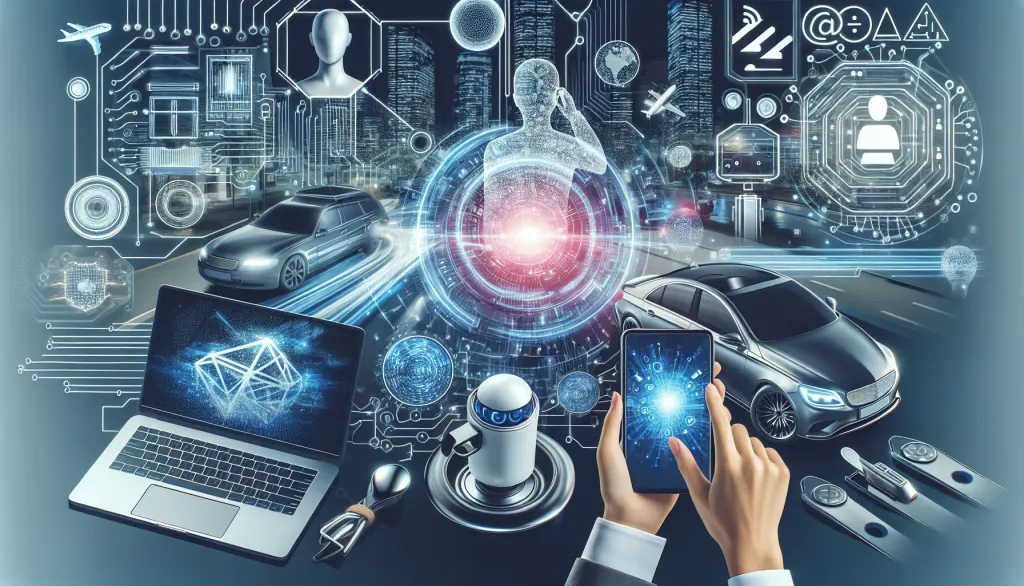
Automation refers to the use of technologies and systems to perform tasks without direct human intervention. This can range from simple tasks, like turning on the lights with a voice command, to more complex tasks, like sorting and packing products in a factory. Automation is present in many fields, such as home automation, manufacturing, logistics and even medicine.
In our homes, for example, automation allows us to control our electronic devices remotely. With virtual assistants like Amazon Echo or Google Home, it is possible to turn on the television, adjust the temperature in the house or even place online orders without having to lift a finger. In factories, automation helps increase productivity by using robots to perform repetitive and dangerous tasks, while reducing the risk of human errors.
The benefits of automation
Automation has many benefits in different areas of our lives. First of all, it improves the efficiency and precision of tasks. Machines are able to work faster and with consistent precision, helping to reduce errors and increase productivity. Additionally, automation also frees humans from repetitive and time-consuming tasks, giving them more time to focus on more creative and intellectual tasks.
Additionally, automation can also help improve quality of life by making daily tasks easier and more convenient. For example, self-driving cars can reduce traffic congestion and improve road safety, while smart devices can make it easier to manage our homes and electronic devices. Additionally, automation can also help reduce production costs and increase market competitiveness.
The disadvantages of automation
Although automation has many benefits, it also raises significant concerns. First, automation can lead to job losses, replacing human workers with machines. This can cause economic and social hardship for some people, especially those whose jobs are directly threatened by automation. Additionally, automation can also pose challenges in terms of security and data privacy. For example, the use of automated systems in computer networks can increase the risk of cyberattacks and data theft.
The future of automation
Automation will continue to play an increasingly important role in our society. Technological advances, such as artificial intelligence and machine learning, will enable the development of even more advanced and sophisticated automated systems. However, it is important to find a balance between automation and preserving human jobs. Education and training of workers will be essential to adapt to new labor market demands.
In short, automation is a growing trend that impacts many aspects of our daily lives. It has many benefits in terms of efficiency, convenience and improved quality of life. However, it also raises important questions and challenges. It is essential to understand the impact of automation and find solutions to get the most out of it.
The impact of automation on employment
The impact of automation on employment
Automation is a term that comes up more and more often in discussions about the future of work. With the rapid advancement of technology, many tasks once performed by human workers are now automated through robots, algorithms, and software. This automation has a significant impact on employment, changing the nature of existing jobs and creating new challenges for workers.
The substitution of jobs by automation
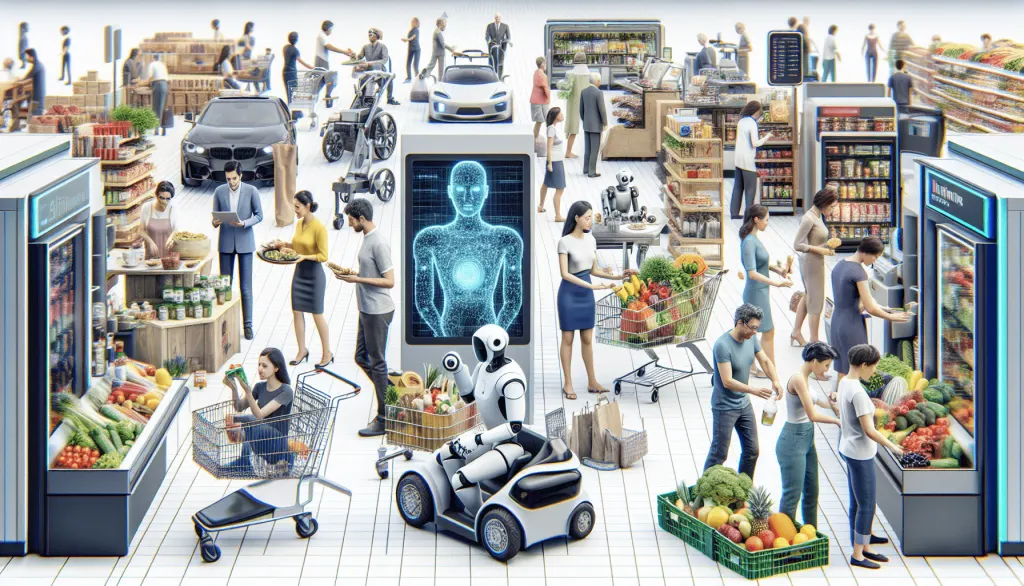
One of the direct consequences of automation is the substitution of human jobs by machines. Many professions, particularly in manufacturing and industry, have been transformed by the arrival of robots capable of performing repetitive tasks faster and more precisely than human workers. Self-checkouts in supermarkets and ATMs are perfect examples.
The benefits of automation
Automation also has many benefits. It helps increase productivity, reduce errors and improve the quality of products and services. It also allows workers to focus on more complex, higher-value tasks requiring human skills such as creativity, problem-solving and communication. Data analysis work, for example, is increasingly automated, allowing analysts to focus on interpreting results rather than collecting and processing data.
Transformation of existing jobs
Automation is not just about eliminating jobs. It also leads to a transformation of existing jobs. Some routine tasks can be automated, allowing workers to focus on more skilled tasks requiring specific human skills. For example, in the medical field, automating administrative tasks can allow doctors to spend more time with their patients.
Creating new jobs
Although automation may eliminate some jobs, it also creates new ones. New technologies such as artificial intelligence, robotics and the Internet of Things generate new needs in terms of development, maintenance and management of these technologies. Additionally, automation can also create new job areas, such as cybersecurity or data management.
The challenges to be met
Automation, however, presents significant challenges for workers. Some jobs may become obsolete, requiring career retraining to remain employable. Additionally, automation can accentuate social inequalities, as it favors trained workers and established businesses, leaving out less-skilled workers and small businesses. It is therefore essential to put in place measures to mitigate these inequalities and ensure a smooth transition to an automated economy.
Automation has a profound impact on employment, changing existing jobs and creating new challenges for workers. However, it also has many advantages in terms of productivity and quality of products and services. It is important to find a balance between automation and human skills, in order to preserve jobs while reaping the benefits of technology.
Automation and improving our comfort
Automation and improving our comfort
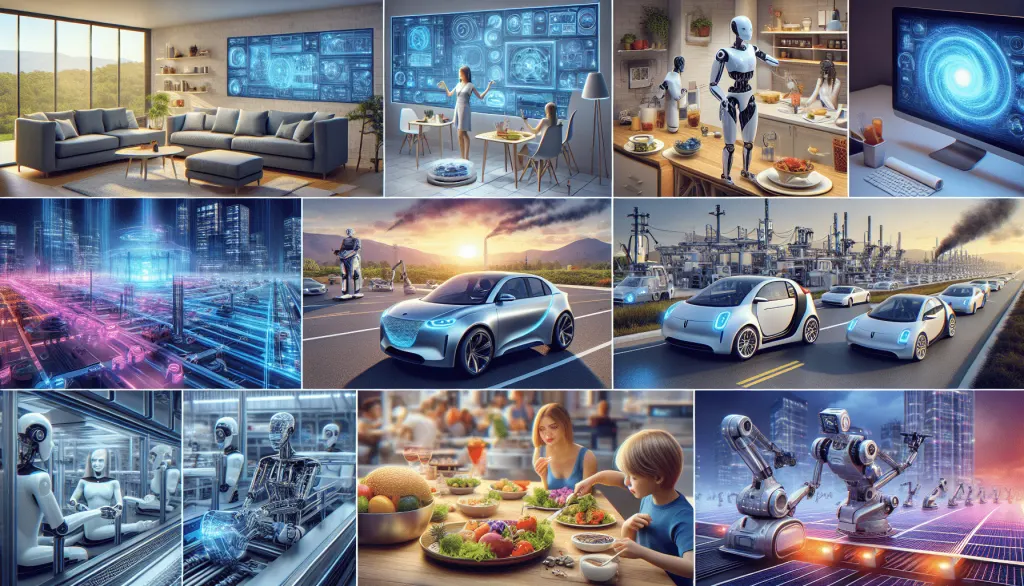
Automation is revolutionizing the way we live by providing a multitude of services that improve our daily comfort. Thanks to advanced technologies, many tasks are now taken over by machines, allowing us to save time and focus on more enjoyable activities. In this article, we will explore the different areas where automation has a positive impact on our comfort.
Automation in the home
The intelligent home, or smart home, is a concrete example of automation serving our comfort. Thanks to sensors and connected systems, it is now possible to remotely control lighting, temperature, appliances, and much more. Voice assistants, such as Google Assistant or Amazon Alexa, even allow these features to be controlled by voice, making interaction with the home even more convenient and intuitive.
Additionally, automation helps make our home safer. Sophisticated security systems, like connected surveillance cameras or smart alarms, help us protect our homes. By detecting intrusions or suspicious behavior, these systems allow us to react quickly and take the necessary measures to ensure our security.
Automation in transportation
Advances in automation are also being felt in the field of transport, with obvious benefits in terms of comfort. Self-driving cars, for example, promise to simplify our travels by eliminating the need to drive. With an autonomous car, it is possible to rest, read, work or enjoy entertainment during the journey, which significantly improves our comfort and productivity.
Additionally, on-demand transportation services, such as Uber or Lyft, have become extremely popular thanks to automation. It only takes a few clicks on a mobile app to book a driver, avoiding long waits and the hassle of finding a taxi. This type of service makes our travels faster and more pleasant, thus improving our comfort.
Automation in healthcare
Advances in automation are also having a significant impact in healthcare, improving our comfort during medical consultations or hospital stays. For example, robot surgeons are capable of performing complex operations with extreme precision, reducing the risk of human errors. These automated technologies make medical procedures more efficient and less invasive, thereby improving patient comfort.
In addition, connected medical devices, such as blood pressure monitors or smart glucometers, allow patients to monitor their health at home, thus avoiding numerous trips to the hospital. These automated technologies make medical monitoring more convenient and comfortable, giving us more control over our own health.
With automation, our daily lives are transformed into a more comfortable and smooth experience, where tedious tasks are taken care of by machines. Whether in our home, our travels or our health, automation offers us many opportunities to fully enjoy our lives. It is therefore essential to seize these opportunities and explore automated technologies that can improve our comfort and well-being.
The challenges and opportunities of automation
Automation is a term that arouses both curiosity and apprehension. While some see it as a threat to jobs and society, others see it as an opportunity for progress and simplification. In this article, we will explore the challenges and opportunities related to automation, highlighting the different perspectives and examining the areas in which it plays a major role.
Automation in the manufacturing industry
The manufacturing industry is one of the sectors where automation is most prevalent. Robots and automated machines are used to perform repetitive and dangerous tasks, thereby increasing efficiency and productivity. However, this raises challenges such as the need to train workers in new skills and find solutions for those whose jobs have been replaced by machines. However, automation also offers opportunities by allowing companies to focus on higher value-added tasks and innovate in their production process.
Automation in transportation
Transportation is also being affected by automation, with the emergence of self-driving cars and delivery drones. Although there are challenges in terms of safety and regulation, automation offers potential benefits such as reducing road accidents, optimizing journeys and reducing pollution. Companies such as Tesla And Amazon are investing heavily in this technology, opening the way to multiple opportunities in the transport sector.
Automation in services
Services are not left behind when it comes to automation. Chatbots and automated processes are used in call centers and customer services to handle queries efficiently. Of course, this poses a challenge in terms of customer relations, but also allows companies to provide faster and more accurate service. Additionally, automation offers the possibility of developing new services based on artificial intelligence, such as virtual personal assistants.
Automation in healthcare
In the healthcare sector, automation is synonymous with progress and better patient care. From robot surgeons to automated monitoring devices, technological advances are improving medical care. However, this raises ethical and data privacy issues, as well as challenges in training healthcare professionals. However, automation offers opportunities to improve diagnostics, reduce medical errors, and develop new treatments.
In summary, automation presents both challenges and opportunities in a multitude of areas. It is important to understand that automation is not intended to replace humans, but rather to free them from repetitive tasks and allow them to focus on higher value-added activities. It is essential to adapt our skills and approach to fully realize the benefits of automation in our daily lives.
Notez cet article
Read next
 AI news
How is automatic reasoning revolutionizing our daily lives?
The growing role of automatic reasoning is revolutionizing many fields, and machine reasoning plays a key role in this…
 AI news
Can AI really revolutionize our daily lives?
AI: a technological revolution in progress AI: a technological revolution in progress is today at the heart of many…
 AI news
How do algorithms shape our daily lives?
The growing influence of algorithms in our daily lives The growing influence of algorithms in our daily lives The…
 AI news
How will incremental AI revolutionize our daily lives?
What is incremental AI? has seen major advances in recent decades, but a new branch of this technology is beginning to…