Rumors of Paris being colored purple before the Olympic Games worry tourists, artificial intelligence involved
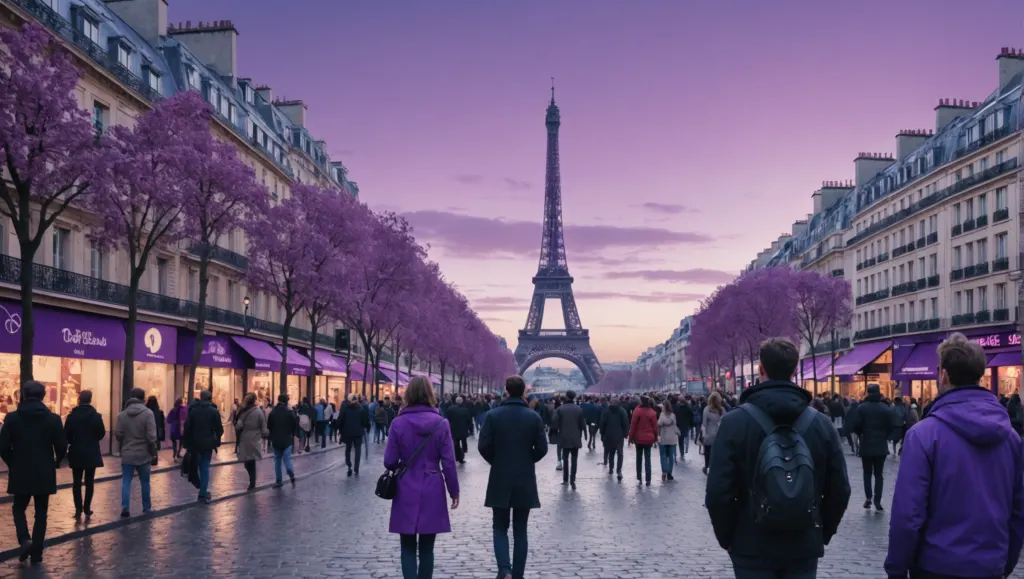
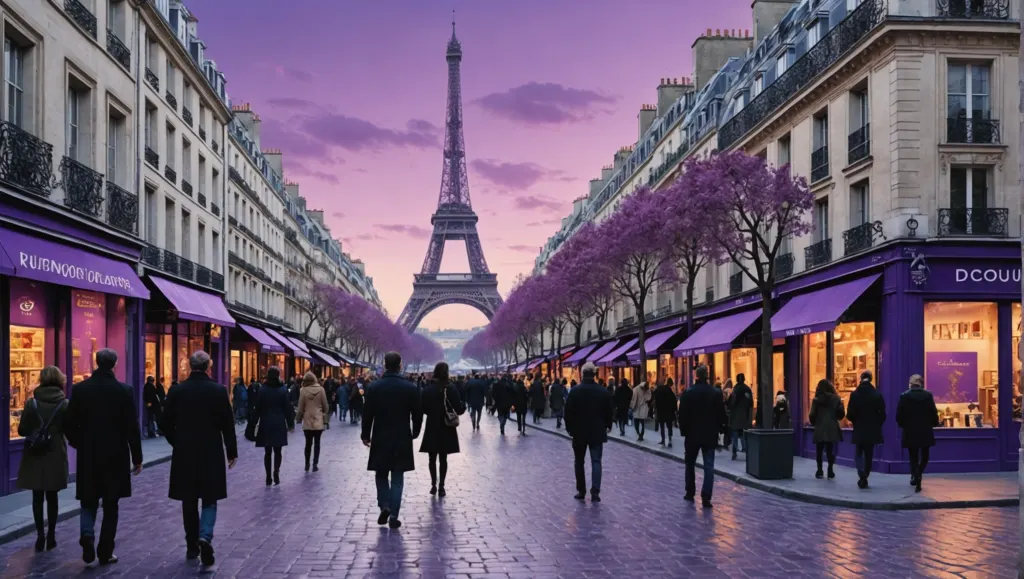
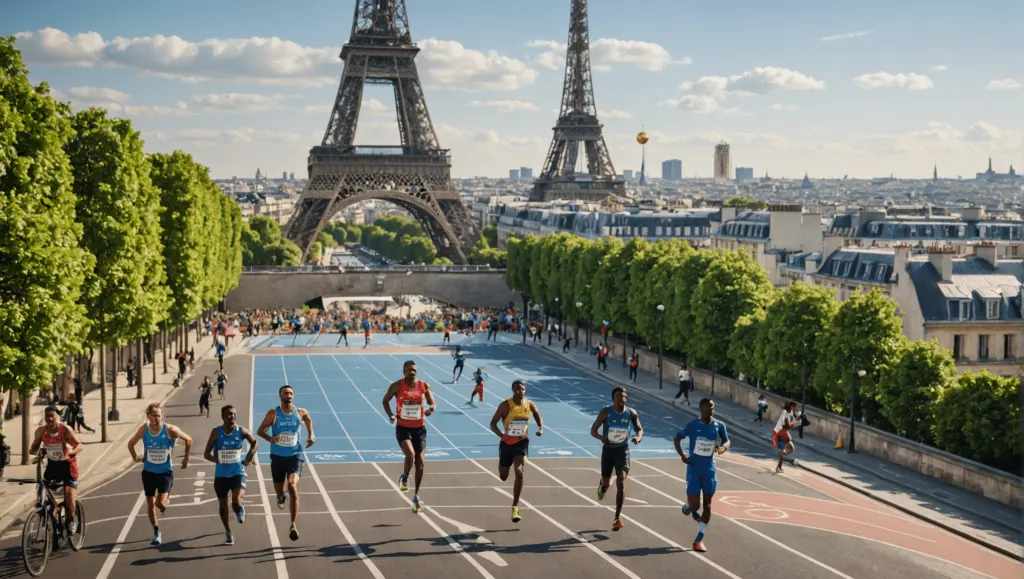
The streets of Paris are adorned with purple, giving rise to worrying rumors in this pre-Olympic Games period. A mysterious artificial intelligence seems to be involved in this surprising phenomenon, arousing the curiosity and fear of tourists.
The impact of viral images on social networks
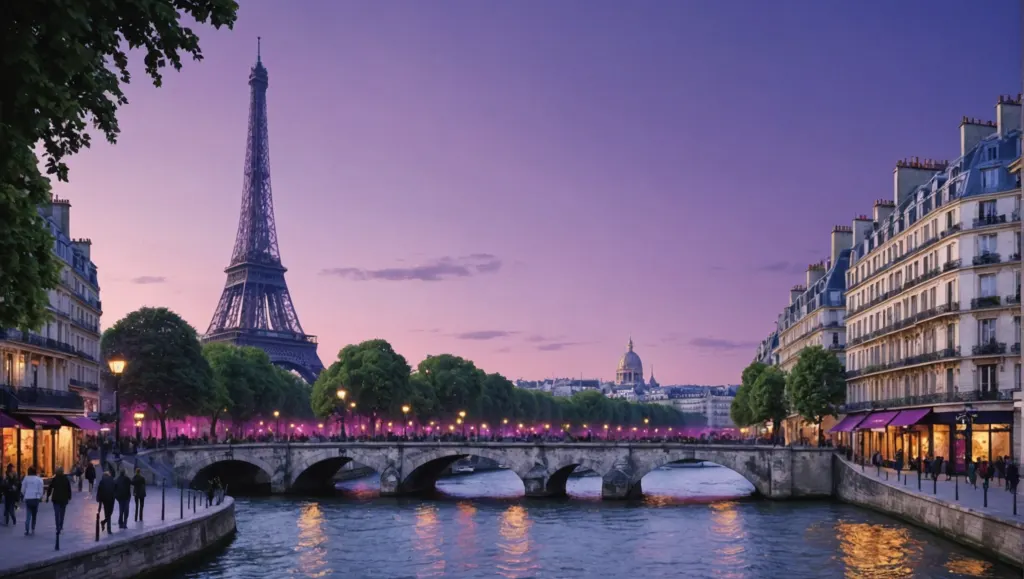
THE social networks ignited when images of Paris, repainted in purple, began to circulate. These photos, generated by a artificial intelligence (IA), created a real buzz, sowing confusion and intrigue among tourists. The bright and unusual colors captivated global attention, leaving many spectators perplexed.
The origin of images and their distribution
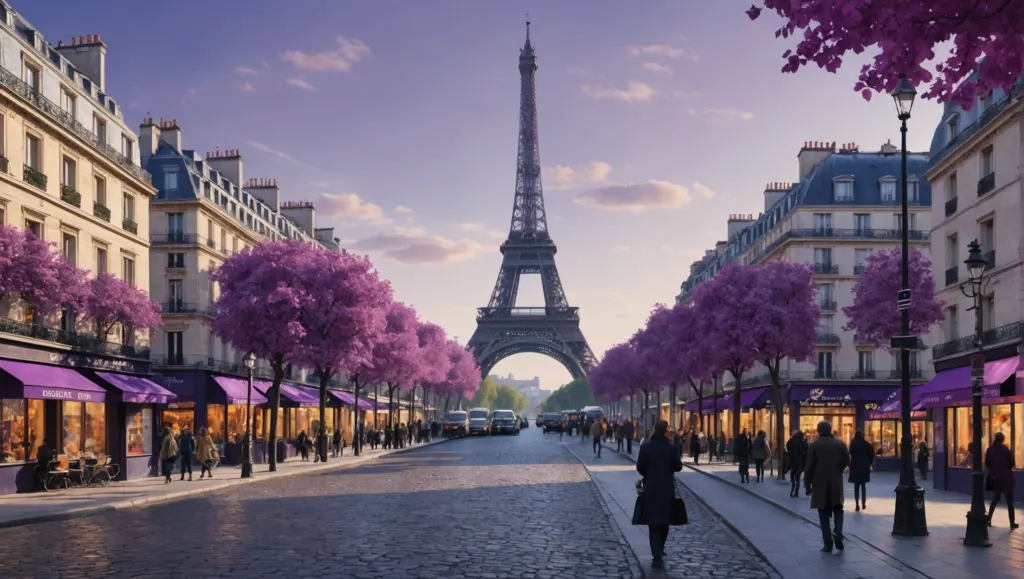
These images were first published on Xiaohongshu, a Chinese platform, by a digital artist under the pseudonym Muse_note. Using deep neural networks, particularly GANs (Generative Adversarial Networks), the artist transformed his ideas into impressive visuals that looked realistic.
Reactions and skepticism
While these images have been widely shared, some observers have expressed skepticism. Details such as uneven lines and the wrong proportions of buildings betrayed their AI-generated nature. The mention “Created with AI” appearing in the images eventually dispelled doubts, although a large number of people were initially fooled.
The importance of shades of purple for the Olympics
Rumors of Paris preparing to host the Olympic Games in a purple palette were reinforced by the explanations of Alain Blondel, former decathlete in charge of the athletics events at the Paris Games. According to him, the two shades of purple were intended to offer a maximum contrast for television, better highlighting the athletes’ performances.
Visual errors that reveal deception
Despite the beauty of the images, visual inconsistencies allowed experts to detect their falsification. THE uneven lines and certain errors in the proportions of the buildings have raised questions. This is reminiscent of other incidents where AI-generated images had been taken for real photos.
- Spread: Images spread on Xiaohongshu, then on global social networks
- Origin: Created by digital artist « Muse_note » with GANs
- Reactions: Curiosity, confusion, and skepticism
- Misleading details: Uneven lines, wrong proportions
- Reason for shades: Contrast for television
- Mention: “Created with AI”
- Confirmation: Research on Xiaohongshu
- Intervention: AFP to demystify images
- Impact: Attention and confusion among tourists
- Similar example: Fictional McDonald’s in the Egyptian Pyramids
FAQs
Q: Why does Paris appear purple in some images?
A: These images were generated by a artificial intelligence and broadcast via the Xiaohongshu platform.
Q: Who is behind the creation of these images?
A: A digital artist using the pseudonym Muse_note.
Q: Are these pictures real?
A: No, they were created using technology.artificial intelligence.
Q: Why were these images created?
A: To arouse interest and stimulate collective imagination, using algorithms GAN.
Q: What was people’s reaction to these images?
A: Curiosity, confusion, and a certain skepticism particularly because of visual errors.
Q: Are shades of purple significant for the Paris Olympics?
A: Yes, they offer a maximum contrast for television, according to the organizers of the events.
Q: Who clarified the nature of these images?
A: AFP intervened to demystify these digital creations.
Q: What other AI-generated images have misled the public?
A: For example, images of a Fictional McDonald’s in the pyramids of Egypt.
Notez cet article
Read next
 AI news
Paris 2024 Olympic Games: An AI analysis of gold medals and future records
The Paris 2024 Olympic Games are shaping up to be a landmark event not only for athletes, but also for the entire world…
 AI news
Video Discovery: Hailuo 2 AI Revolutionizes Dog Sports with Its Own Olympic Games
Prepare to be blown away by the latest technological innovation shaking up the world of dog sports: Hailuo 2. This not…
 AI news
Olympic Games 2024: a revolutionary Swiss watch to monitor athletes’ performances in real time
As the 2024 Summer Olympics approach, technological innovation is taking to the field with a revolutionary Swiss watch…
Paris International Agricultural Show 2026: Artificial intelligence at the service of farmers’ choices and ambitions
The 2026 Paris International Agricultural Show highlights a new era where is fully integrated into agricultural…