Steve Jobs’ fascinating vision of artificial intelligence and ChatGPT, revealed in 1983

Contents9
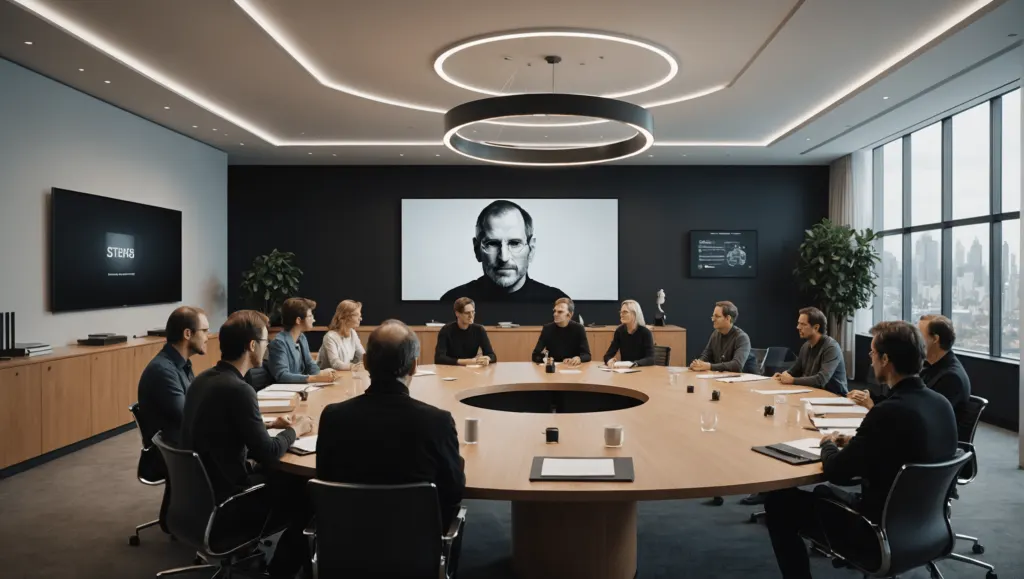
In 1983, Steve Jobs, visionary and co-founder of Apple, began exploring concepts that went far beyond his time. Among his thoughts was a prescient intuition about artificial intelligence, a topic that decades later is taking center stage in technology with dazzling advances like ChatGPT. Jobs already saw the transformative potential of machines capable of learning and interacting with humans, an idea that continues to resonate in our modern societies. This vision, both fascinating and largely untapped at the time, invites us today to reflect on the implications of AI in our daily lives and how innovative ideas can shape the future.
Steve Jobs’ futuristic vision in 1983
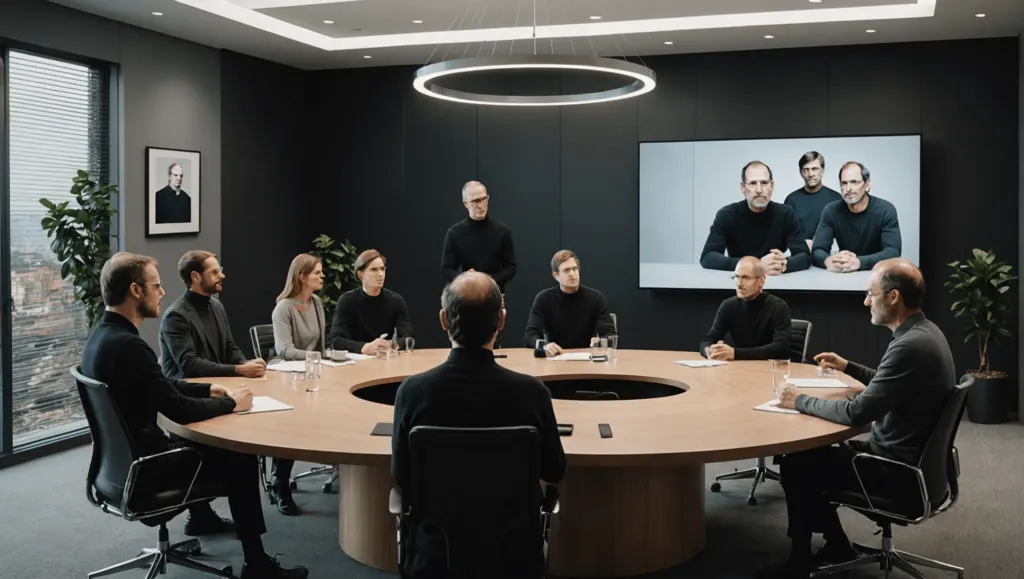
In 1983, during a conference, Steve Jobs, co-founder ofApple, laid out predictions that would shape the future of computing. His vision proved incredibly prescient, anticipating technologies that would revolutionize our daily lives decades later.
The advent of personal computers
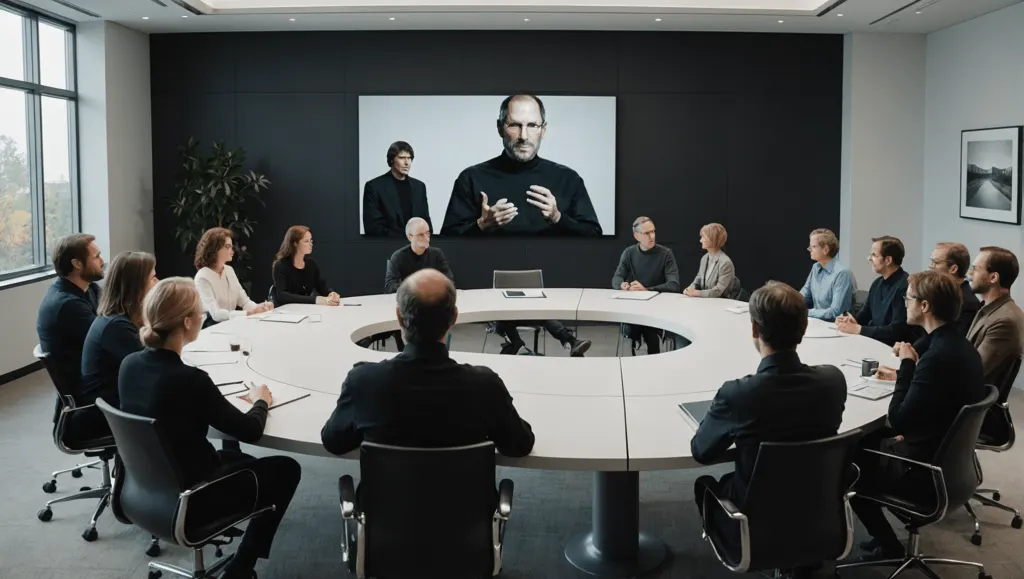
One of Jobs’ major predictions was that, by 1986, personal computers would surpass cars in terms of sales. At a time when computers were still far from commonplace, this idea seemed revolutionary. Today, this preaching has come to fruition, with computers being omnipresent in our homes and offices.
Artificial intelligence seen by Steve Jobs
But that wasn’t all. Jobs also discussed the possibility of software capable to absorb, process and restore an immense quantity of information. A remarkably accurate description of the capabilities of modern AIs like ChatGPT. These language models, capable of generating text, images and even code, perfectly reflect Jobs’ visions.
Societal impact of computers and AI
Jobs also understood the social implications of these technologies. He saw how computers and AI would transform the way we communicate, work and think. Ideas that resonate deeply in our current reality, where these technologies play a central role.
Preaching and John Ive
John Ive, a renowned designer who worked closely with Steve Jobs, has often expressed his amazement at Jobs’ foresight. His vision, not only of the rise of computers, but also of the future of AI, underlined a deep understanding of the transformations to come.
Comparative tables of Steve Jobs’ visions
List of technological advances predicted by Jobs
- Computers omnipresent in homes
- AI capable of processing large amounts of data
- Transformation of communication methods
- Profound impact on the world of work
Fascinating archival video
The Steve Jobs archives include videos of his presentations, such as one on the Apple Lisa, one of the first consumer computers with a graphical interface and a mouse. These documents provide a captivating look at Jobs’ vision and influence on the IT field.
FAQs about Steve Jobs’ vision in 1983
Why is Steve Jobs considered a visionary?
Steve Jobs had an unparalleled ability to anticipate the future of information technology and understand its societal impact.
He predicted that sales of personal computers would surpass those of cars by 1986.
He spoke of software capable of absorbing, processing and returning large amounts of information, heralding modern AI.
Contemporary AIs like ChatGPT, capable of generating text and images and processing massive data, reflect his predictions.
He saw computers and AI as transformative elements of human communication, work and thought.
Notez cet article
Read next
 AI news
ChatGPT: voice mode finally has the vision to interact with your screen!
Get ready to revolutionize your interaction with ! ChatGPT takes a leap forward with the introduction of its advanced…
 AI news
The Impact of AI on the Job Market: OpenAI CEO Predicts the Disappearance of Certain Jobs – Is ChatGPT a Threat to Your Professional Future?
In a changing world, artificial intelligence emerges as a key player, transforming the work landscape. THE CEO of…
 AI news
OpenAI imagines a future where artificial intelligence could replace your jobs with ChatGPT
OpenAI is not just a simple company, it is the laboratory of ideas that could redefine our relationship to work.…
OpenAI unveils its ChatGPT earbuds in a sneak preview: an unexpected surprise revealed by a leak
A rumor is setting the tech world ablaze: OpenAI might be about to drop a real bombshell with its ChatGPT earbuds,…