The 3 major obstacles that could slow down the artificial intelligence revolution
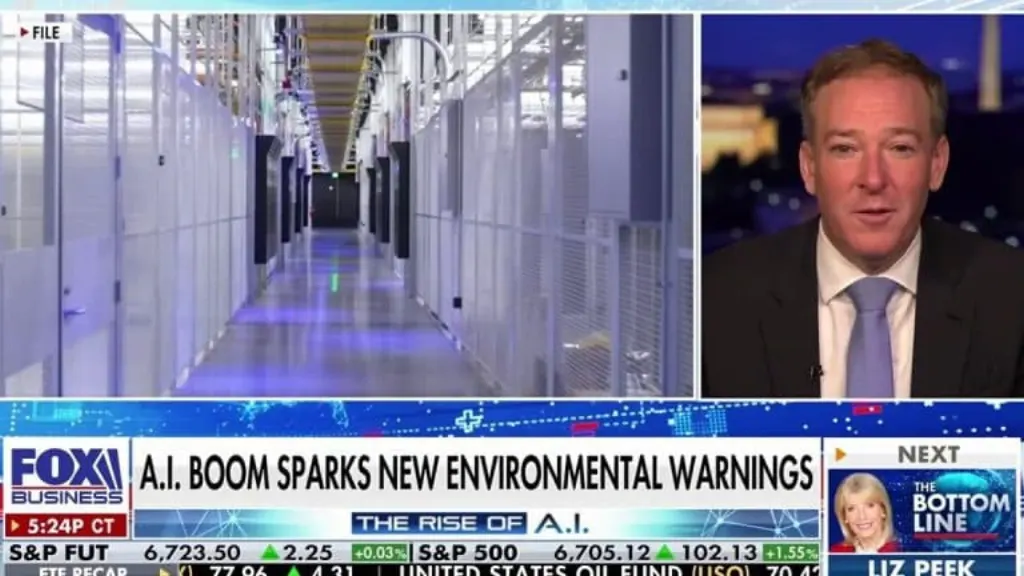
The artificial intelligence revolution is often perceived as an inevitable movement, but behind this palpable enthusiasm lie major obstacles that could instantly bring the whole edifice to its knees. As AI becomes increasingly integrated into our daily lives and transforms our professions, three latent threats loom on the horizon, ready to destabilize this growth. These risks have already been identified but are largely underestimated and deserve special attention before it’s too late.While artificial intelligence seems poised to become ubiquitous in all aspects of modern life, significant obstacles exist that could hinder its development. This article explores the three main threats that could bring the AI revolution to a screeching halt: security shocks, legal constraints, and disruptive innovation. Security Shocks and AI Misuse The first, and perhaps most significant, threat lies in the security shocks that could emerge from the malicious use of AI. While artificial intelligence is often seen as a tool for progress, it also has the potential to be misused for criminal purposes. Malicious groups could leverage its capabilities to orchestrate sophisticated attacks or manipulate public opinion through deepfakes. The democratization of AI tools, particularly through open-source models, exacerbates this risk. It becomes accessible to anyone, including unscrupulous actors, to exploit these powerful technologies. Another risk factor lies in the global dependence on Taiwan for semiconductor production. A single conflict could be enough to disrupt the supply chain and thus paralyze AI applications. Legal Obstacles to Overcome The second obstacle to the rise of AI stems from the legal landscape.
AI learning models are often fed by massive amounts of data collected online. When conflicts arise regarding the use of this data, legal issues can quickly emerge. Authors, artists, and media outlets begin to strongly contest how this data is being used. Complaints multiply, thus threatening the development of AI applications. If a court were to rule that certain data has been used illegally, the consequences could be dramatic: obligations to retrain models, damages to pay, or even the temporary suspension of services. The ongoing lawsuit between the New York Times and OpenAI is a perfect example. Such legal decisions could slow down the entire AI ecosystem.
Innovation: A Double-Edged Sword
Finally, the third major obstacle to the AI revolution is, paradoxically, innovation itself. In a rapidly growing field, a radical technological breakthrough could trigger a genuine economic earthquake. Imagine a new, free, open-source AI model succeeding in outperforming the industry giants that dominate the market. This would instantly jeopardize billions of dollars in investments and could trigger panic in the financial markets. Even a mere rumor of disruptive innovation, as was the case with DeepSeek, can be enough to send investors into a frenzy. The rapid pace of innovation in the tech sector also makes these risks extremely difficult to anticipate, creating a climate of uncertainty that could destabilize the current momentum surrounding AI.
Notez cet article
Read next
 AI news
The reasons why the AI Act does not slow down technological innovation
With the entry into force of the new European regulation on , the AI Act, some concerns have been raised about its…
Artificial intelligence: The three major vulnerabilities that could trigger a disruption
The advent of has revolutionized various sectors, bringing significant advancements. However, this technology also…
 AI news
Siri could well overtake ChatGPT: discover Apple’s major asset
In a constantly evolving technological landscape, the time may have come for Siri to transform its image and assert…
 AI news
Artificial intelligence now surpasses human meteorologists: a major revolution
has just achieved an incredible feat: exceed the skills of human meteorologists. In a field where intuition and decades…