The Impact of Generative AI on Our Minds: How ChatGPT Influences Our Thinking
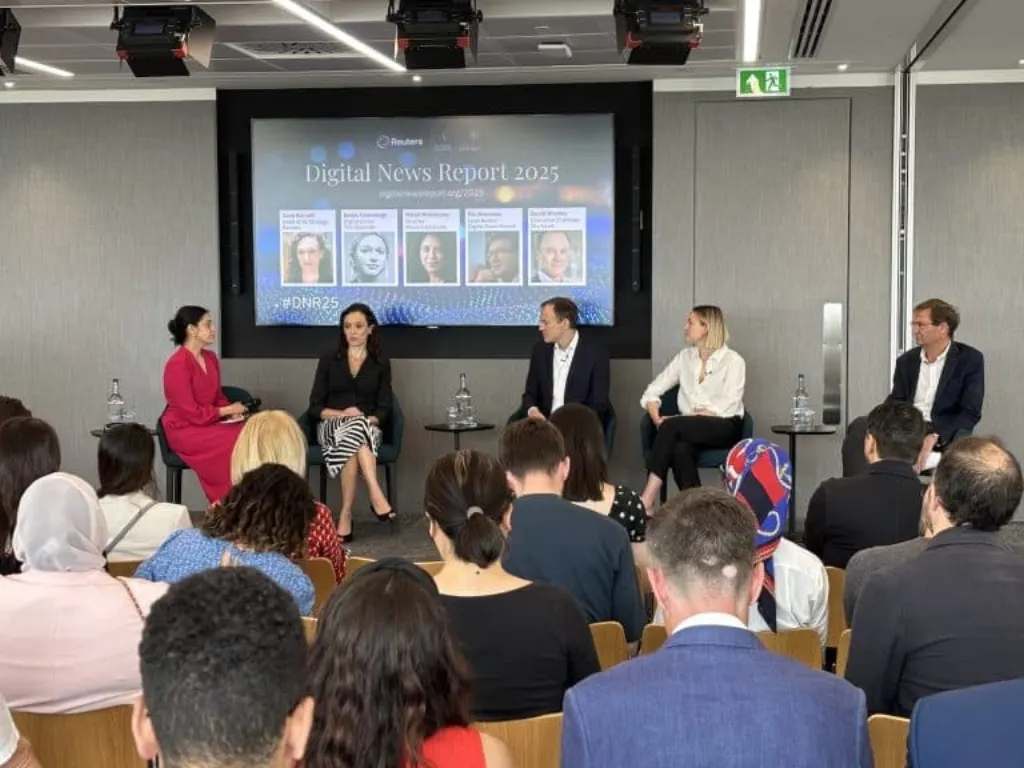
In a world where artificial intelligence is evolving at breakneck speed, it is essential to question the impact of this technology on our minds. ChatGPT, as an emblematic example of generative AI, raises questions about our critical thinking and creativity. To what extent are we willing to delegate our thoughts to a machine? Emerging studies reveal a worrying phenomenon: excessive use of these tools could lead our minds to cognitive atrophy, relegating our analytical skills and memory. Given this reality, it is crucial to understand how our thinking mechanisms are affected by this new digital era. As generative AI, particularly as embodied by ChatGPT, makes its way into our daily lives, it becomes essential to question its potential influence on our minds. This technology, which promises to lighten our intellectual tasks, raises a worrying question: are we sacrificing our critical thinking, our creativity, and our memory on the altar of convenience? Throughout this reflection, we will explore the deleterious effects of delegating our thinking to a machine, as well as the paradoxes it creates for our mental development.Cognitive Delegation: An Asset or a Trap? With the advent of generative AI tools, a worrying phenomenon is emerging: cognitive offloading. This term describes our tendency to gradually abandon some of our intellectual abilities in favor of technology. Should we really see progress when using tools like ChatGPT, or is it a fast track to cognitive atrophy? Concerns about this form of intellectual disempowerment are well-founded. AI as a Technology of ComfortIn a society where every action can now be automated, we find ourselves in a whirlwind of digital convenience. Calculators, GPS, and now, generative AI: each innovation seems to offer us the possibility of no longer exerting effort. However, this ease leads to unlearning, where each act of delegation to AI takes away a little of our mental autonomy. The risks of this dependence are real and deserve special attention.An alarming study: critical thinking in declineRecent research shows that the more we use AI tools, the more our critical thinking skills seem to erode. This disappearance is particularly felt among young people, who, hyper-connected, find themselves lacking in discernment. Despite some institutions attempting to reinstate more traditional teaching methods, the use of AI outside the classroom is transforming our way of thinking and making us more passive. Creativity Sidelined Each generation that turns to these tools risks seeing its imagination shrink. AI not only homogenizes responses, but also positions itself as a tool for standardizing creativity. By entrusting our stories and ideas to machines, we lose the ability to innovate, explore, and create new things—all for the convenience of a quick but shallow result. An Alarming Memory Loss By constantly delegating cognitive tasks to ChatGPT, our memory inevitably suffers. By simply reading the generated responses without following the mental path necessary to get there, we forget the steps, methods, and sometimes even the foundations of our knowledge. The tendency to become passive consumers of information instead of true thinkersis becoming a part of our daily lives. A balance to be foundIn this context, voices are being raised to defend a vision of AI as a tool that could potentially amplify our intelligence rather than erode it. The idea of distributed cognition suggests that if we know how to use it correctly, AI could free up our time for more complex tasks. The key lies in our ability to put our critical thinking skills back at the center of our interactions with technology, shaping a harmonious symbiosis between man and machine. The need for educational change Faced with the growing importance of AI, it is imperative to reconsider our educational methods. Because if we don’t train our young people to use these tools without becoming dependent on them, we risk causing them to lose fundamental knowledge. The goal should not only be to equip them for a technological future, but to instill in them the importance of intuition, doubt, discernment, and effort.
Instead of letting AI overtake our abilities, we must learn to coexist with it while preserving what makes us human, capable of creating, thinking, and judging. The road ahead has yet to be paved, and it is high time to assess the consequences of a world where, secure in our intellectual freedoms, we will ultimately choose what we wish to entrust to a machine. To go further, discover research on thebusiness approach to generative AI, the hallucinations of generative AI, and how this technology could be a productivity catalyst for our societies. Also explore how French Tech
is innovating in the face of these challenges, as well as questions about the
impact of AI on our planet and its resources.
/les-entreprises-repensent-elles-leur-approche-de-lia-generative/ /les-hallucinations-de-lia-generative-un-peril-insoupconne-a-surveiller/ /ia-generative-catalyseur-de-productivite-ou-defi-a-surmonter-pour-les-entreprises/ /lessor-de-lia-generative-comment-les-start-up-de-la-french-tech-sadaptent-et-innovent/ /lia-generative-un-progres-incontournable-ou-une-menace-pour-notre-planete-et-ses-ressources/
Notez cet article
Read next
 AI news
Excessive use of generative artificial intelligence: a risk for our critical thinking skills?
The rise of in the professional world invites reflection on its long term implications. While it promises rapid and…
 AI news
“Spectacular Advances”: The Revolutionary Impact of Generative AI in the War on Cancer
Recent advances in (AI) mark a major turning point in the fight against cancer, offering new treatment prospects. A…
 AI news
The Impact of Generative AI on the Evolution of Webcomics in South Korea
, the impact of generative AI on the evolution of webcomics is generating both fascination and concern. Far from simply…
 AI news
What are the regulations on generative AI in North America? Find out about the latest restrictions and their impact on your daily life!
is raising increasingly worrying questions in North America. The regulations governing this technology are evolving…